tag > Regenerative
-
Germany will require all petrol stations to provide electric car charging
Germany said it will oblige all petrol stations to offer electric car charging to help remove refuelling concerns and boost consumer demand for the vehicles as part of its 130 billion euro economic recovery plan.
-
Regen: Collaborative Co-production Of Upcycled Products
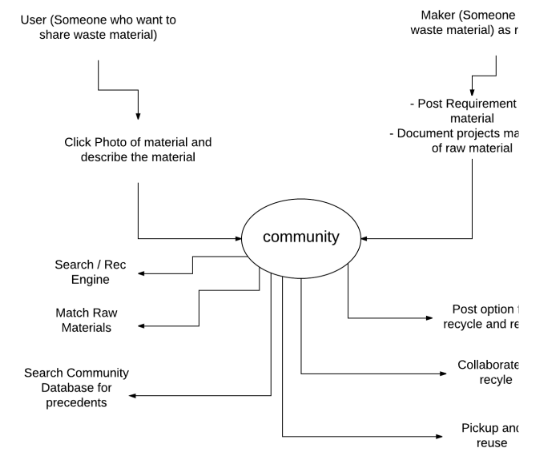
This paper attempts to look at sharing from three angles - community, environment and technology. Sharing is approached as co-production where what is shared is not simply material goods but rather ideas, creativity, pleasure and experience. The paper outlines making as an intrinsic attribute of human nature and how sharing and making can complement each other.
-
Here are some of the companies bringing food and groceries to homes in China
-
Millions of periodical cicadas to emerge in parts of US (BBC)

A 17-year periodical cicada up close After spending 17 years underground, millions of cicadas will be emerging in parts of the United States. Periodical cicadas are expected to come out in early summer across southwest Virginia, parts of North Carolina, and in West Virginia. The last time the cicadas emerged in many of those regions was in 2003 and 2004, though some areas saw an emergence in 2013. As many as 1.5 million of the insects can emerge per acre of land. While they are some of the longest-lived insects in the world, periodical cicadas spend almost their entire lives underground as what entomologists call "nymphs".
-
“Only the simplest & purest commodities are traded on markets, most value creation has nothing to do markets - it is largely generated by networks not markets. Thereby our value creation economy needs to be regulated to accelerate open networks not the illusion of markets.” (via)
-
The end of plastic? New plant-based bottles will degrade in a year (Guardian)

Beer and soft drinks could soon be sipped from “all-plant” bottles under new plans to turn sustainably grown crops into plastic in partnership with major beverage makers. The project has the backing of Carlsberg, Coca-Cola and Danone, which hope to secure the future of their bottled products by tackling the environmental damage caused by plastic pollution and a reliance on fossil fuels.
In time, Avantium plans to use plant sugars from sustainable sourced biowaste so that the rise of plant plastic does not affect the global food supply chain. -
What the Transition movement can teach us about how to ‘bounce forward’
“it’s hard to imagine what the future will look like, but for now, consumer demand for local products is exploding” - by @robintransition
-
Form Energy claims aqueous air battery provides 150 hours of storage
The holy grail of energy storage has always been low-cost and long-duration. Form Energy intends on deploying a 1 MW/150 MWh system with a Minnesota utility before 2023, an unprecedented energy storage duration if successful. The Breakthrough Energy Ventures net-zero fund chaired by Bill Gates is among the funders behind Form Energy.
-
Amid Pandemic, US Renewable Power Sources Have Topped Coal For 40 Days (reuters.com)
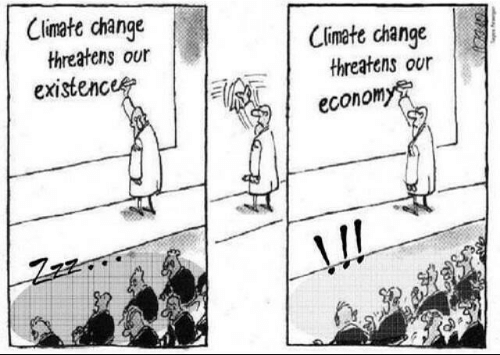
#Comment: A conspiracy theory, unlikely to be true but fun: World leaders (east and west, official and unofficial) looked at climate change trends and decided in unison that something drastic has to happen in order to swing the needle. They came up with a plan, based on complex socio-economic game-theory models: Start a global pandemic, partially based on selective bio-terror and mainly based on a massive global psyops campaign. The result? A signifiant global up-tick in climate relevant infrastructure & behaviour change.
-
Tesla has a new product: Autobidder, a step toward becoming an electric utility

Tesla aims to eventually become a massive distributed electric utility, and we’ve now learned of a new product, Autobidder. The idea is that Tesla would keep deploying more solar and energy storage systems, big and small, at the residential level and on utility-scale, and manage those distributed systems to act as a giant electric utility.
-
“The best time to plant a tree was 20 years ago. The second best time is now.” – Chinese Proverb
-
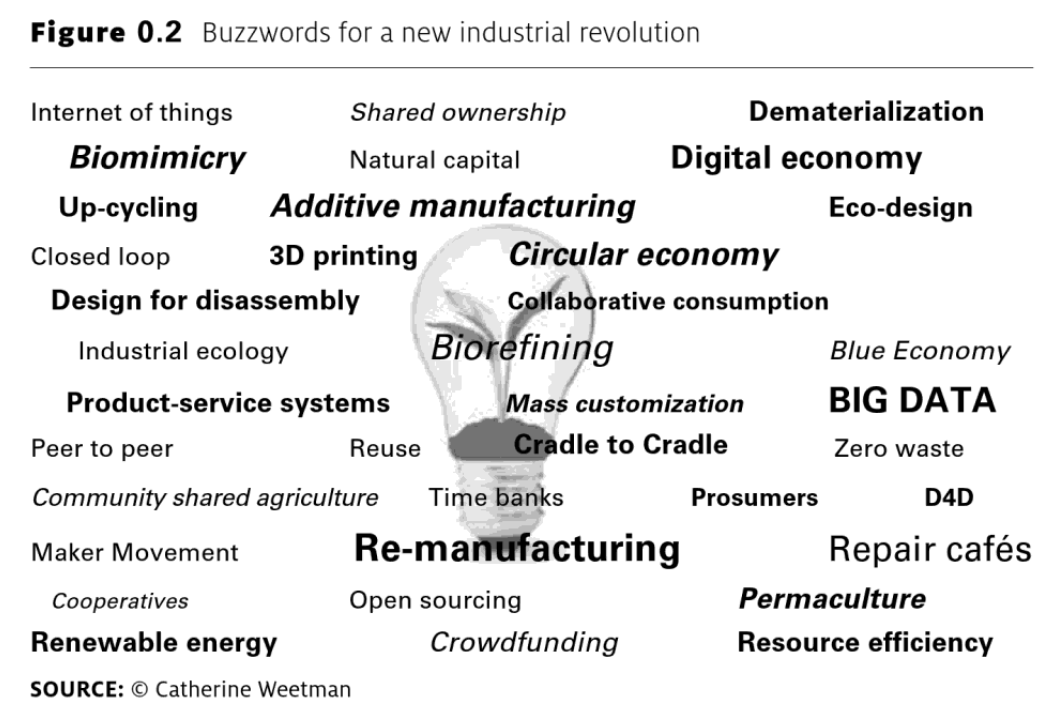
Buzzwords for a new Industrial Revolution - from the book "A Circular Economy Handbook for Business and Supply Chains: Repair, Remake"
-
Oil prices dip below zero as producers forced to pay to dispose of excess (Guardian)
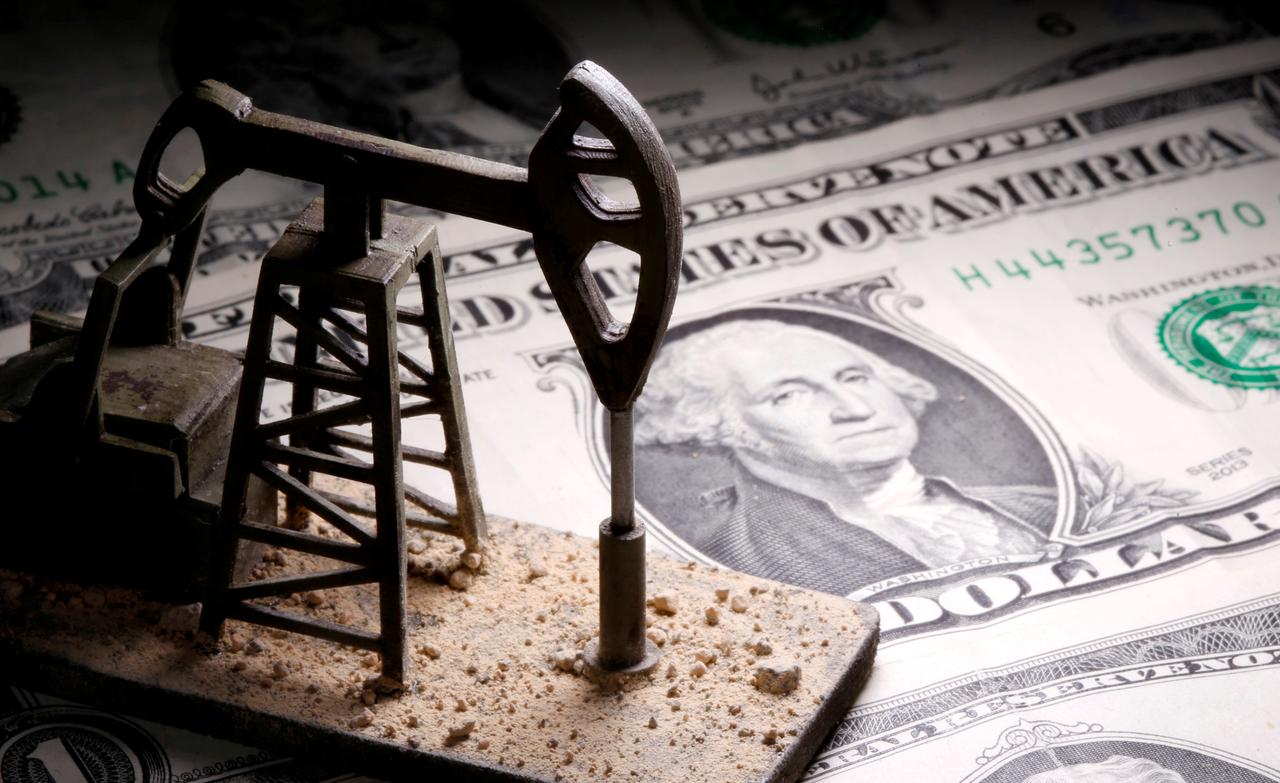
US crude fell to negative value for first time in history as stockpiles overwhelmed storage facilities, before rebounding to just over $1 on Tuesday
When oil became waste: a week of turmoil for crude, and more pain to come (Reuters)
The magnitude of how damaged the energy industry is came into full view on April 20 when the benchmark price of U.S. oil futures, which had never dropped below $10 a barrel in its nearly 40-year history, plunged to a previously unthinkable minus $38 a barrel.
As US Shale Oil Plunges, Trump Admin Takes Aim at Venezuela (Mintpress)
A confluence of factors suggests that such a Panama-style invasion of Venezuela is not only a possibility, but increasingly likely.
US crude prices tumble as world’s largest oil ETF backs out (FT)
West Texas Intermediate drops more than 27% one week after sub-zero dive
Russia Steals Chinese Oil Market Share From Saudi Arabia (oilprice.com)
China imported 31 percent more oil from Russia last month while its intake of Saudi crude slipped by 1.8 percent compared to March 2019, Reuters reported, citing calculations based on official customs data. Overall crude oil imports rose by 4.5% on the year to 9.68 million bpd.
How much is a barrel of oil worth? (resilient.org)
If you were an oil futures trader wanting to unload a May 1 contract on Monday, April 20, a barrel of oil was worth $-37. That’s right, traders were, in effect, willing to pay someone—anyone—to take ownership of a commodity that powers modern industrial society, and has suddenly become too abundant.
The Next Chapter of the Oil Crisis: The Industry Shuts Down (Yahoo Finance)
Negative oil prices, ships dawdling at sea with unwanted cargoes, and traders getting creative about where to stash oil. The next chapter in the oil crisis is now inevitable: great swathes of the petroleum industry are about to start shutting down.
Oil Slides After Crude ETFs Move Into Later-Dated Contracts (Yahoo Finance)
Oil fell after the biggest oil ETF said it would sell out of its June WTI futures position as physical oil storage levels continue to balloon.
-
Europe’s new jobless urged to pick fruit amid huge farm labour shortage (eco-business)
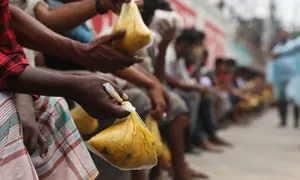
Farmers fear crops could be left to rot as coronavirus lockdown leaves them short of hundreds of thousands of seasonal labourers.
World Food Programme warns at least 30 million people could die of starvation during pandemic (theglobeandmail)
The head of the World Food Programme, who recently recovered from COVID-19, says at least 30 million people could die of starvation if the UN agency doesn’t receive critical funding needed to feed the world’s most vulnerable during the global pandemic.
Russia Halts Wheat Exports, Deepening Fears of Global Food Shortages (Time)
For the first time in a decade, the world risks being cut off from Russian wheat at a time when some key buyers are rushing to import it.
Coronavirus pandemic 'will cause famine of biblical proportions' (The Guardian)
Governments must act now to stop 265 million starving, warns World Food Programme boss
Coronavirus threatens to trigger new round of global food crisis: China official (wkzo)
The global coronavirus pandemic threatens to cause a huge shock to international food trade and trigger a new food crisis, a top agriculture official in China said on Monday. "The fast spreading global epidemic has brought huge uncertainty on international agriculture trade and markets," said Yu Kangzhen, China's deputy agriculture minister.
Pandemic alters – and threatens – supply chain for end users (resource-recycling)
As the coronavirus impacts continue throughout the U.S., manufacturers are highlighting the importance of curbside recycling as a feedstock supply channel. Meanwhile, processors are seeing changes in demand for their material as consumer spending shifts.
-
Pinduoduo to invest USD 7 billion in rural areas in next five years (kr-asia)
Over 240 million users have bought agricultural products on Pinduoduo last year, amounting to USD 19.3 billion in sales.
-
Milan announces ambitious scheme to reduce car use after lockdown (Guardian)

Milan is to introduce one of Europe’s most ambitious schemes reallocating street space from cars to cycling and walking, in response to the coronavirus crisis.
Paris To Create 650 Kilometers Of Post-Lockdown Cycleways (Forbes)
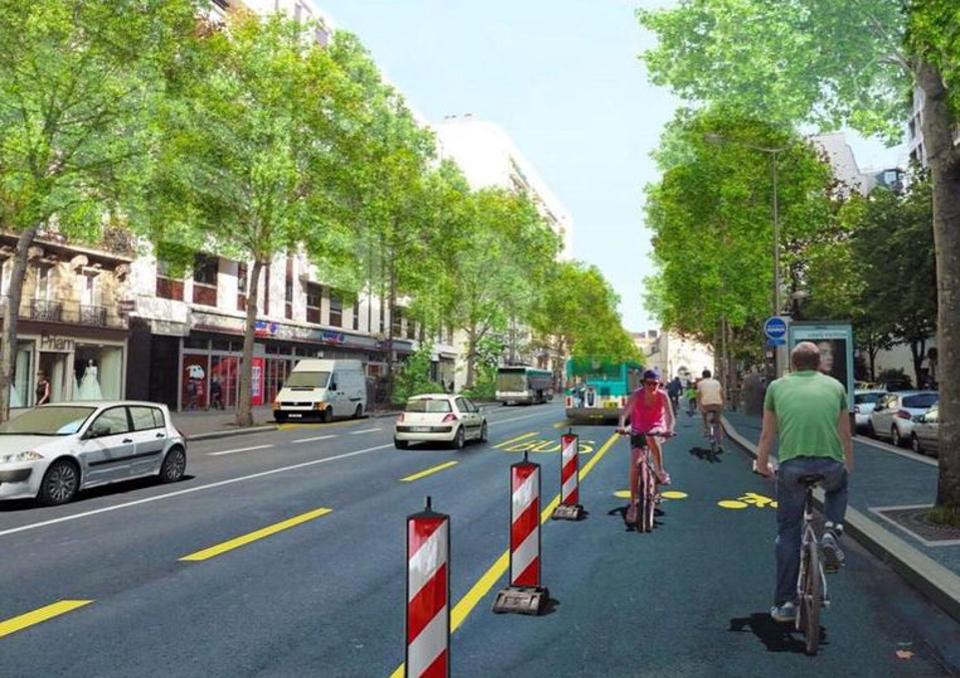
Paris is the latest global city to roll out emergency bike lanes for the use of key workers and others during the lockdown. 650 kilometers of cycleways—including a number of pop-up “corona cycleways”—will be readied for May 11 when lockdown is eased in France.
-
Deadly olive tree disease across Europe 'could cost billions' (BBC)
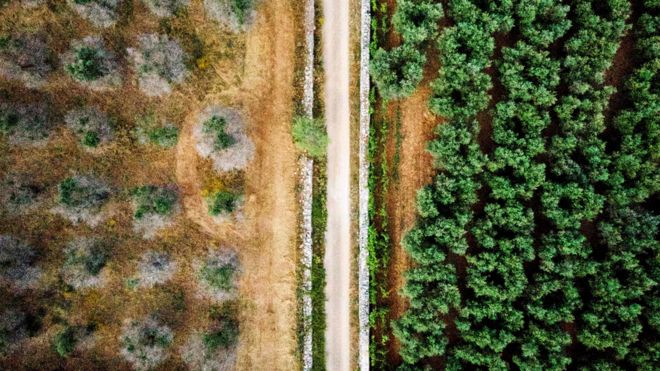
Researchers say the economic costs of a deadly pathogen affecting olive trees in Europe could run to over €20 billion. They've modelled the future worst impacts of the Xylella fastidiosa pathogen which has killed swathes of trees in Italy. Spread by insects, the bacterium now poses a potential threat to olive plantations in Spain and Greece. The disease could increase the costs of olive oil for consumers.