tag > Comment
-
Scientists Use Stems Cells From Frogs To Build First Living Robots (The Guardian)
Research Paper: A scalable pipeline for designing reconfigurable organisms - by Sam Kriegman, Douglas Blackiston, Michael Levin, and Josh Bongard (2020)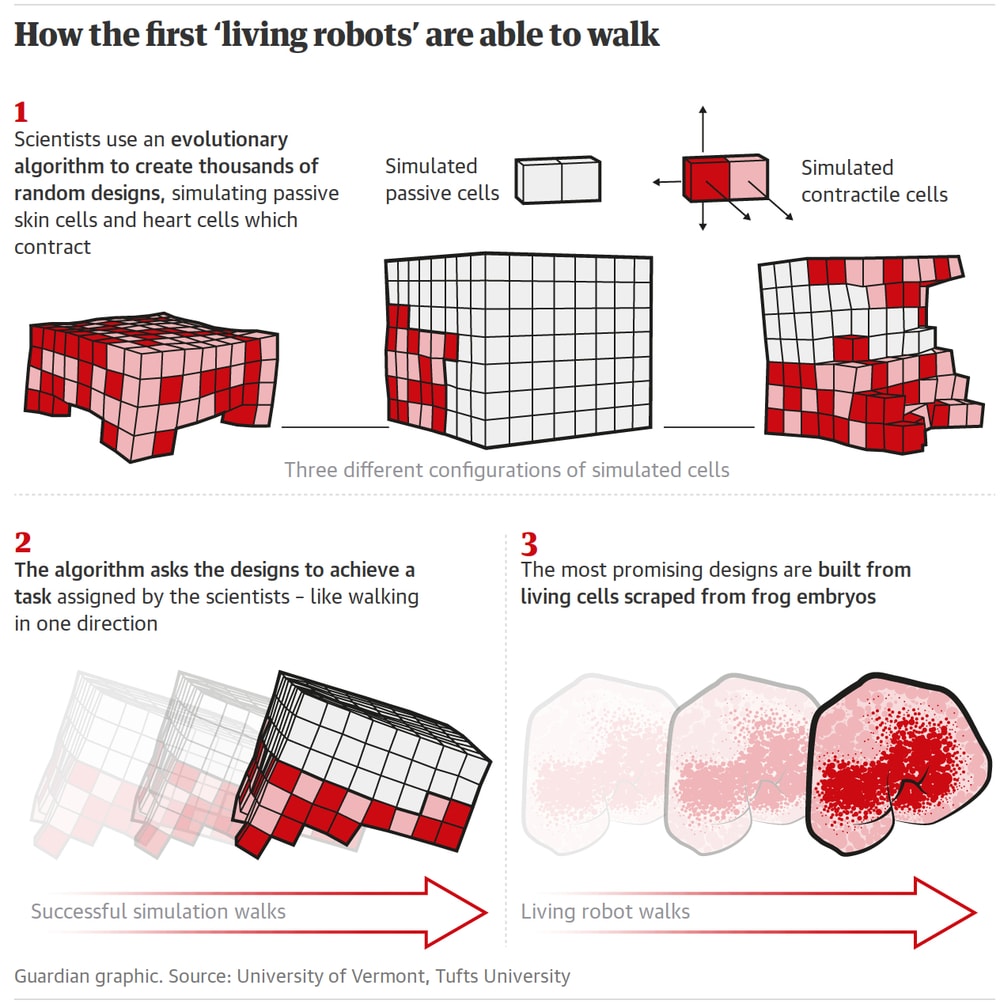
Abstract
: "Here we show a scalable pipeline for creating functional novel lifeforms: AI methods automatically design diverse candidate lifeforms in silico to perform some desired function, and transferable designs are then created using a cell-based construction toolkit to realize living systems with the predicted behaviors. Although some steps in this pipeline still require manual intervention, complete automation in future would pave the way to designing and deploying unique, bespoke living systems for a wide range of functions."
#Comment: Impressive research and ongoing work - congrats! But beyond the praises, please allow me to offer some critical reflections: As usual, the media (and researchers) is willingly mislabeling and exaggerating. Evolutionary Soft-robotics, ALife etc. are progressing, sure. But is this a "first living machine", as is loudly claimed in some of the articles about this work? Humans still lack a functional, semi-universal definition of what constitutes "living". Such questions are by and large still at the same stage, as when Schrödinger published "What Is Life?" in 1944. The reporting on this research contains many other such fantastical claims ("Xenobots SOON could be used to deliver medicine to humans" etc.), presented as hard science/engineering reality - even it clearly encompasses a manifold of unsolved hard problems and questions and is deep in fundamental research territory. More humbleness and restraint would serve all involved parties very well. It makes for good science and a robust public discourse, unlike the hype driven 15min-of-fame click-bait madness of today.
Related: My mini docu "Life": EP 1 on Artificial Life, and EP 2 on Neurorobotics
More media news clips feat. the research:
Computer-designed organisms - interview with Josh Bongard
Computer designed organisms. Aired on CNN Jan 19, 2020.
-
Researchers: Are we on the cusp of an ‘AI winter’? (BBC)
The article includes a #Comment by me: "The manifold of things which were lumped into the term "AI" will be recognised and discussed separately. What we called 'AI' or 'machine learning' during the past 10-20 years, will be seen as just yet another form of 'computation'" - Samim Winiger. #ML
-
AI-Written Articles Are Copyright-Protected, Rules Chinese Court (worldipreview)
Machines Are Learning To Write Poetry (newyorker)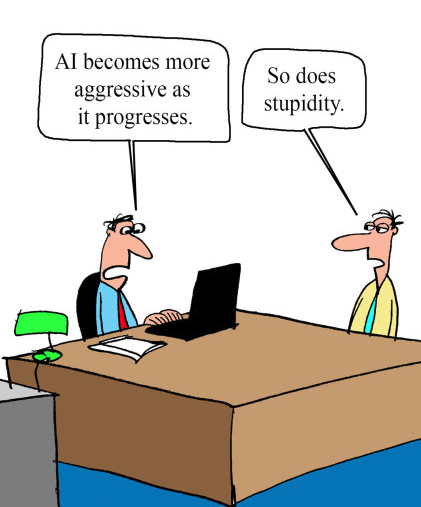
#Comment: The real test for "Creative A.I" capabilities, is if it can generate such highly advanced forms of bullshit, akin to what humans (authors, lawyers, bankers, artists, etc.) "thinking" and writing about A.I produce regularly. I doubt it...
-
Apple AirPods Make More Money Than Spotify, Twitter, Snapchat & Shopify Combined
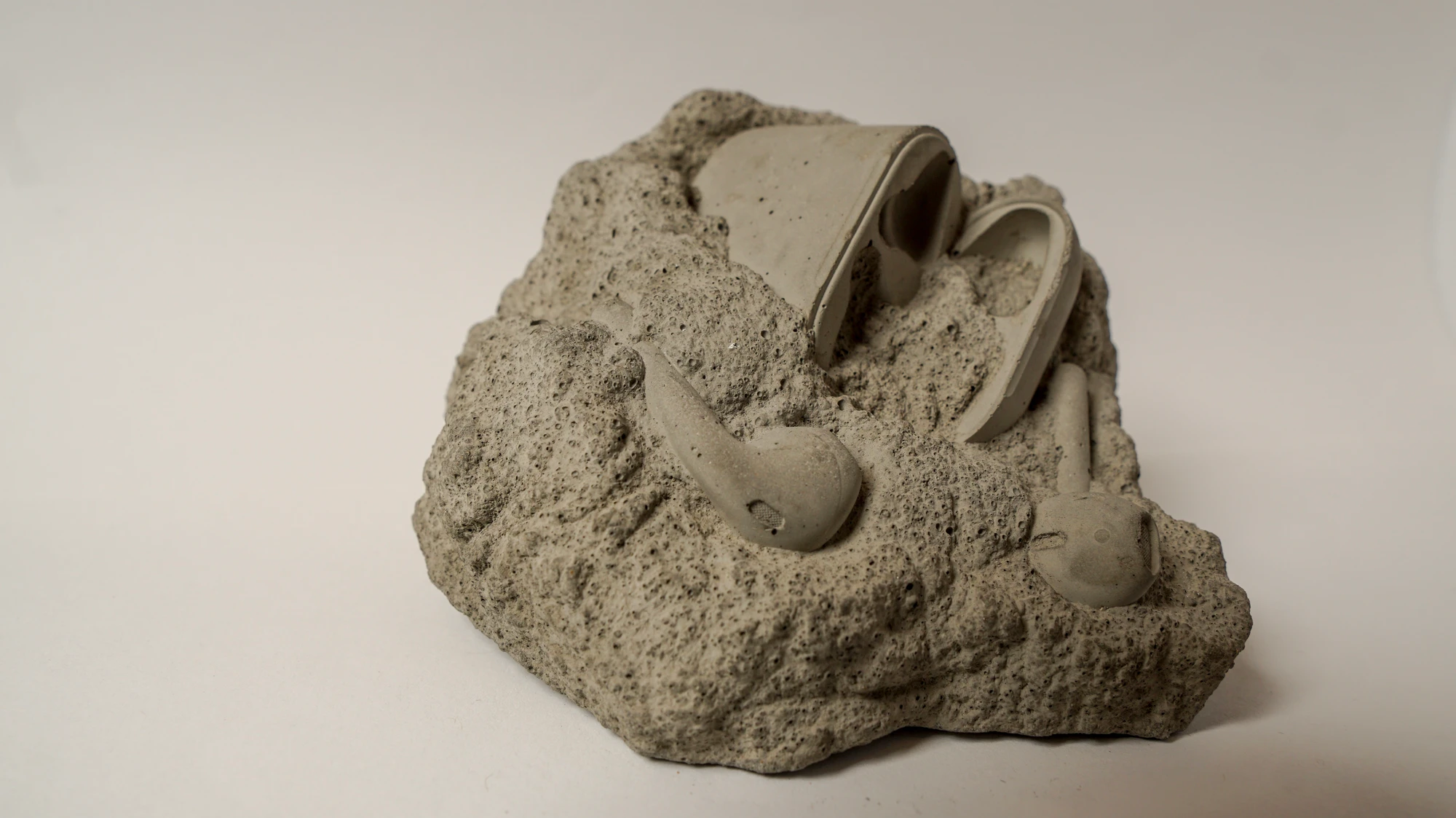
#Comment: Given that Apple's Airpods are an absolute environmental disaster (very short lifespan & many components are un-recyclable), this story is a wonderful illustration of the mechanics of late capitalism: the bigger the pollution, the bigger the profits. Future historians will come to see Apple & co as deeply regressive entities, ridding the tail-end of collapsing mass-consumerism culture.
-
Moms’ Obesity in Pregnancy Is Linked to Lag in Sons’ Development and IQ (Columbia)
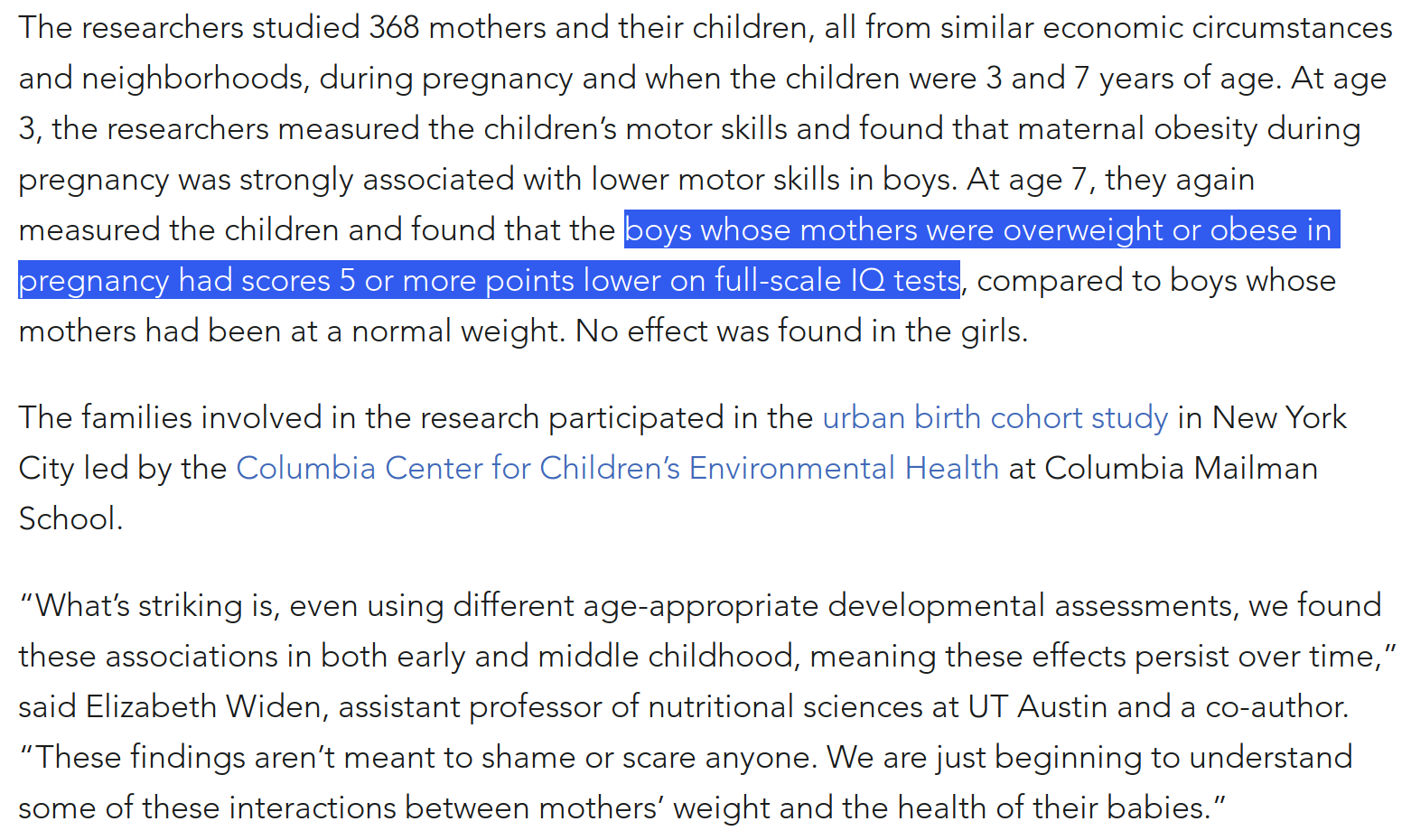
#Comment: Yet another finding showing how obesity (a recent evolutionary occurrence) is horrible for all aspects of individual & societal health. How long until obese people have to pay higher insurance premiums, akin to what smokers? A pressing topic, given that modifiable lifestyle practices now account for some 80% of premature mortality.
-
CERN switches from Microsoft to Open Source Software (2019) (news reports).

#Comment: That CERN was using Microsoft to conduct their "cutting edge science", is pure brain-dead #Comedy gold. Remember this and smile, the next time they announce "a groundbreaking discovery", release an esoteric advertising video or perform exotic rituals.
-
U.S. government limits exports of artificial intelligence software (Reuters)
"The Trump administration took measures to crimp exports of artificial intelligence software as part of a bid to keep sensitive technologies out of the hands of rival powers like China. Under a new rule, companies that export certain types of geospatial imagery software from the US must apply for a license to send it overseas."
#Comment: Does this mean no more Tensorflow and Pytorch in China (and in a rapidly growing list of countries the US empire does no like)? How do they define "AI"? Truly comedic move, just as open-access science is becoming the norm in EU & China.
-
Chinese banker who embezzled US$108 million handed suspended death sentence
SCMP: "Ex-Chairman of Hengfeng Bank, Jiang Xiyun was convicted for moving 754 million yuan ($108 million) worth of Hangfeng shares to his personal account between 2008 & 2013. He also took bribes of more than 60m yuan together with another bank executive. Jiang had ordered others to destroy records for over 600 million yuan of transactions. Hengfeng Bank received about $14 billion bailout package. A reprieved death sentence may be commuted to a life sentence if the person shows good behavior within the allotted period." (alt: bloomberg)
#Comment: When is the last time one of the (many) super corrupt and criminal bankers in western countries had to go to jail or face justice? Probably zero times in the past 40 years?
Chinese scientist He Jiankui involved in gene-edited babies jailed for 3 years
SCMP: "Chinese scientist He Jiankui, who created the world’s first “gene-edited” babies, has been sentenced to three years in prison and fined 3 million yuan (US$430,000). He, along with two others named Zhang Renli and Qin Jinzhou, was convicted by a Shenzhen court on Monday on charges related to the “illegally carrying out human embryo gene-editing intended for reproduction”, which led to the births of three genetically edited babies, according to state news agency Xinhua."
#Comment: What message does jailing a single scientists ("bad sheep") send, in a time when Synthetic Life ("Internet of Life" as one Chinese initiative is called) is entering the hot period?
-
Reflections on Temporarily
The "A Bifurcation called 2016" video by Mihai Nadin provoked a #Comment on time:
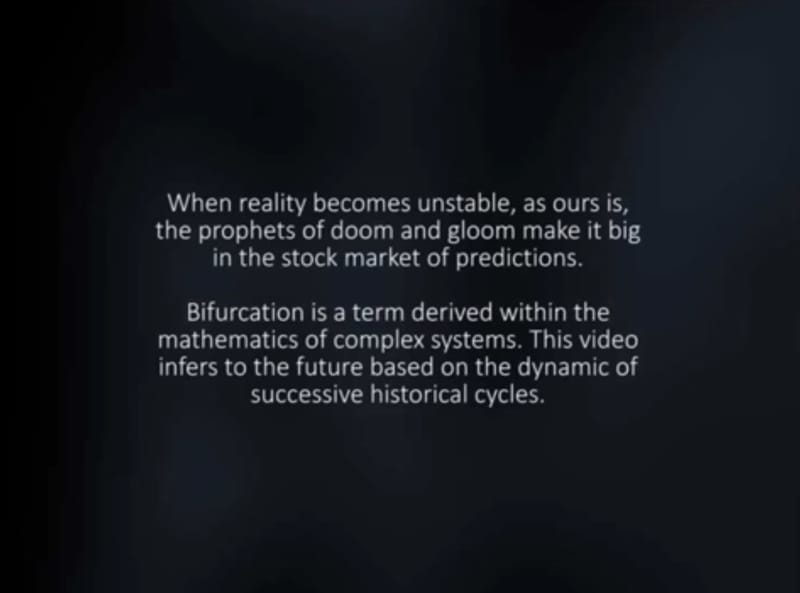
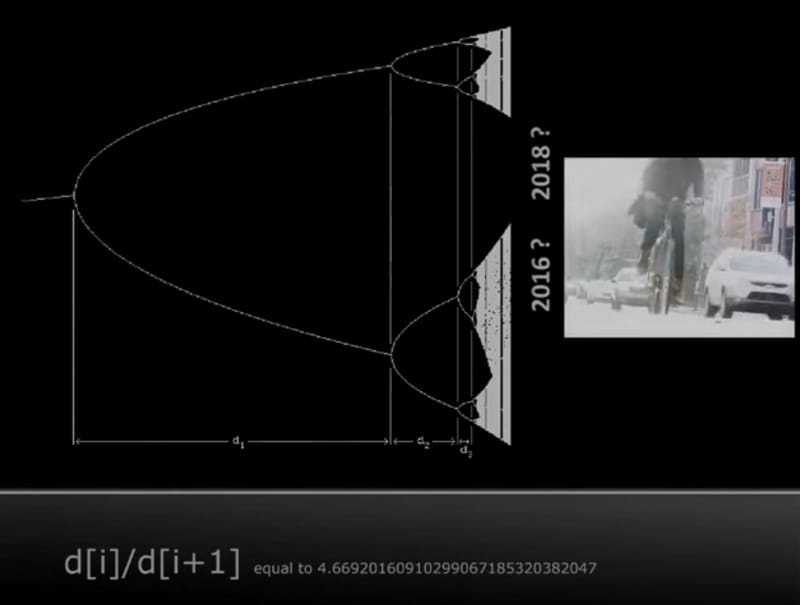
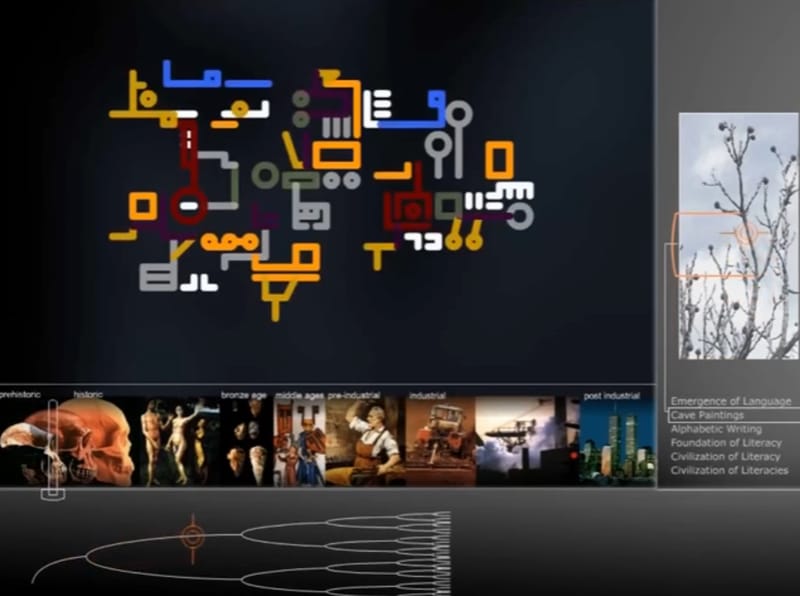
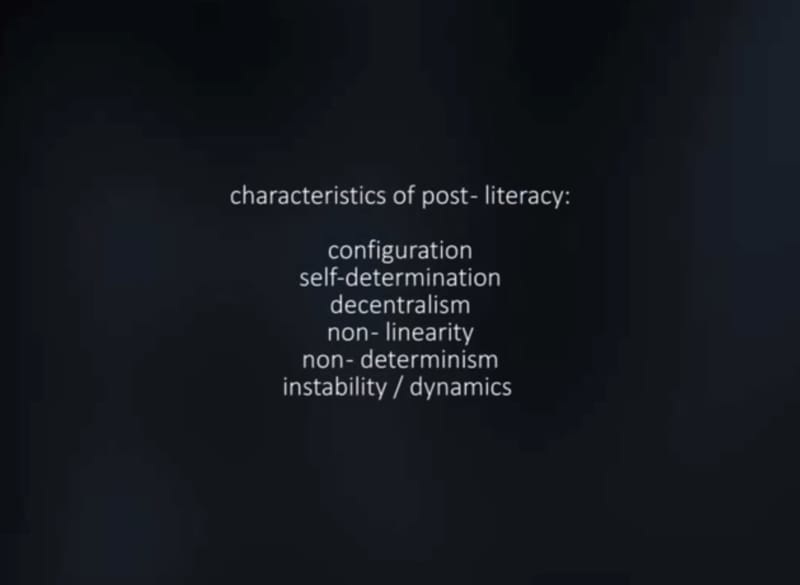
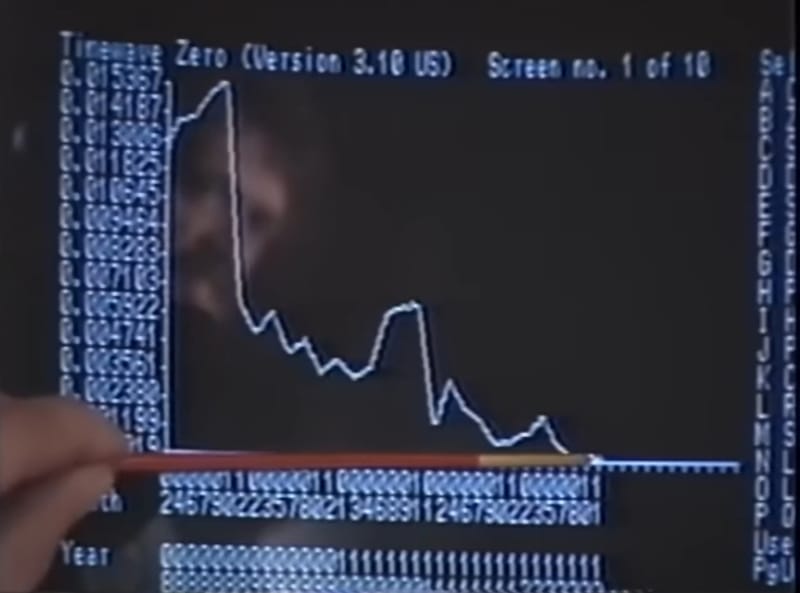
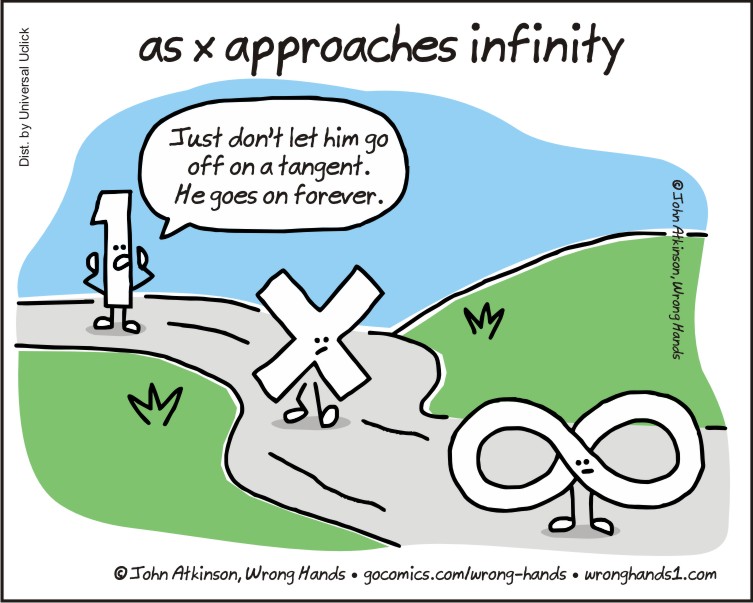
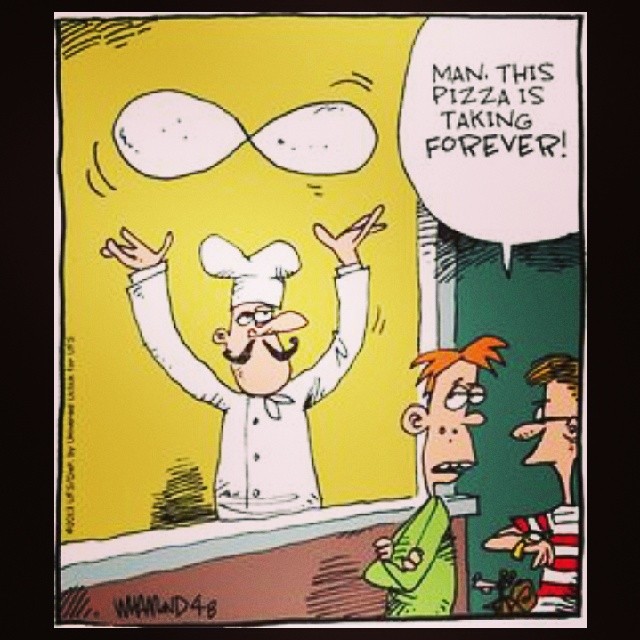
Mihai Nadin's entertaining 'bifurcation' model/theory is somewhat related to Terence McKenna's "Timewave Zero". I find it peculiar, that in all such "models of accelerating time/change" the critical singularity event is predicted to happen ("accidentally / conveniently") presciently during the life-time (or end of life, akin to the christian "armageddon") of the person stating the theory. Temporarily is the ultimate magic trick: As scientifically/objectively hardly approachable, it firmly is in the domain of the political, subjective and comedic. Paul Virilio's essay "Speed And Politics" on "Dromology" is an interesting read in this context. Within infinity, the distance from contemporary complex "Theories of Change" to ancient "Book of Changes" (I Ching) , is the same as the square root of negative one: Imaginary.
Terence McKenna - Timewave Zero:
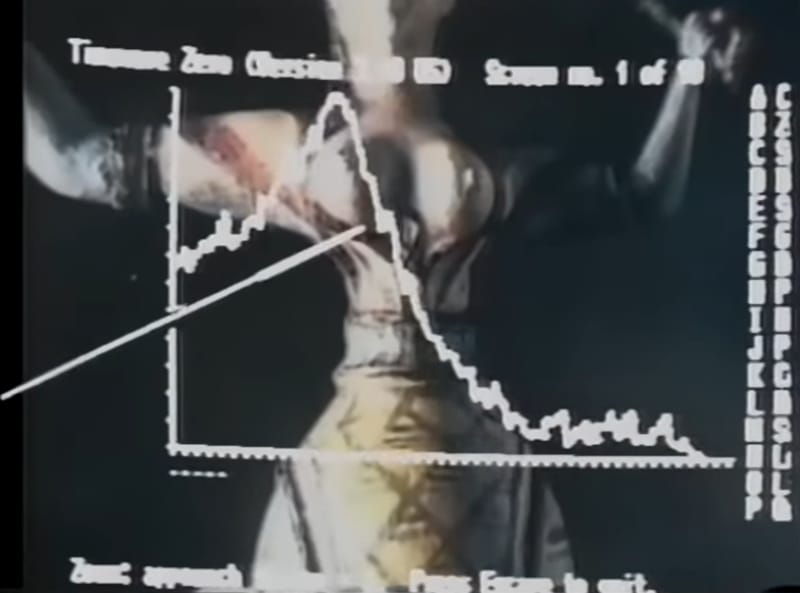
A far more pronounced example of the "acceleration fallacy" (almost bordering on the brute-force senseless & pointless speed-cult of Ray Kurzweil & co.) can be found in the following talk:
"Sense-Making in our Post AlphaGo World" - by John Seely Brown
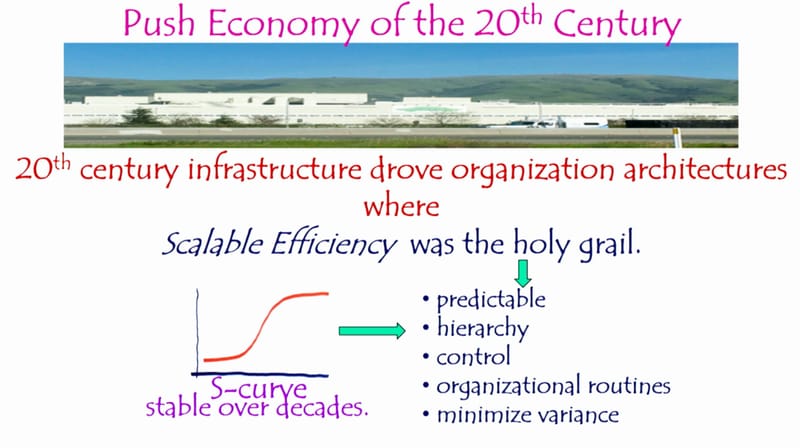
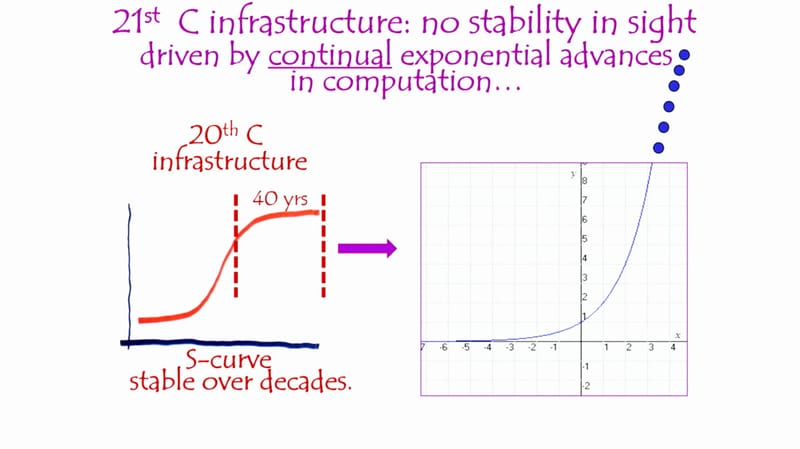
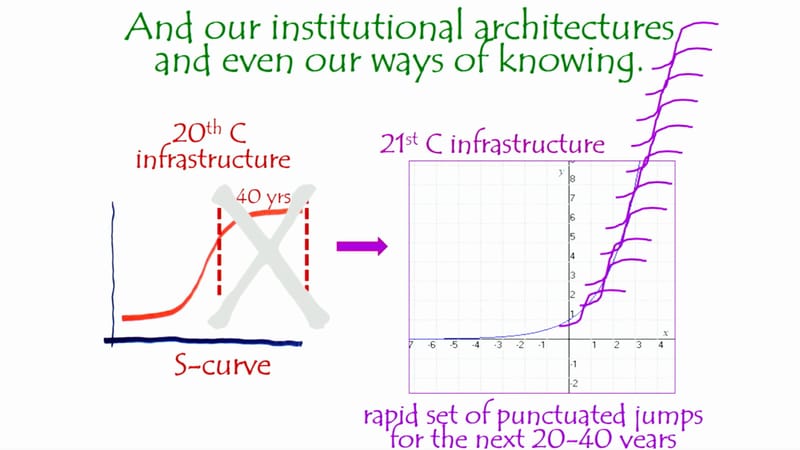
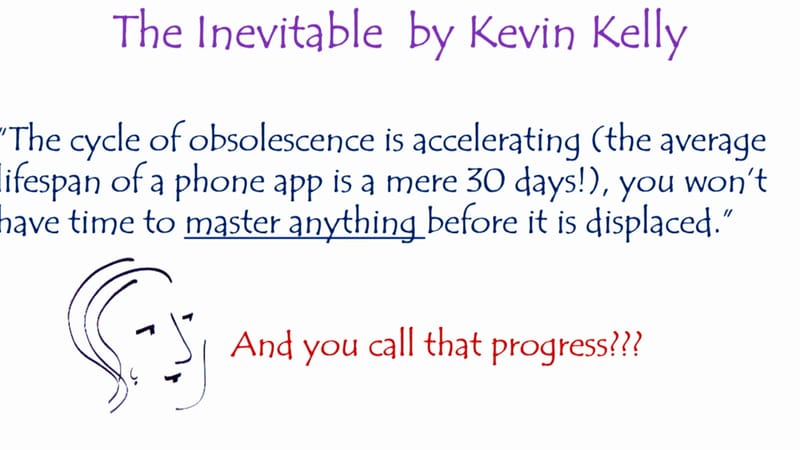
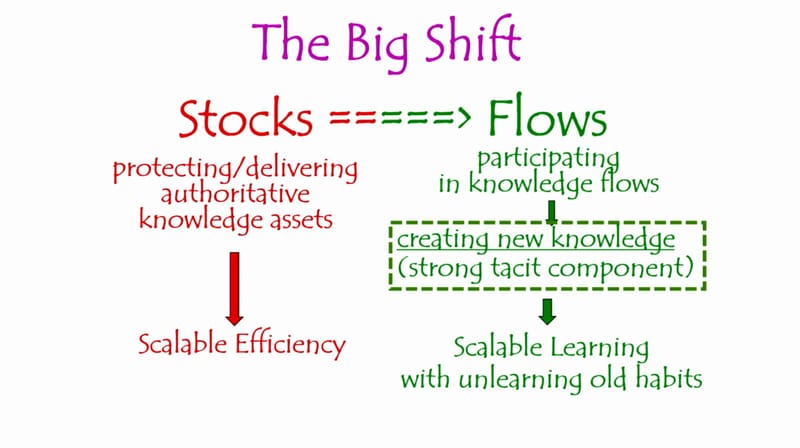
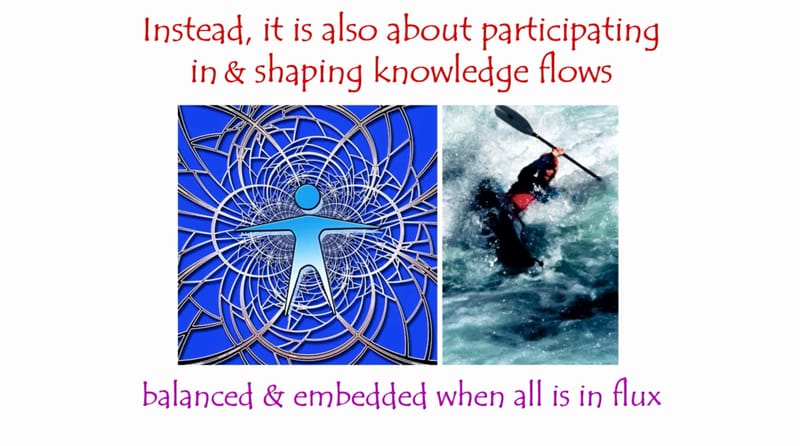
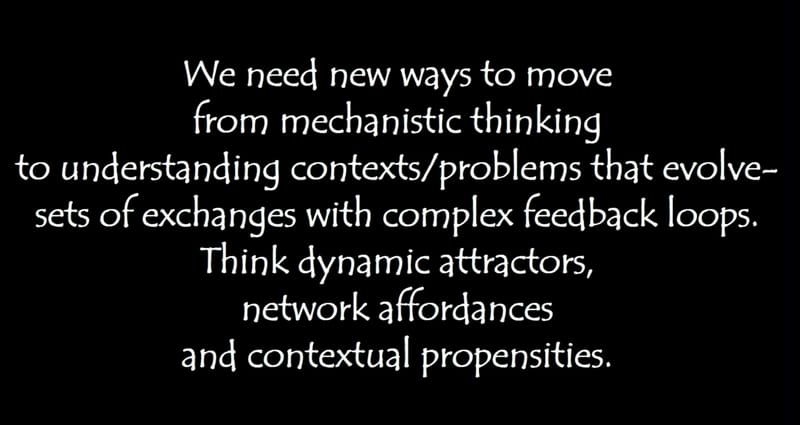
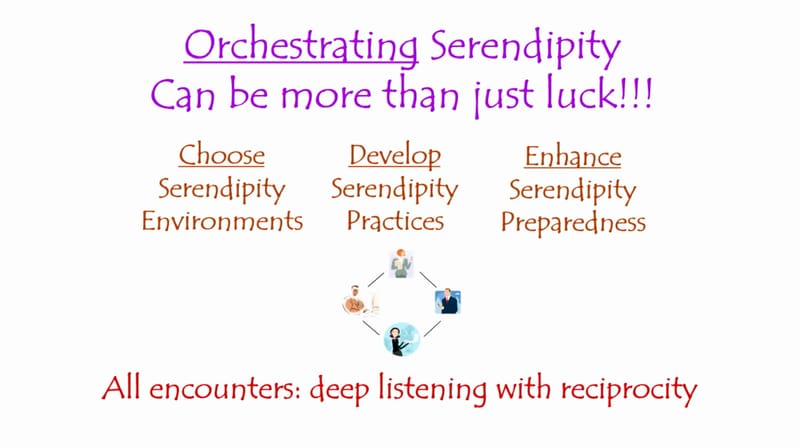
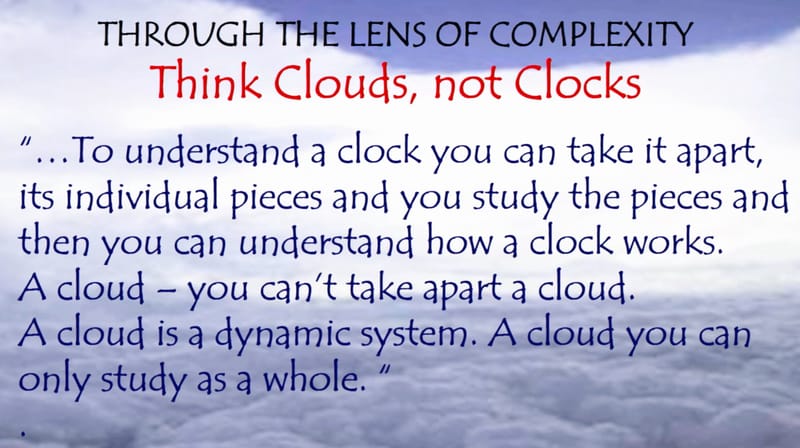

Directional/Qualitative/Evolutionary views on temporarily are very wide spread. See the following on A.E.Whitehead's views:"He then observes that the mark of higher forms of life is that they are actively engaged in modifying their environment, an activity which he theorizes is directed toward the three-fold goal of living, living well, and living better. In other words, Whitehead sees life as directed toward the purpose of increasing its own satisfaction. Without such a goal, he sees the rise of life as totally unintelligible.
"
The root of such "models of accelerating/progressing time/change" is essentially the illusive notion of the Afterlife (in Christianity, Islam, etc.), Enlightenment (in Buddhism, etc.) or more generally "the other" which "we are racing towards". It is truly peculiar, how this narrative tempted and confused thinkers across all ages, right up to the present day (the cult of optimization and objective functions in artificial intelligence, etc.). Isaac Asimov's "The Last Question" short story eloquently explores the nonsensical nature of of such narratives.

Interesting alternative perspective on temporarily ("non-directional", "static", etc.) can be found in Japanese Shintoism or Soto Zen, where practitioners do not actively seek Enlightenment, but rather seek to fully experience every moment; that is, to be acutely aware of every action in the here and now. As Zen Master Taisen Deshimaru once said, "Zazen has no object, it is purposeless, it only brings us back to ourselves." One doesn't need to worry about Satori. Or in other words: Stop trying to understand. There is nothing to compute. There is nothing to discover. This is it, here and now.
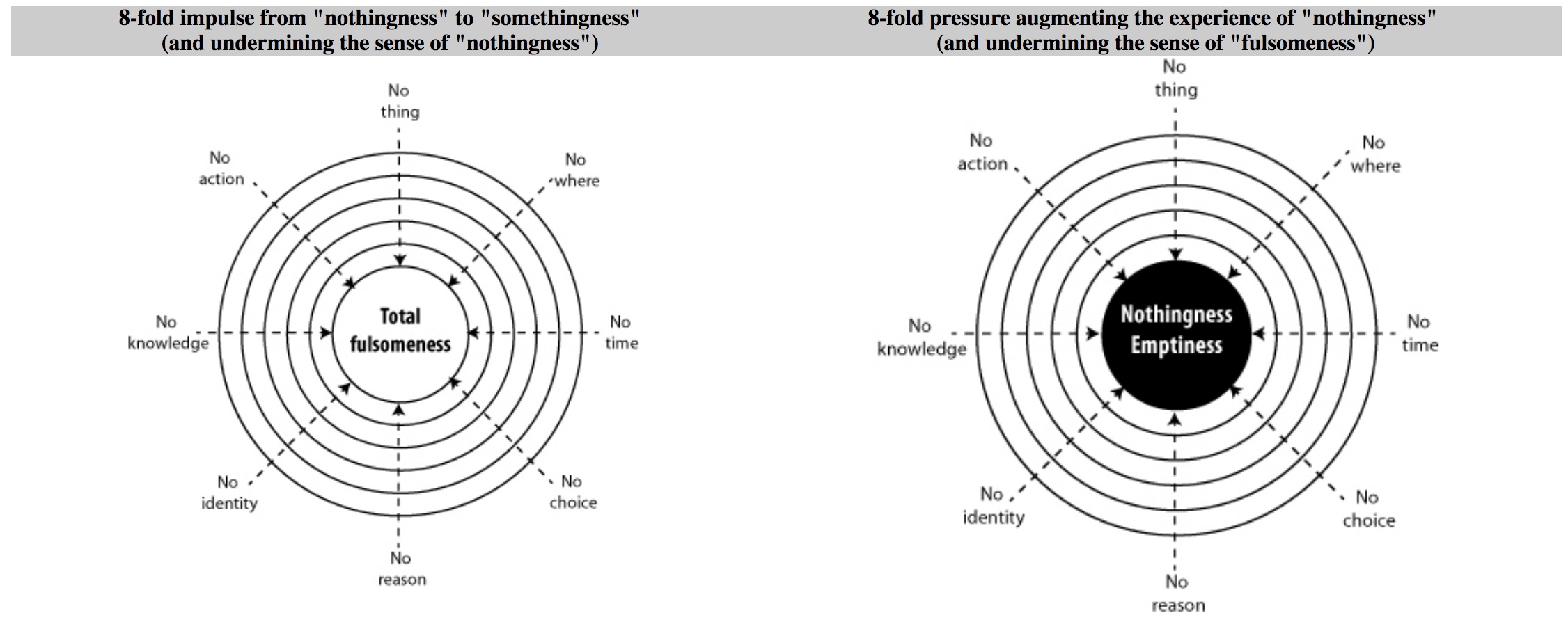
Finally, consider the following quote for a perhaps more relaxed and fun perspective on temporarily:
“In conclusion, there is no conclusion. Things will go on as they always have, getting weirder all the time.” ― Robert Anton Wilson

-
Paranormal and Qiqong frenzy in China: Collection of texts & links

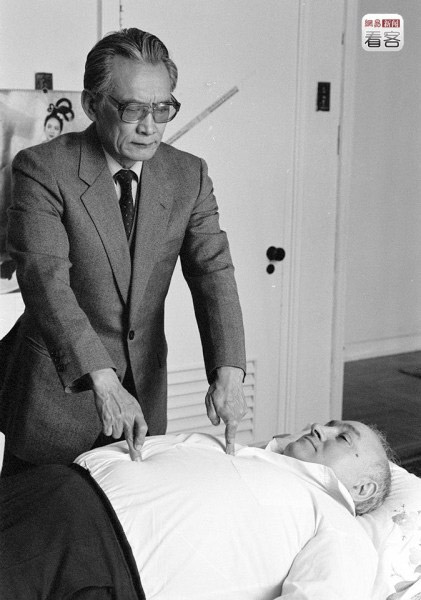
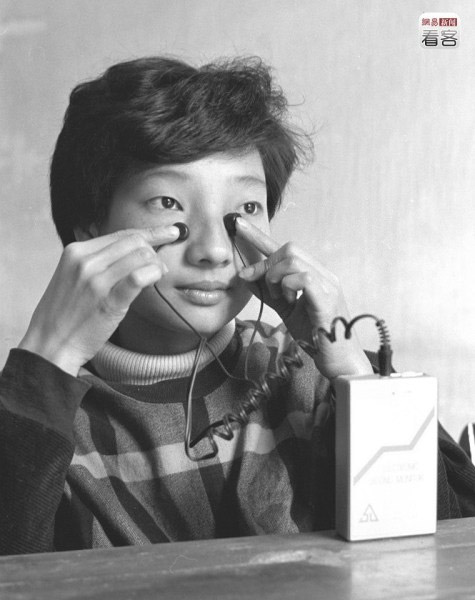
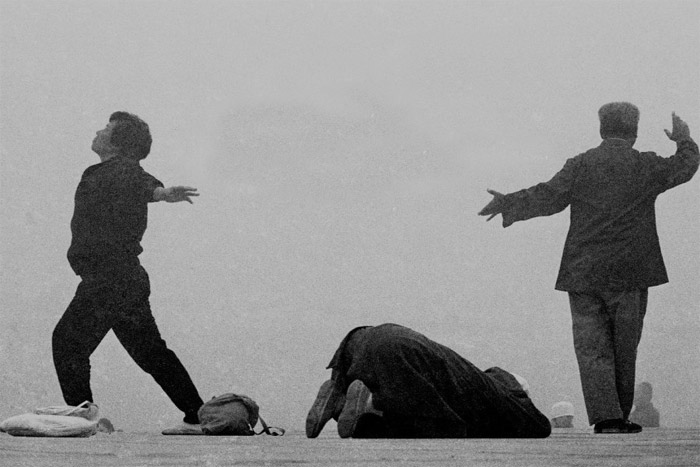
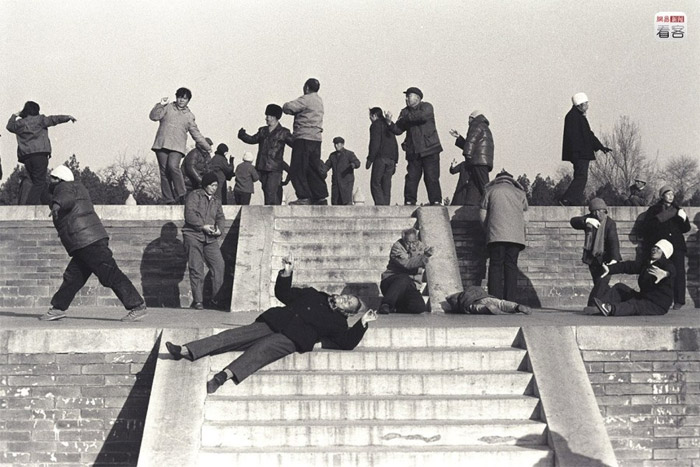
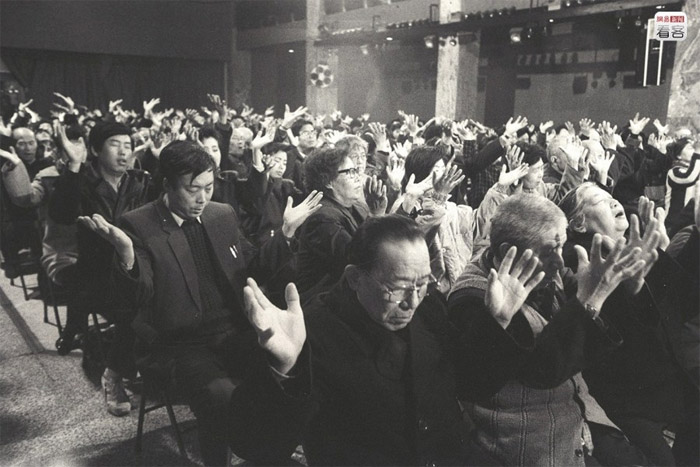
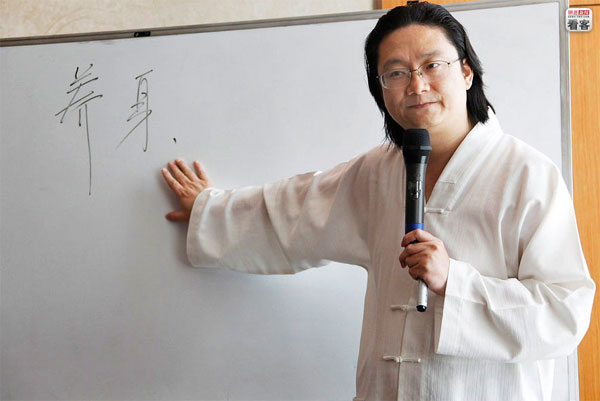



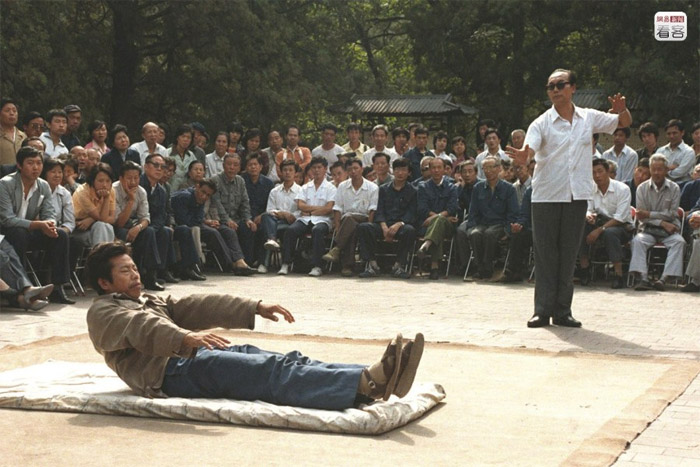
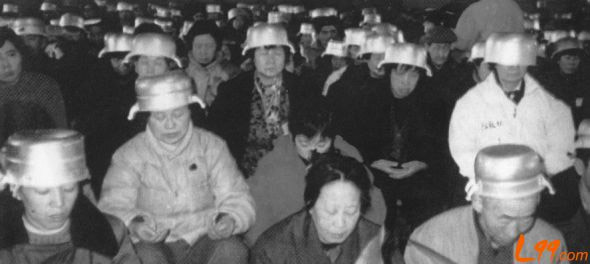
Rise and fall of the QiGong frenzy in China: when superstition and science collide - by Matteo Damiani (2014, china-underground)
"After the fall of the Gang of Four, Qigong represented an opportunity for China to find a cultural identity tested by the disastrous consequences of the Cultural Revolution that erased an entire cultural and relationships system. Looking for its own way to modernization, China took a shortcut to scientific progress by mixing weird science and superstition, with grotesque and devastating consequences in the long run."
Paranormal in China - by Wu Xianghong (1995, skepticalinquirer)
Excerpt: "At the same time, the research into Qi Gong was also booming. New ways of performing Qi Gong were found, such as projecting the Qi out of the sender’s body, through the air, and finally into the body of receivers. These methods were investigated with “scientific” apparatus, including infrared detectors and radiometers. It has been reported since 1984 that Qi Gong could activate the potential SA (“special ability”) in people. In 1985, Zhang Hongbao, a master of Qi Gong, proposed the theory of a “cosmic field”; that the energy accounting for both Qi Gong and SA were generated out of and transferred through the “cosmic field” and therefore Qi Gong and SA were unified. Zhang believed that everyone could get SA by training in Qi Gong and that those who had SA but did not know Qi Gong could be taught it. Henceforth, all those who were engaged in the paranormal named themselves “Master of Qi Gong.” Millions of people began to train in Qi Gong, including the youth. The main goal was usually not to heal diseases and improve health, but to get SA and be a “superman.”
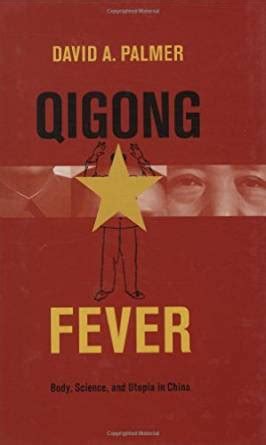
#Book: Qigong Fever: Body, Science, & Utopia in China - by David A. Palmer (2007)
"In this absorbing and revealing book, David A. Palmer relies on a combination of historical, anthropological, and sociological perspectives to describe the spread of the qigong craze and its reflection of key trends that have shaped China since 1949, including the search for a national identity and an emphasis on the absolute authority of science. Qigong offered the promise of an all-powerful technology of the body rooted in the mysteries of Chinese culture. However, after 1995 the scientific underpinnings of qigong came under attack, its leaders were denounced as charlatans, and its networks of followers, notably Falungong, were suppressed as 'evil cults.'"
Zhang Hongbao (1954 - 2006, died in a vehicle "accident" in Arizona/USA) is a fascinating character, which makes the explosive power of Cult "PK-Politics" in communist china clear:

"In 1987, he founded Zhong Gong. Zhang gave two-week-long Qigong workshops which received national coverage in the People's Daily. Among the over a thousand people who participated were prominent academics such as the President of Beijing University, who were reportedly able to capture and emit Qi. Having won over the academic community, Zhang also gained acceptance within the China Academy of Science, and other sections of the scientific community. Furthermore, he became a media celebrity after one workshop was featured in a three-minute news segment on CCTV. He also gained credibility within the media and political elites. The movement claimed 34 million followers, 120,000 employees, 30 life cultivation bases, and 100,000 "branches" at its peak.
Zhong Gong Beliefs and teachings:
"Zhang developed a style of Qigong which was based on automation, physics, relativity, bionics, and with distinctive use of mechanical engineering jargon"
.
"Zhong Gong is based on the Qilin culture (麒麟文化) created by Zhang in 1987 which He (2000) states is "an obvious challenge to Marxism and the CCP's one-party rule". According to Zhang's 'spirit-matter dialectics', both spirit and matter both have objective existence and can transform into the other under certain circumstances. In 1992, based on the ancient theories of yin and yang, Zhang extrapolated his universal law of motion according to which all objects or matter can subdivide into 'Yin' or 'Yang', predicting anything or act which contravened it would bring eventual disaster. He asserted Marxist property right theory and the derived Communist Party aim to eliminate private property were in conflict with his laws. In 1993, Zhang advanced his theories of 'promotion-restriction-inhibition-transformation' derived from the Five elements. In 1998, Zhang put forward a moral code which he referred to as "eight virtues and eight calls".[4]Cultural Context:
"However, Qi Gong staged a comeback in a different form after 1992, as a trend of thought instead of a practical movement. In this way it has much to do with the revival of the paranormal in traditional Chinese culture. The renaissance of traditional culture began in 1989, when the government found it useful as an ideological weapon to fight against Western-style liberalism. Moreover, it seemed to be a hopeful alternative to orthodox Marxism as an ideology to join people’s viewpoints with feelings.
In the 1990s, as China accepts the market system step by step, the public media plays more and more important roles in the spread of pseudoscience, and cases of pseudoscience increase in the area of business. The Chinese people haven’t developed the necessary skeptical view of advertising, and the lack of related laws provide cunning businessmen with an open field. Until November 1994 China didn’t have a law for truth in advertising. The public media abounded with fraudulent advertisements.
Related:
"Only a real hero can goes along with no sword on. In 1999, directed the first national political action protesting the national political persecution in CCP ruled Chinese history. In 1999, continental China experienced another Cultural Revolution. Just by one order from Jiang Zemin, almost a billion Chinese who practice meditation became the target for persecution.
This year, CCP government lay down complete blockade and rounded up Fa Lun Gong and Zhonggong for the kill.
The only difference in the ways CCP treated Fa Lun Gong and Zhonggong is, it only kills but doesn¡¯t talk about the kill to Zhonggong.
"
Declassified CIA report from 1990 about Qigong cult prosecution start.
Video: Jack Ma talks about Tai Chi Chuan and applying it into life and business.
#Comment: Jack Ma - the world's 20th Richest Person, chairman of Alibaba Group, Kung fu master - is frequently directly associated with prominent Chinese cult-type "Qigong" etc. spiritual movements and its leaders (that get banned by the government)
Documentary on Qigong in the 1990s in China:
"Qigong Documentary Overview by Francesco Garri Garripoli "Here is a copy of the entire "Paranormal in China" article, for future backup:
Paranormal in China - by Wu Xianghong
From: Skeptical Briefs Volume 5.1 - March 1, 1995
Every evening in an open area furnished with several pine trees, I wander from the new library of our university. I see a group of old people, standing swaying, and rocking in time with the rhythm of Chinese classical music, coming out from a shabby loud speaker hanging from one of the branches. They are performing the Qi Gong, an ancient Chinese exercise, revived in the early 1980s, that supposedly advances one’s ability to gather and utilize the “energy” or “force” of the universe.
Now there are hundreds of types of Qi Gong: some only need meditation and others require body motion to music. They are popular among Chinese who wish to improve their health and cure their diseases. It is hard to say if anyone has restored his health by performing Qi Gong; while it is also hard to say if Qi Gong is completely ineffective if accompanied by orthodox treatment. Deep breathing, self-controlled meditation, and little movement, which are usually involved in performing Qi Gong, are not harmful.
The cult of Qi Gong, however, is not based on its effectiveness in health care. The “spirit balance” it gives and the quasi-religious mood involved in performing Qi Gong partly accounts for its popularity. Old people may perform it because they have no better ways to spend their time. Around 1985, Qi Gong began to closely connect with another cult—the cult of “special ability”—and each reinforced the popularity of the other.
The phenomenon of SA was first reported in 1978, when the political group headed by Mao’s widow lost its power, and Deng Xiaoping was reinstated and began to advocate the movement to “love, learn and utilize science” in China. This science movement quickly met the needs that the majority of Chinese, including some scholars had. They had forgotten what the rigorous demarcation line of empirical science was. In articles published in many scientific magazines and journals, the coming 21st century was portrayed as a utopian, entirely automated world. The research of UFOs and ETs was regarded as an advanced area of science. Scientific spirit was understood as “to doubt every idea you believe in and to believe in the raw materials you see with your eyes.” This attitude I’d like to name as the “materialist” view on science. (It is not even a Marxist view because Engels disagreed. He believed that observation should be guided by theory, and that idea was quite popular among the scientists and philosophers.)
It was in such a context that the public media reported finding some children who could identify human character by outward appearance—ear, forehead, and nose—and called it “special ability” (SA). The word “special” (Teyi in Chinese) means something a bit different from “paranormal,” the word my American colleagues prefer to use.
The “materialist” scientists believed that SA was not a transcendent phenomenon, but an empirical phenomenon outside of the existing scientific knowledge that could explain and predict; that it could be and should be studied by “scientific method.” In this way the existing laws and theories of scientific knowledge might be challenged and revised. Perhaps it is better to translate the concept of SA as “exceptional ability.”
Although there were some disagreements, the research into SA was booming. More cases were reported and the field expanded to include perception and PK—the ability to bend iron wire in a sealed test tube, or remove pills from a sealed bottle. At the same time, the research into Qi Gong was also booming. New ways of performing Qi Gong were found, such as projecting the Qi out of the sender’s body, through the air, and finally into the body of receivers. These methods were investigated with “scientific” apparatus, including infrared detectors and radiometers. It has been reported since 1984 that Qi Gong could activate the potential SA in people. In 1985, Zhang Hongbao, a master of Qi Gong, proposed the theory of a “cosmic field”; that the energy accounting for both Qi Gong and SA were generated out of and transferred through the “cosmic field” and therefore Qi Gong and SA were unified. Zhang believed that everyone could get SA by training in Qi Gong and that those who had SA but did not know Qi Gong could be taught it. Henceforth, all those who were engaged in the paranormal named themselves “Master of Qi Gong.” Millions of people began to train in Qi Gong, including the youth. The main goal was usually not to heal diseases and improve health, but to get SA and be a “superman.”
In 1987 and 1988, Yaniments by a group at Tsing Hua University were published in scientific journals that “verified” that Qi could be sent out over 2,000 kilometers to hit the targets—a polariscope and a reagent in a test tube—and change the direction of the polariscope axis and the molecular structure of the reagent. The scientific community was shocked by these results, and even more so when it was discovered that those who engaged in these experiments were only amateurs. The authorities at Tsing Hua University had failed to realize that the group represented the university.
Another creation of Yan Xin was the “Talk Show with Gong.” Hundreds, even thousands of people came to listen to his lecture and were induced by some unexplained forces to sway, quiver, sob, grin, sleep, and express other emotions at the lecture. Such induced emotions were believed to be good for health. The “Talk Show with Gong” was quite popular from that time on, and the recorded tapes of Yan’s lecture were claimed to carry the information of Qi Gong. They sold very well around the country.
Yan Xin attributed SA to Qi Gong. His theory was that the children who had SA were not talents but that there were some masters of Qi Gong sending Qi to them in secret. Yan also expanded the effectiveness of Qi Gong’s psychokinetic powers to include moving away tons of fish, changing the weather, and putting out a forest fire.
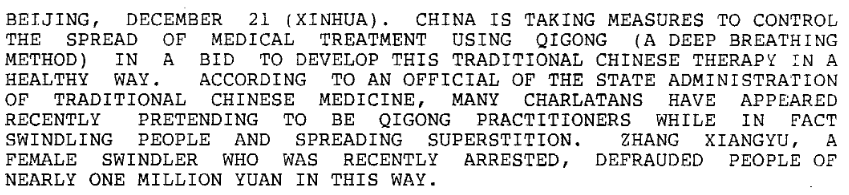
After 1988, Qi Gong became more influential. In 1990, a woman master of Qi Gong, Zhang Xiangyu, pushed its influence to a peak with her performance in Beijing. Millions of “pilgrims” gathered from several provinces to see her and caused great traffic jams. When Zhang waved her hand out of a window of the third floor of the hotel, the “pilgrims” in the street cheered. Zhang claimed that she could talk with extraterrestrial beings and was able to cure every disease. She treated her patients with methods similar to those of witchcraft and demanded large amounts of money from them. Many patients became ill under her treatment and some of them died. In August, Zhang was arrested and accused of cheating. The exposition of her swindle weakened the cult of Qi Gong. Zhang was convicted in 1993.
Soon after the arrest of Zhang Xiangyu, a conscientious master of Qi Gong, Sima Tu, told the truth about the various kinds of Qi Gong hoaxes. The prestige of Qi Gong dropped rapidly and became merely a sort of body exercise popular among old people, as I mentioned at the beginning of this article. However, Qi Gong staged a comeback in a different form after 1992, as a trend of thought instead of a practical movement. In this way it has much to do with the revival of the paranormal in traditional Chinese culture.
The renaissance of traditional culture began in 1989, when the government found it useful as an ideological weapon to fight against Western-style liberalism. Moreover, it seemed to be a hopeful alternative to orthodox Marxism as an ideology to join people’s viewpoints with feelings. The preference for traditional culture in literature, however, can be dated back to 1984. Then, some novelists announced they were able to “find the root for our literature” when they felt disillusioned by the importation of Western literature and art since 1978, as well as Marxism, which is also a western ideology. The announcement of finding the “root” is not a bad one.
When the government took part in the revival of traditional culture, things turned out to be worse, because the leadership of government was far from being scientific and rational. A manifest example was the “I Ching” craze beginning in 1989. An ancient classic about divination, the “I Ching” relates something of the philosophy, beliefs, customs, and mathematical ability of ancient China. But in the recent craze it was claimed to have the implications of modern physics, mathematics, astronomy, and computer science.
For example, it is said that G.W. Leibniz (1646 – 1716) got inspiration out of the Eight Diagrams to create the binary computer and had sent one of his machines to Emperor Kang Xi of the Ding Dynasty. This claim turns out to be completely false. The binary computer wasn’t created until 1941 (the Z-3 machine). What Leibniz created is the binary system, and he worked it out before he saw the Eight Diagrams.
While the cult of traditional culture led to pseudoscience in intellectual circles, it resulted in the revival of primitive superstition, such as fortune telling, astrology, physiognomy, and “I Ching,” ancestral worship, and magic among the masses with less education. They abounded in the broad rural areas, as did the Qi Gong in the cities. The official newspapers warned that “the superstition of feudal ideology is reviving in our countryside.”
From the standpoint of the official media, superstition refers to something more than we have mentioned above. It includes the spontaneous, disorganized minor religions in the rural areas. For instance, hundreds of pamphlets on Zen have been issued since 1990. Zen, as a specific religion originating in China and spreading over the Far East, was generated out of the mixture of Indian Buddhism and Chinese traditional thought. It had benefited from Taoism, Confucianism and other traditional Chinese teachings. Therefore Zen, as well as Taoism and other religious traditions, became popular with the revival of traditional culture. These traditions should be highly appreciated in themselves but the popular interpretation of them came to include the paranormal.
A typical case is the book The Decoding of Liuman’s Mysteries (Renlei Shenmi Xianxiang Poyi, 1992) by Ke Yuniu. In it, he announced that he had encoded all the mysteries in human history: Qi Gong, Yoga, SA, psychic phenomena, parapsychology, magic, soul, I Ching, Chinese medicine, Laozi and Dao De Jing, Zen, Sakyamulli and Buddhism, the Bible, Jesus and God!
Carefully read, one can uncover that Ke’s thoughts never transcend the ideas of the early sages, such as Laozi, Sakyamuni and Jesus. He borrows from Zen epistemology, makes use of Laozi in the ontology, believes Qi Gong as an alternative to physics, and he also contributes his own illogical methods of thinking.
In November 1994, Ke issued his new three volume book: Research Into Life. In this book he proposed few new ideas but described hundreds of “successful” experiments to verify the presence of SA. In general, Ke’s books are not worth being treated seriously; but their great influence on the social ideology is dangerous, and we need to deal with them.
The movement to “love, learn and utilize science” from the end of the 1970s unexpectedly helped the growth of pseudoscience. The above-mentioned “materialist” view of science was an important cause, another was that public education in science was led astray in this period. The masses were given “scientific knowledge” without the necessary explanation of how it was achieved. That no method was available for the masses to decide whether a claim was scientific made them turn to some “authoritative” source, for example, the public media, an administrative organ, or the “mystery authority” relating to the intelligence agencies and the military.
“Hongcheng Magic Liquid” is a case of “mystery authority.” Being an ordinary man in Northeast China without higher education, Wang Hongcheng, in the early 1980s, pretended to have created a sort of “liquid” of which two to three drops could change the structure of one liter of water to make it as combustible as petrol. Were his claim true the words “energy crisis” could be canceled from the dictionary eternally. The Chinese security and military departments paid much attention to the declared creation and funded Wang for further research. When it was shown to be obviously a fraud, Wang was thrown into prison. However, he became a legendary figure. Some people believed that Wang was persecuted because he refused to turn over his “secret” formula to the government, and that this was covered up.
When Wang was finally freed, many news reporters, worshippers, investors, and crooks gathered around him to hear about the “secret” formula. In 1992-1993, Wang was rather popular on the public media, and he set up a company to develop the “Hongcheng Magic Liquid.” Nothing happened in the end, of course.
Another case has more to do with the authority of administrative organs. It is the “W-Shape Ship Patent” belonging to Zhou Jinyu from South China. He was a young technician and announced his innovation in 1985. This was to put the propeller in the middle of a ship instead of at the stern and to give the whole ship a W-shape. Zhou claimed that he had discovered a new fluid theory, by which the W-shape innovation could improve the speed of ships by 200 to 300 percent, but he had never published a paper about his “theory.” Experiments performed by some experts indicated that a ship when applied with this innovation would lose 20 to 30 percent of its speed and risk turning over. However, Zhou managed to get a formal appraisal from the local administrative committee of science and technology. He succeeded in bypassing the patent bureaus, the local government, public media, and entrepreneurs, simply by waving the appraisal. A large amount of money was wasted in making W-shaped ships, because they couldn’t move at all. Zhou was awarded and honored by governments at different levels until he was exposed by thirty scientists in 1992.
In the 1990s, as China accepts the market system step by step, the public media plays more and more important roles in the spread of pseudoscience, and cases of pseudoscience increase in the area of business. The Chinese people haven’t developed the necessary skeptical view of advertising, and the lack of related laws provide cunning businessmen with an open field. Until November 1994 China didn’t have a law for truth in advertising. The public media abounded with fraudulent advertisements. One example was the “electronic adding-growth shoe pad.” This shoe pad was said to help short young men grow taller by stimulating specific parts of the sole of the foot.
Another case was the “electronic stutter-curing instrument,” which was only a micro-amplifier, to enable you to hear your own voice through an earphone attached.
Fraudulent advertisements have been reduced since the Law of Advertisements went into effect, but pseudoscientific businesses, especially in the field of medicine, haven’t been contained. First, an essential system to test the quality of new medicines has not been established. New medicines always have to “pass” a clinical test, but the necessary control group is usually neglected, or the it is not under rigorous control. For example, all the patients of the control group haven’t been given the same dose. Second, the effectiveness of Chinese medicines cannot be tested by orthodox procecare articles” insteading disease instead of caring for health.
The Chinese medicine and “health care articles” market has been full of various sorts of oral liquids. They all claimed to be able to reduce your white hair, or improve your memory, or strengthen your sexual ability. One of them is called “China Soft- Shelled Turtle Extract.” It is well known that female Chinese long-distance runners have continually been winning the championships in different races and often also win and as the runner-ups. It is also well known that all these female athletes are guided by the same coach, Ma Junren. Ma’s method in training is peculiar, but public opinion holds that he has a certain “secret formula.” In the West, reporters guess about the stimulant used. In China, people noted that Ma had his athletes drink the blood and fat of soft-shelled turtles everyday. A financial group in Chang Zhou announced that they had bought the “secret formula” from Ma and began to produce the extract. However, a group of reporters recently discovered that no turtles could be found on the production line.
Besides, Ma had sold his “secret formula” to another company for two million Juan (about $250,000). Turtle, of course, is not among the ingredients. This company is now selling a liquid named “Life Atomic Energy,” which is said to be produced according to Ma’s direction.
In my view, the most influential commodity and the first object that ought to be inquired about in the present China market is the so-called “Life-Spectrum Healing Instrument.” According to its creator, Zhou Lin, it can emit rays whose spectrum is similar to the emission spectrum of the human body. Thus it “adjusts the balance of the human body system.” This explanation for its mechanism is not clear. If its spectrum is really in accordance with the human’s emission spectrum, we can understand that the energy of the rays is subject to absorption by the body, that it will heat the tissue inside of body.
Perhaps it is a better physical healing method than the traditional hot compress, but this wouldn’t help us to understand how it could adjust the balance of the body system.
In fact, Zhou’s instrument hasn’t been strictly investigated. It is widely accepted primarily because it won the first prize in an international fair. The general underdevelopment of Chinese science and technology induces people to be convinced by the “authority” from any international organization.
On December 5, 1994, the State Council and the Committee of the CPC issued a proclamation to strengthen public education in science. In this proclamation it was recognized that “public education in science has been withering in recent years, at the same time activities of superstition and ignorance have been growing and antiscience and pseudoscience cases have frequently been happening. Therefore effective measures must be applied as soon as possible to strengthen public education of science. The level of public education in science and technology is an important sign of the national scientific accomplishment, and is a matter of overall importance relating to the promotion of the economy, the advancement of science, and the development of the society. We must pay attention and carry out the public education with consideration of a strategy to modernize our socialist country and to make our nation powerful and prosperous. Ignorance is never socialist nor is poverty.” It is planned to advocate education with the three aspects of science: scientific knowledge, scientific method, and scientific ideas. This proclamation greatly encourages the rationalists, and has formed a helpful context for attacking the paranormal. However, it is possible that such a government- guided movement would turn out to be politically oriented. If the paranormal was only suppressed by the political power, and if people were not to be persuaded reasonably to discard their irrational beliefs, the matter would be worse. In my view, political intervention is the most dangerous element of skepticism, and it could result in many more cases of paranormal claims.
Author: Wu Xianghong - a doctoral candidate in philosophy and science at Renmin University of China, Beijing.
-
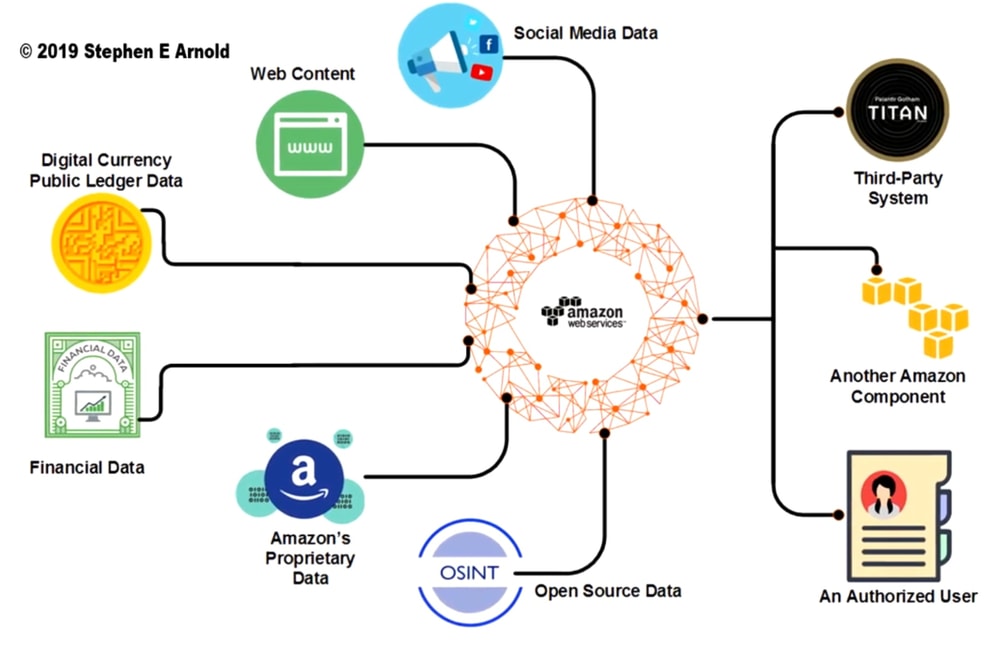
Illustration of Amazon's cloud operations - from an Interview with Stephen E Arnold of DarkCyber by Robert David Steele (13min video). #Comment: As usual, too little resolution on the most interesting question: What is the philosophy and agenda, once all data is collected?
-
#Comment: A peculiar characteristic of the dominant (western) science paradigm, is how little emphasis is placed on cultivating mind-body states (beyond pure book learning, jointly shaping mental & physical conditions via exercise, meditation, diet, etc.) of participants (peers & public), while they interact with the science discipline and its fruits. During the past century, science has (re-) discovered, that the process of thinking-acting in living beings (incl. humans) is inherently embodied, multi-modal, contextual and distributed. Long dead is the notion of a disembodied philosopher king, generating objective truth from high above. Health and Cognitive accessibility are key for effective change-making. Yet, contemporary science is still practiced as strictly intellectual activity of sedentary elites, producing sacred knowledge on the assembly-lines of giant for-profit institutions. Peculiar indeed, as ancients cultures in India (Vedic, Yoga), China (Daosim, Qigong) or Greece (Philosophy, Sports) demonstrated the efficacy and joyfulness of a more holistic paradigm.
-
The Reflect! platform - "Designed to organize reflective consensus building on wicked problems in small teams" - by Dr. Michael Hoffmann and the "Reflect! Lab" at Georgia Tech
AGORA-Net - a Computer-Supported Collaborative Argument Visualization (CSCAV) tool. An argument is defined here as a set of statements—a claim and one or more reasons—where the reasons jointly provide support for the claim, or are at least meant to support the claim.
#Comment: If you have advanced "sensemaking" infrastructure, but in praxis predominately use it to advance the narrow interests of the military industrial complex ("kill, surveil, control"), shouldn't it be called "nonsensemaking" instead?
#KM #HCI #Complexity #Science #Philosophy #Design #Military #Business
-
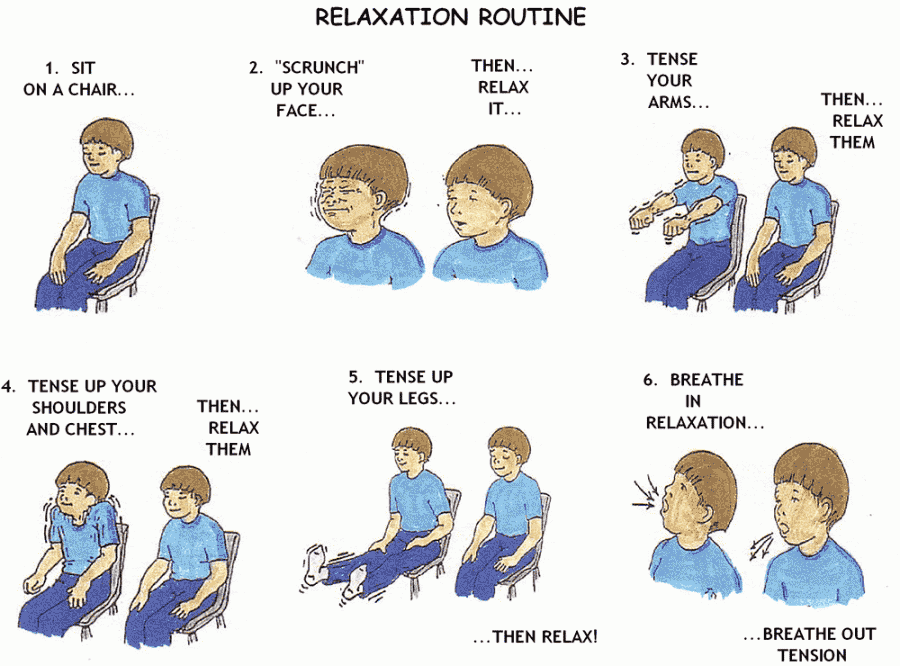
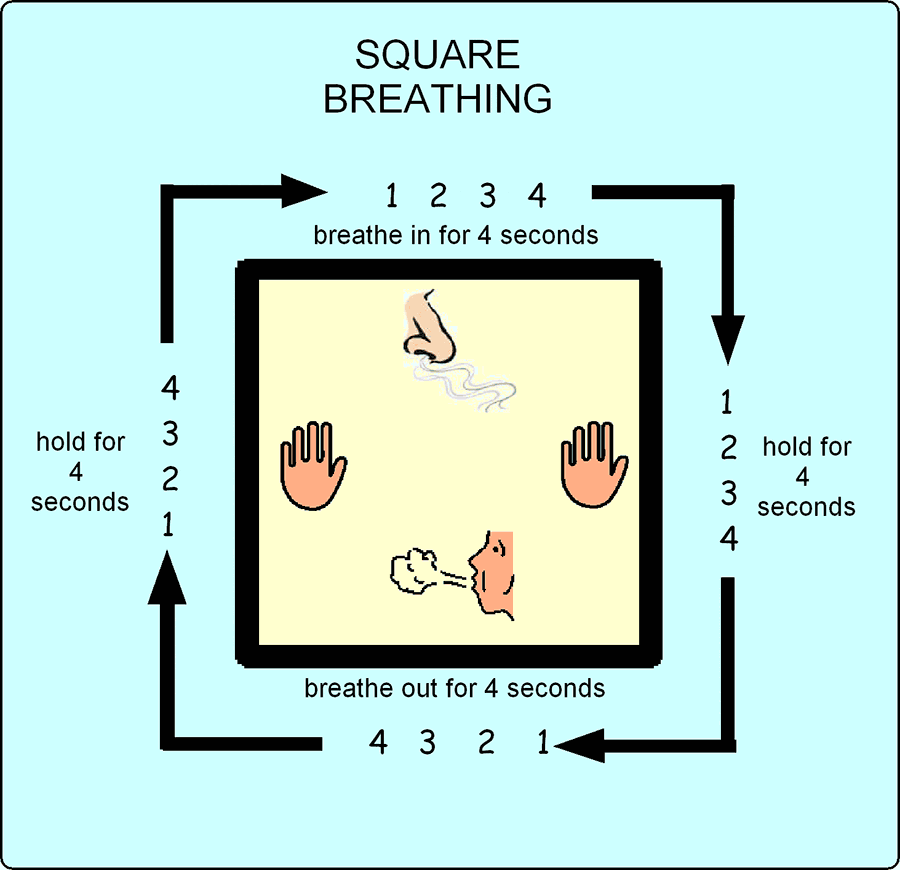
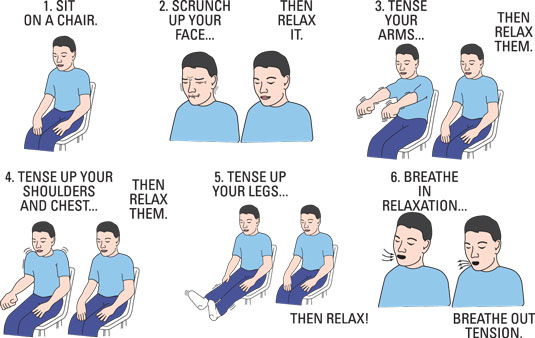
Illustrated Collection of Relaxation Techniques
#Comment: Relaxation is essential for health. But further, it is the true foundation of effective communication, collaboration, creativity and productivity. Yet, in today's western world it is hardly studied and taught systematically. Relaxation is an art and science: The more you practice the more proficient you become. When you are relaxed and in harmony with yourself the whole world begins to orchestrate with you and everything begins to change. Relax!
Progressive Muscle Relaxation & Square Breathing
Qigong (illustrations by Irene Nemeth)
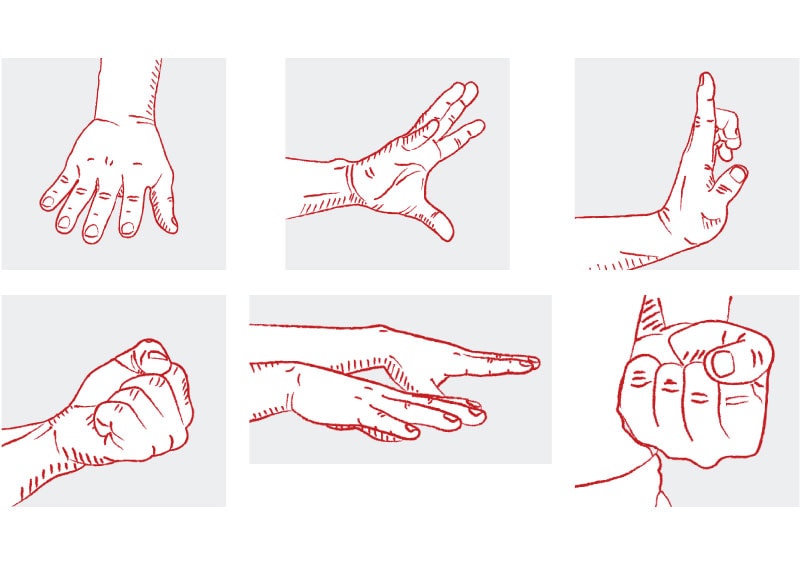
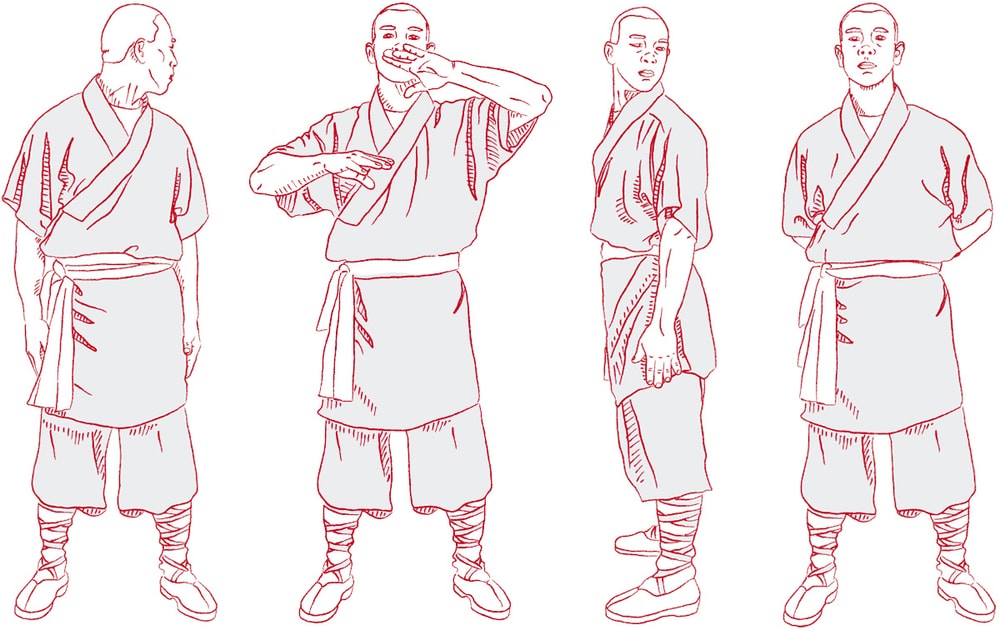
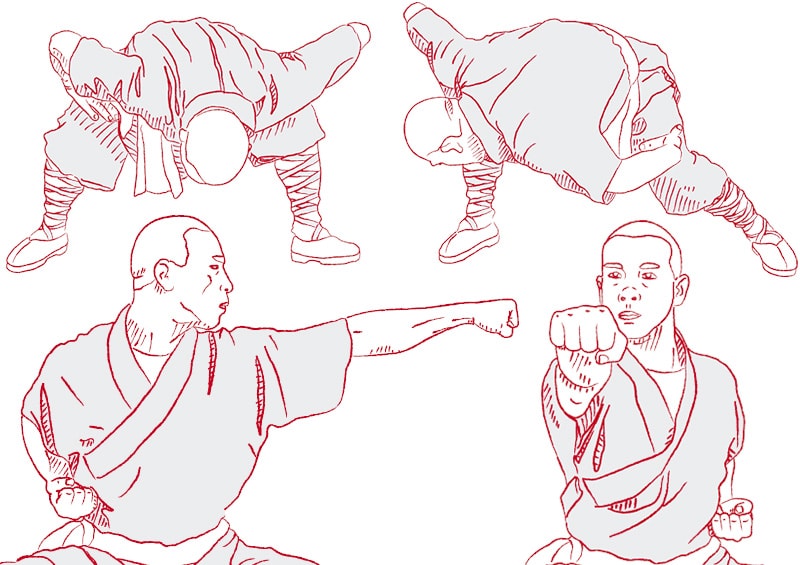
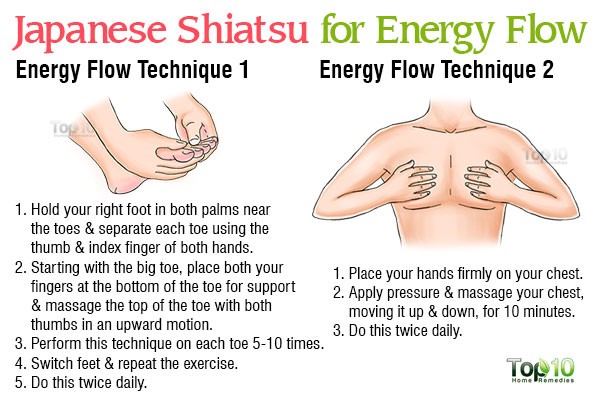
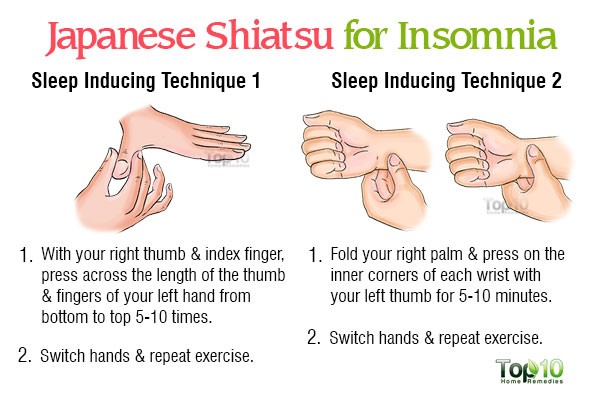
Japanese Shiatsu Self-Massage Techniques
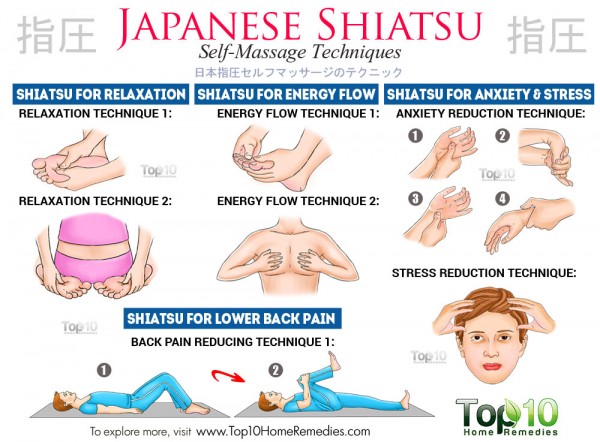
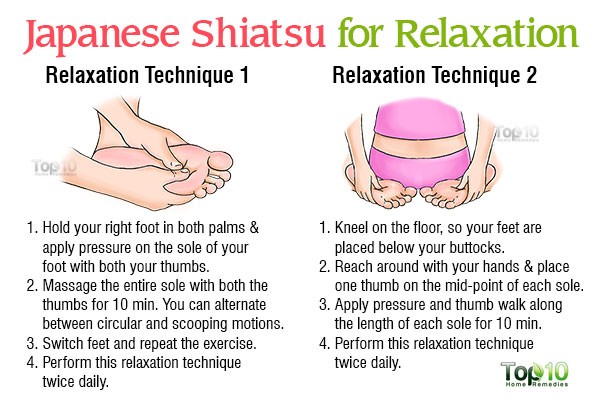
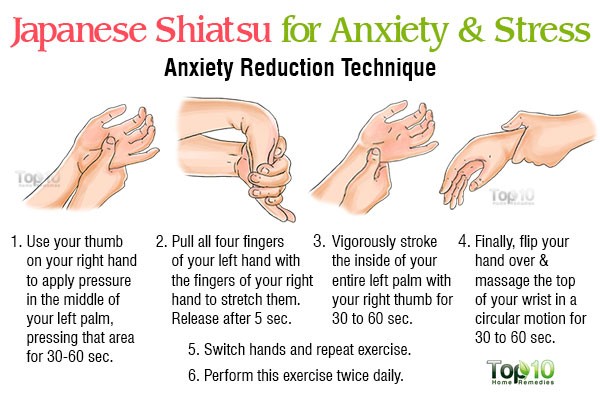
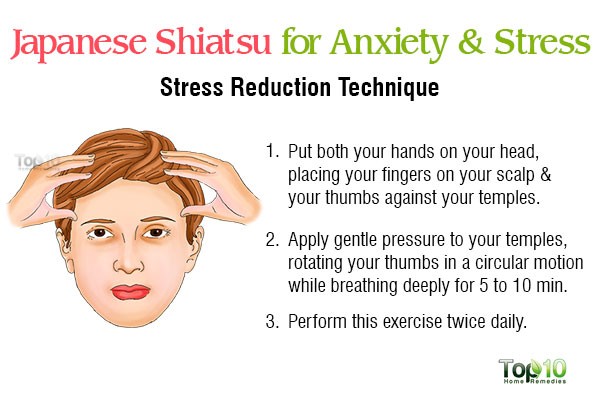
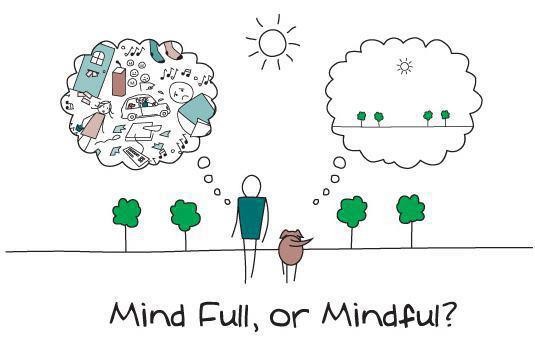
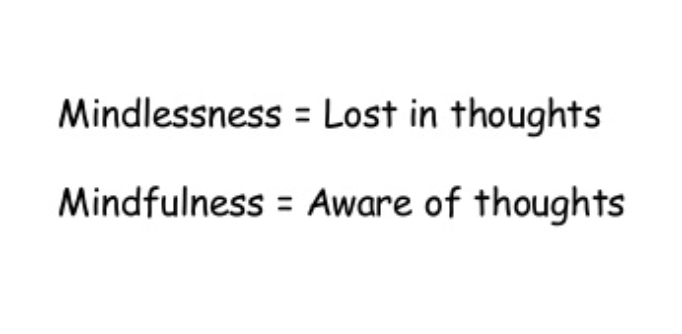
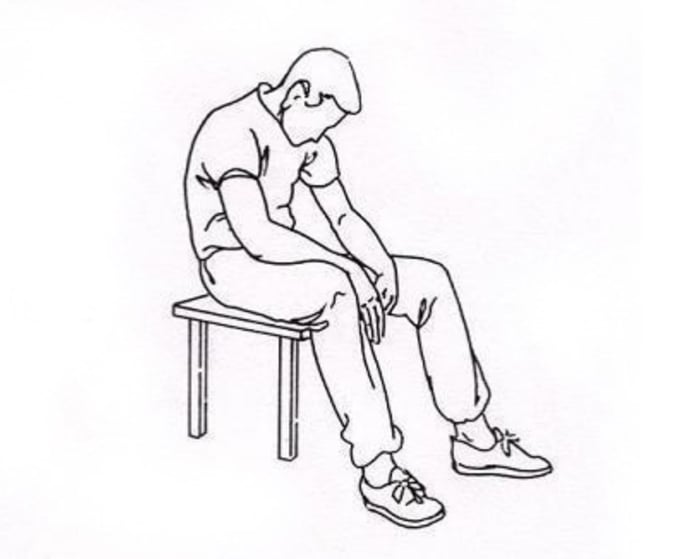
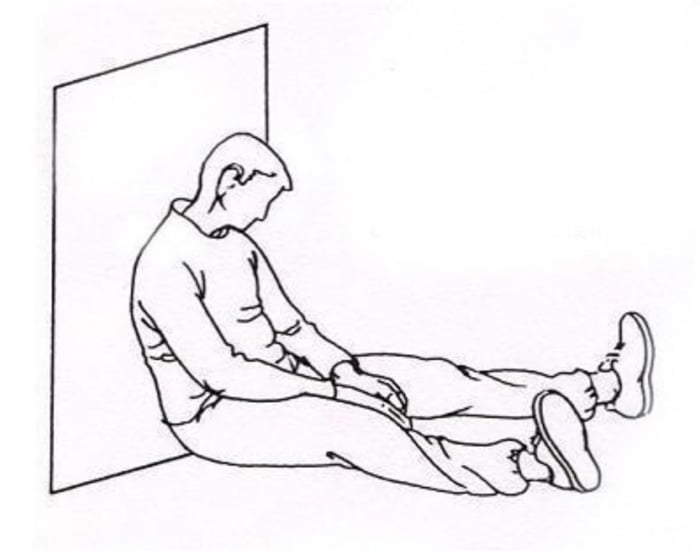
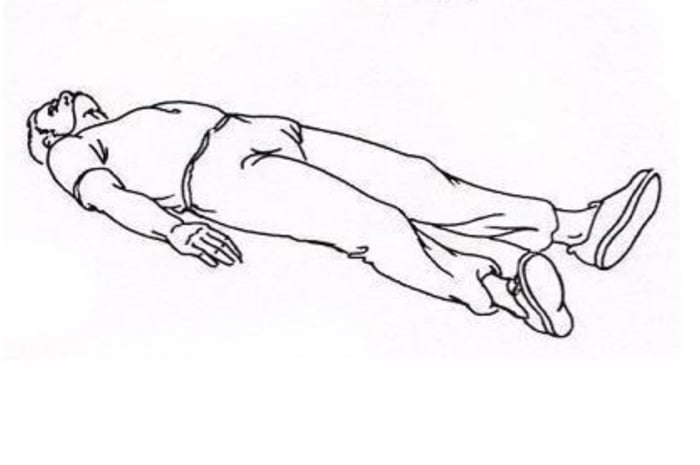
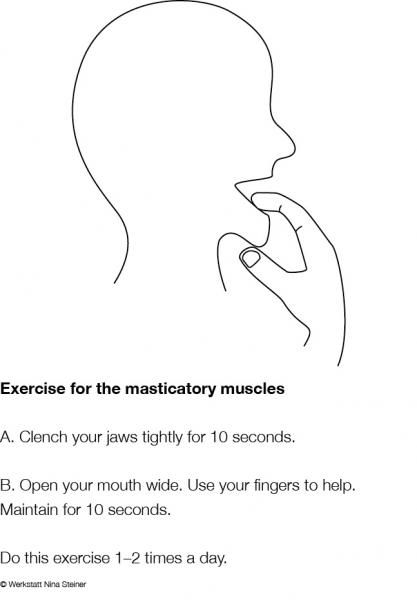
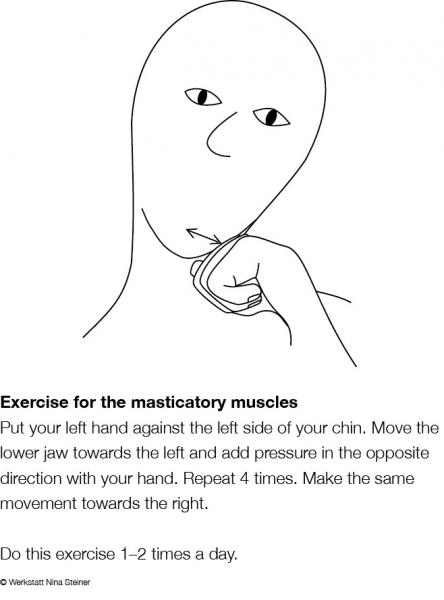
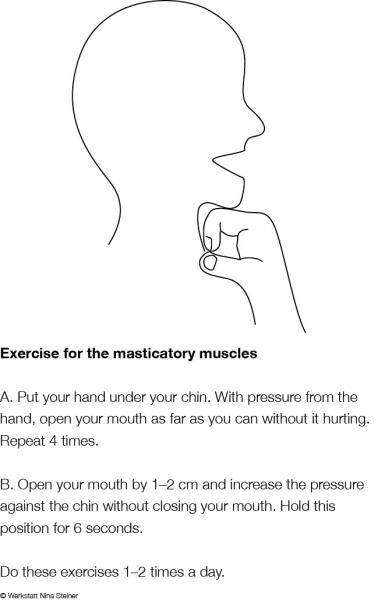
Medical Research: Mindful movement and skilled attention
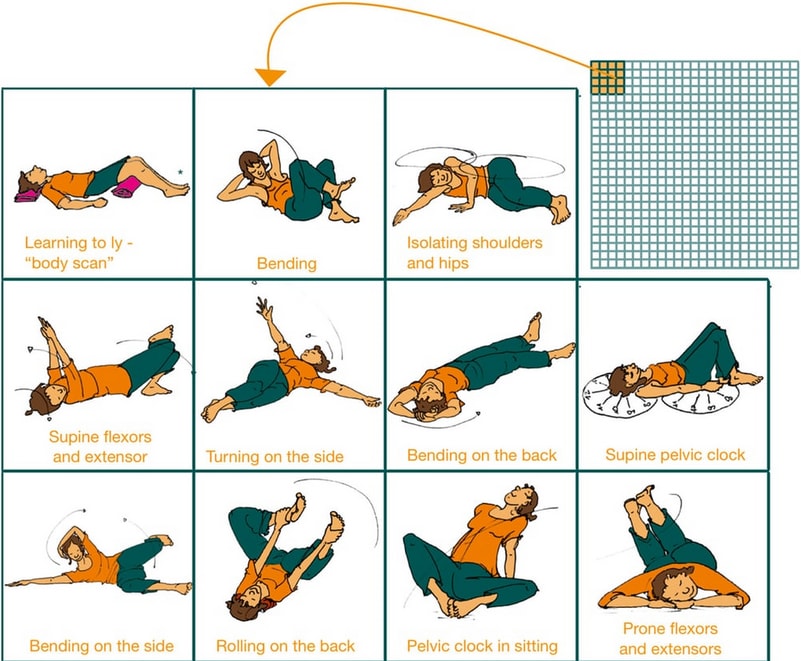
Related From earlier on this blog: Lazy Mans Guide to Relaxation.
-
What would happen, if global leaders would start focusing on DAO instead of the DOW?
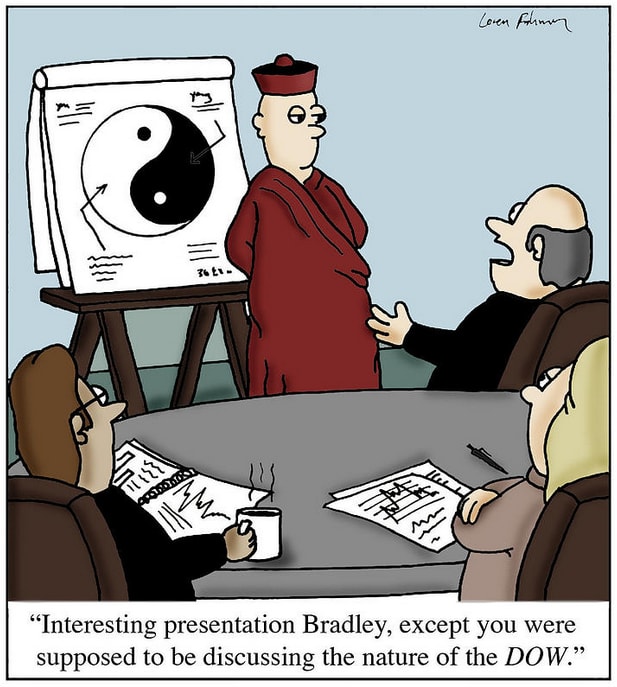
#Comment: Contemporary capitalist "businesses" are directly modeled after military armies (Chief Executive OFFICER" etc.). Instead of focusing on the mind/body health and development of employees, customers and partners ("win/win/win") - it's a permanent war "game" against imaginary "external" enemies - a race to exploit and pollute everything as radical and fast as possible ("zero-sum"). Unsubstantial behavior on all levels.
-
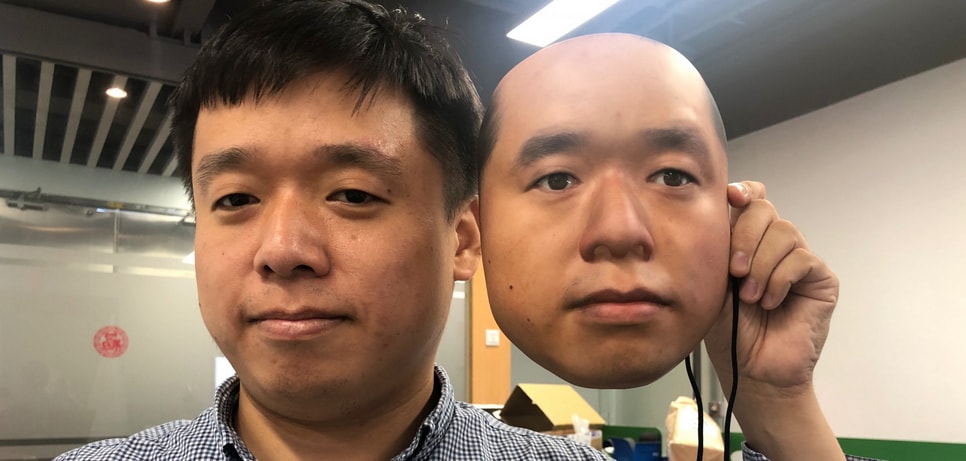
All it takes to fool facial recognition at airports & banks is a printed mask
#Comment: I closely predicted this outcome in my experiment "Adversarial Machines - Fooling A.Is" back in 2015. Current #ML is still very brittle indeed. There is a fortune waiting to be made on the adversarial computation markets (fool face-recognition etc.)
-
Crows Could Be the Smartest Animal Other Than Primates (BBC)

"Christian Rutz at the University of St Andrews is unequivocal. Some birds, like the New Caledonian crows he studies -- can do remarkable things. In a paper published earlier this year, he and his co-authors described how New Caledonians seek out a specific type of plant stem from which to make their hooked tools."
"Experiments showed that crows found the stems they desired even when they had been disguised with leaves from a different plant species. This suggested that the birds were selecting a kind of material for their tools that they knew was just right for the job. You wouldn't use a spanner to hammer in a nail, would you? Ranking the intelligence of animals seems an increasingly pointless exercise when one considers the really important thing: how well that animal is adapted to its niche. In the wild, New Caledonians use their tools to scoop insects out of holes, for example in tree trunks. Footage of this behavior has been caught on camera."
#Comment: "Ranking the intelligence of animals seems an increasingly pointless exercise when one considers the really important thing: how well that animal is adapted to its niche" is a spot on observation! Rigid, hierarchical "we humans are the top of creation" thinking is totally absurd and backwards. While "human smartest, the rest stupid" ideas are deeply rooted in ancient (christian) tradition, their full madness and destructive potential has been unleashed since the dawn of Darwin's evolution theory and dominance of science.
-
"People out of Stone" - a brief backstory of modern-day robotics and AI:
In India, it is a tradition amongst certain Tantric sects to anoint their phallic lingam images with oil, milk, and sometimes semen. A similar tradition involving living statues and plaster busts exists in Western culture - at least on a literary level. E.T.A. Hoffman, Edgar Allen Poe, Ambrose Bierce, and Jules Verne amongst others, have reinterpreted the original myth of Pygmalion from Ovid; it can even be seen in the musical 'My Fair Lady'. This tradition fulfills an ancient human dream, that of bringing the dead back to life, either artificially or with the help of the gods of magic. Even today there are hints of it in cybernetics and genetic engineering. Inspired by the attempts of Charles Darwin's grandfather Erasmus Darwin to re-animate dead worms, the nineteen-year-old Mary Shelley wrote the novel 'Frankenstein: or the new Prometheus' which was published in 1818. More on the theme has been written more recently by authors such as Philip K. Dick (as in 'Blade Runner'), Alfred Bester, Stanislaw Lem and Pierre Klossowsky. In Switzerland in 1972, a drama based on the classical myth of Galatea appeared, expressing the eternal dream of a man for a woman who is wholly dedicated to him. In the play, which was a reworking of an 'Alpensaga' (Swiss mountain fairy tale), some farmers create a 'Sennentuntschi', an artificial woman grown in a bottle from a mixture of dung and cheese. Needless to say, Sennentuntschi soon frees herself from their attentions.
In Jewish mysticism, there is the legend of the Golem, which is ultimately based on Psalm 139 verse 16; the story is best known from the mediæval golem created by Rabbi Löw of Prague, as described in Gustav Meyrink's impressive novel The Golem (1915). Golems are reproductions of Adam, formed from the dust of the earth, and they go even further back in Jewish culture, as may be discovered in a commentary on the ancient Cabalistic text the Sefer Yetzirah, as expounded by the eminent scholar Gershom Scholem. The German author of occult and erotic potboilers H.H. Ewers added a sexual twist to the legend with his novel Alraune in 1911. Also in Germany, Paul Wegener directed a film of The Golem in 1915, the first in a series of German films such as Nosferatu, Das Kabinett des Doktor Caligari and Dr. Mabuse which evoked a fascination for evil. Neo-Gnostics and secret societies in Germany and elsewhere got a lot of inspiration from fictional sources such as these - enough for them to devise their own 'Order Secrets'. The concept of the Homunculus, an alchemical mannikin produced in a bottle, was not foreign to Theodor Reuss, the O.T.O.'s founder. The prescribed reading-list for O.T.O. members included G. Herman's work called Genesis - das Gesetz der Zeugung (Genesis - the Law of Procreation) which describes the production of a being "who is realized through the odic power of materialization, and which as odic mist streams from the vulvae, and under the traditional uterine influence easily forms child-souls." The alchemist Paracelsus described his formula for creating a Homunculus using blood and semen, and this has been compared to the consecrated hosts of the Spermo-Gnostics. In 1914 Aleister Crowley wrote his Xth degree instruction De Homunculo Epistola in which he described the homunculus, even though he was less than enthusiastic about it. It is quite possible that he had been inspired by Somerset Maugham, who had published a novel called The Magician in 1907, whose villain Oliver Haddo is based on Crowley; in the novel Haddo manufactures a mad homunculus by devilish arts. Similarly, Crowley himself wrote a novel in 1917 (not published until 1929) called Moonchild, in which sex-magicians create a speaking homunculus with astrological enchantments.
"You are my Creator, but I am your Master — Obey!" - Mary Shelley, Frankenstein
Text is an excerpt from: "Nosferatu's Baby (Much Too Much) Too hot To Handle" - by Peter-R. Koenig
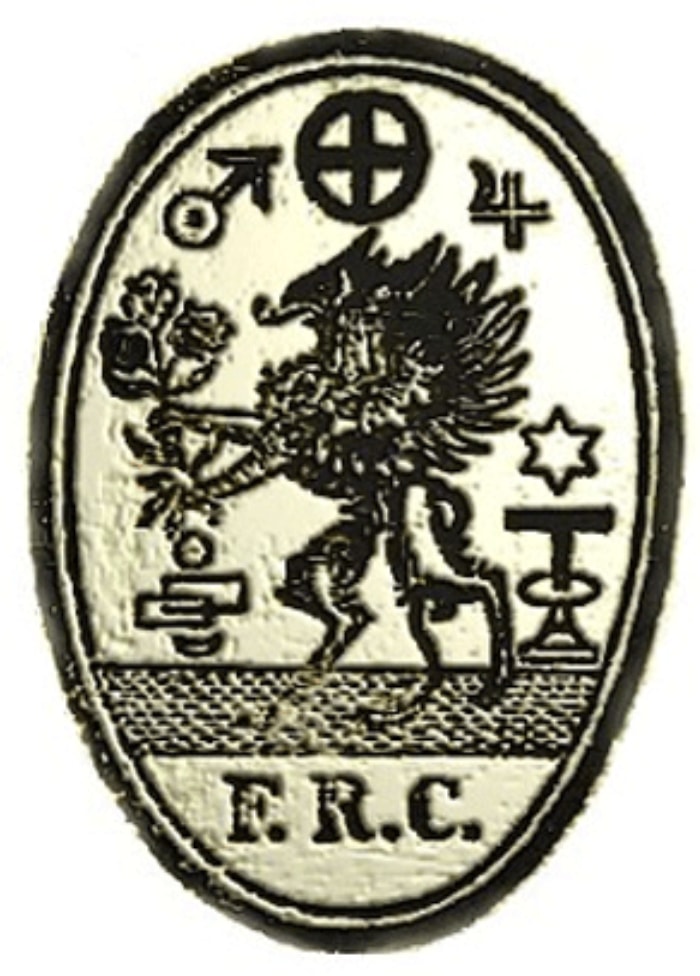
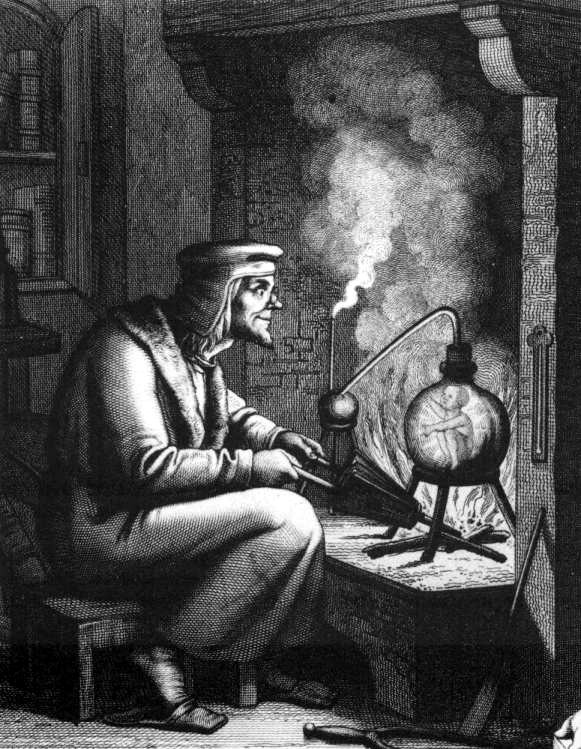
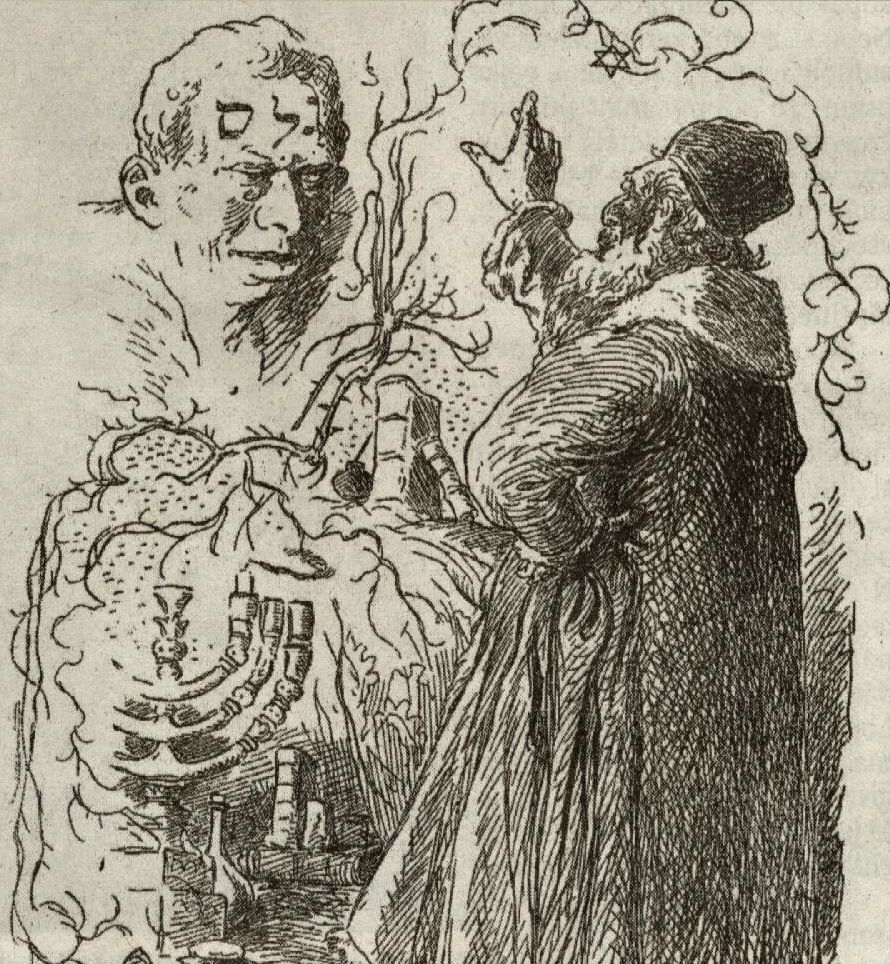
#Comment: It is rather comedic, that generations of highly educated elite men tried to make inanimate matter come alive through ever-evolving complex means. It seem obvious, that the driving psychological force behind such efforts, is a pathological jealousy of men towards women, resulting from the biological inability of males to give birth.
Consider the somewhat related insights, by Robert Anton Wilson: "Elohim," the name for the creative power in Genesis, is a female plural, a fact that generations of learned rabbis and Christian theologians have all explained as merely grammatical convention. The King James and most other Bibles translate it as "God," but if you take the grammar literally, it seems to mean "goddesses." Al Shaddai, god of battles, appears later, and YHWH, mispronounced Jehovah, later still. - Genesis, p. 197
-
Talk by Jeremy Lent on "Cultural Mindfulness" - at the Stanford University "Contemplation By Design Summit" 2018.
#Comment: Mr.Lent's talk contains interesting notions, but overall its way to heavy on "we are so very progressive, post-dualist, post-materialist, post-post, woke people" virtue signaling touchy-feely boilerplate bla - indicative of current anglo eco culture. For my taste, he could shrink the talk to 15min and include a healthy does of high weirdness and comedy.
-
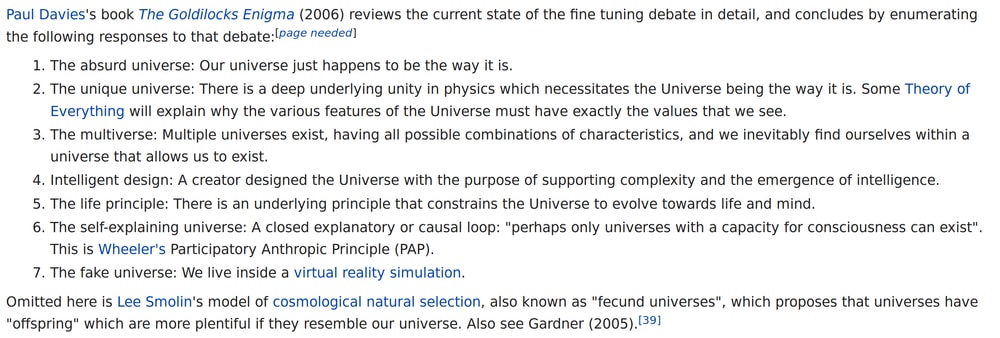
#Comment: Many of the (philosophical) musings of the contemporary "high priests of reality" (physicists, mathematicians etc.), such as "the Anthropic Principle" (see this intro video by Sabine Hossenfelder: "Is the Anthropic Principle scientific?") would make for truly great absurd comedy - if only such people would learn to not take themselves and everything else so very serious (great minds with even greater egos) and laugh far more often: Hairless monkeys which just recently developed language, convinced that they can "understand and predict everything", by compressing the totality of unfolded (infinite) existence into their tiny (finite) brains - pure paradoxical grand comedy! The "theory of everything" fairy-tales of religious traditions at least focus on practical things like rituals, aesthetics, art, ethics and culture (sensing that life is not a problem to be solved, but a reality to be experienced.) - which is overall lacking in today's science cult-ure.