tag > China
-
“Study requires calm, talent requires study. Without study there is no way to expand talent; without calm, there is no way to accomplish study.” - Zhuge Liang
-
China sounds clarion call to making absolute poverty history. (Xinhuanet)
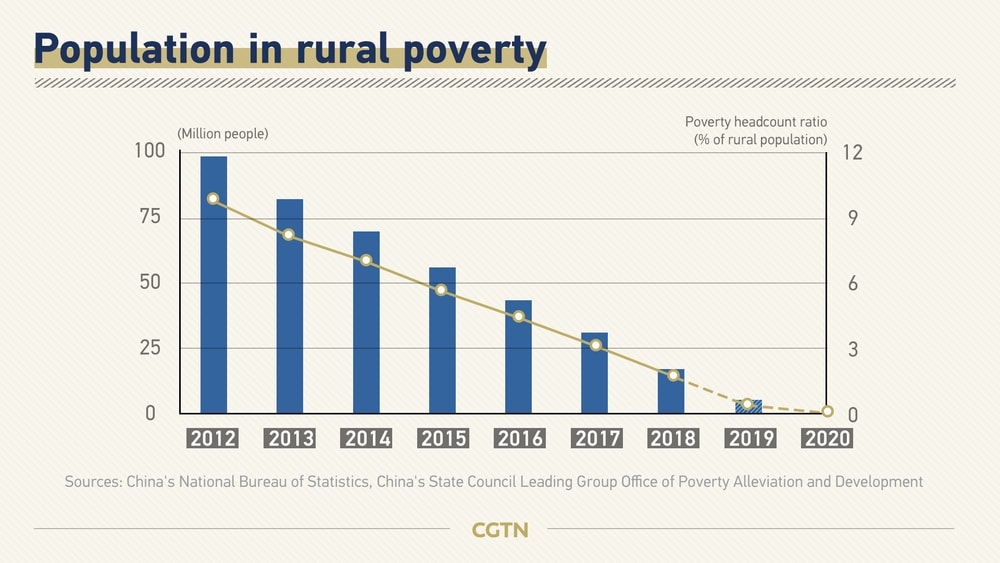
from "Ending China's poverty by 2020", by Zhao Hong (CGTN, 2020) "China is poised to tackle the hardest phase in securing a full victory in the anti-poverty battle in 2020 as it enters the homestretch in achieving the first centenary goal of building a moderately prosperous society in all respects. [...] In 2019, more than 10 million people were expected to shake off poverty. [...] By the end of 2019, the poverty headcount ratio in the areas has fallen to 2% from 8.2% in 2018. "
-
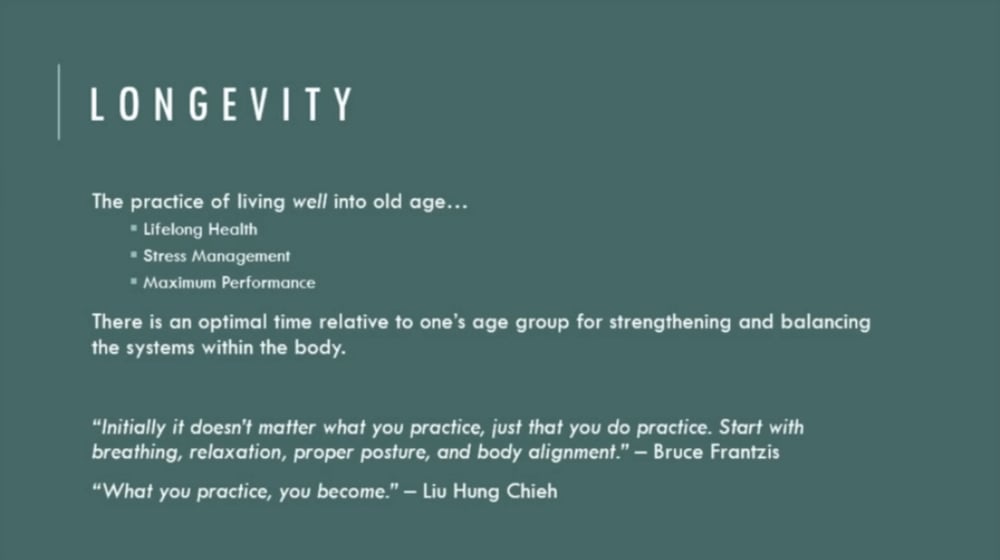
Taoist Neigong: The Internal Power of Tai Chi, Qigong, and Meditation - talk by Don Myers
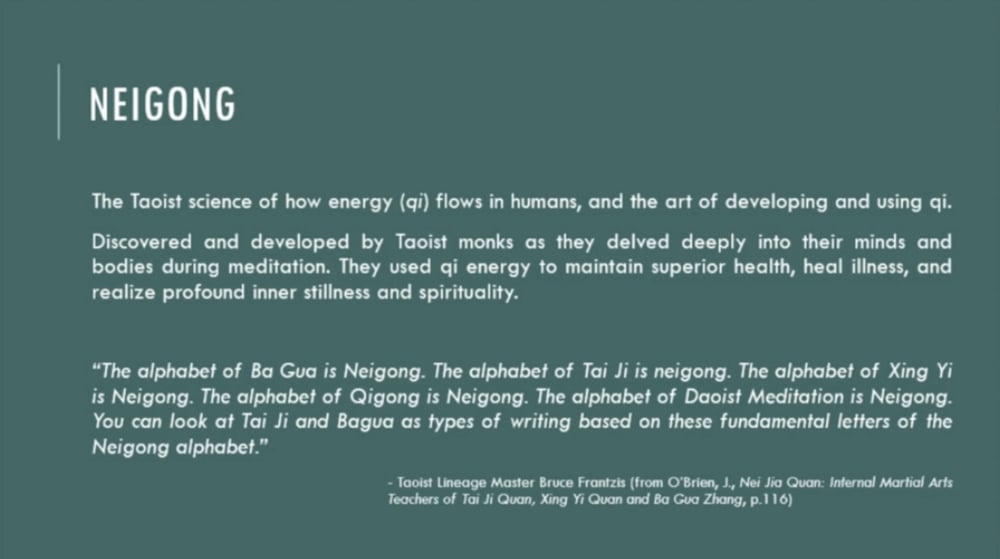
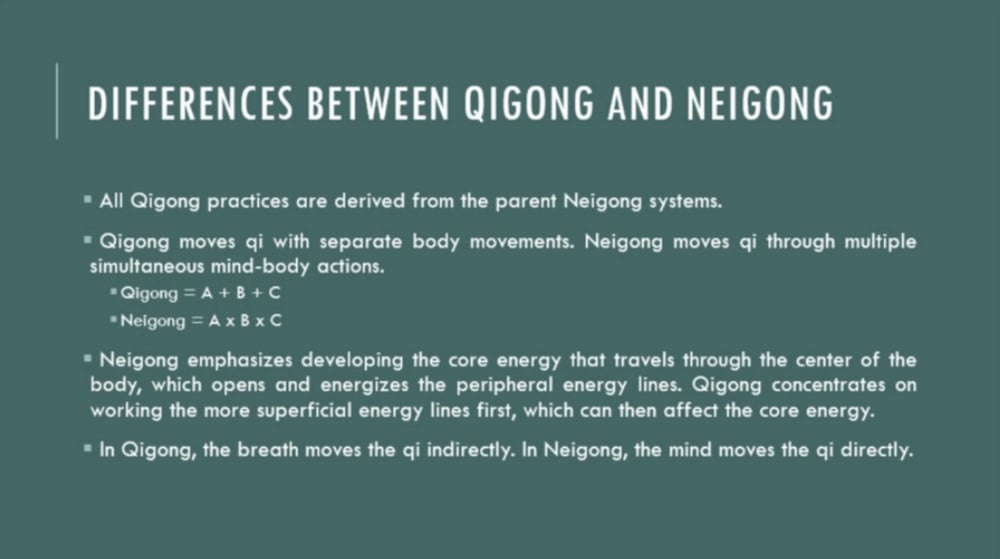
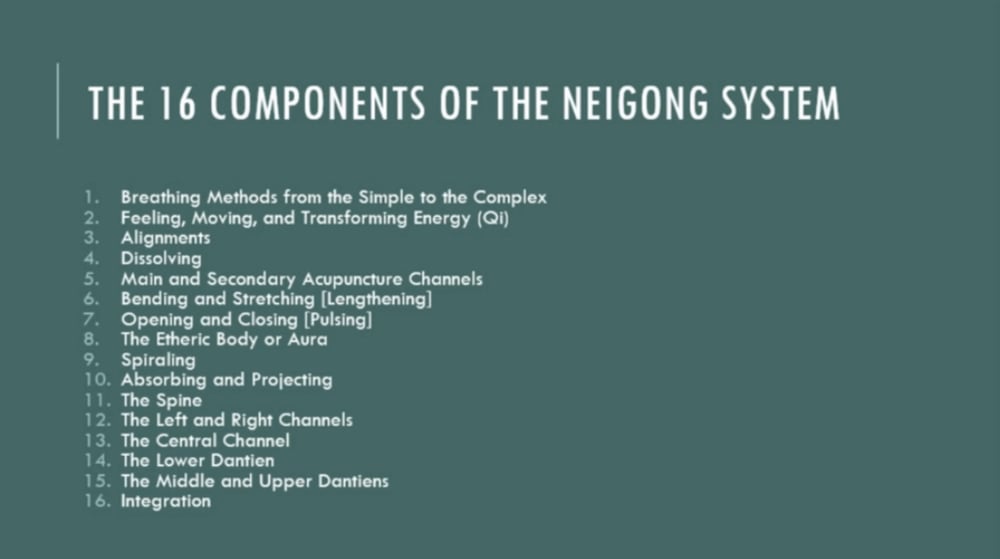
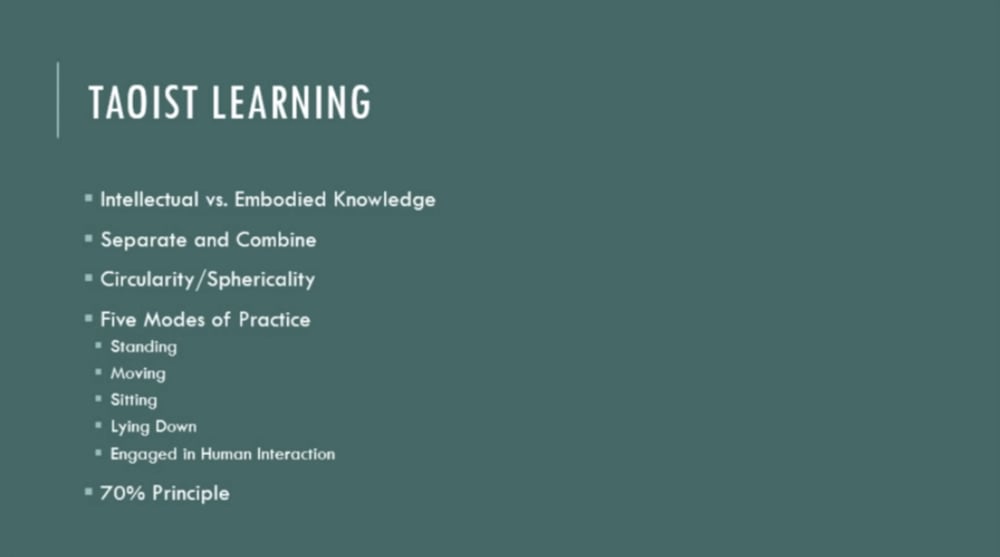
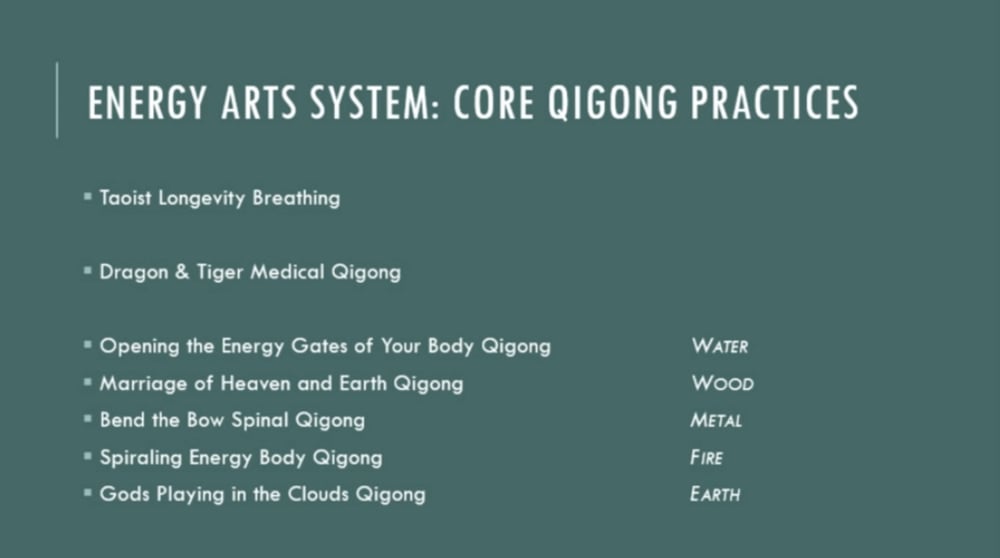
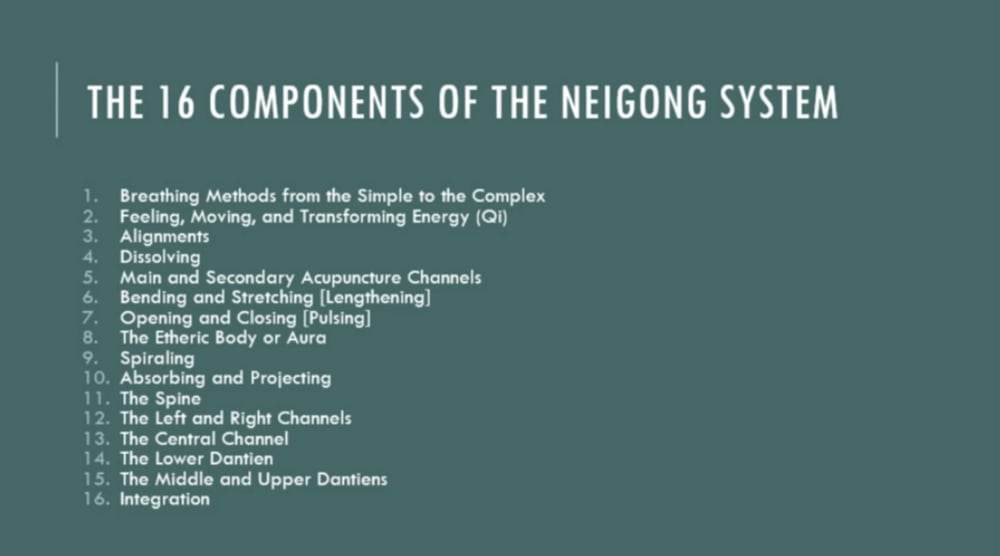
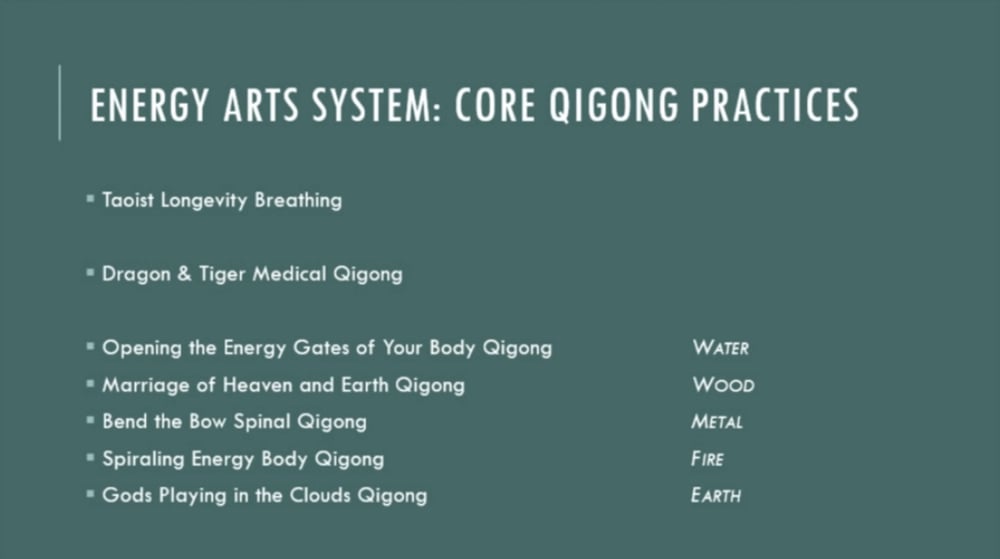
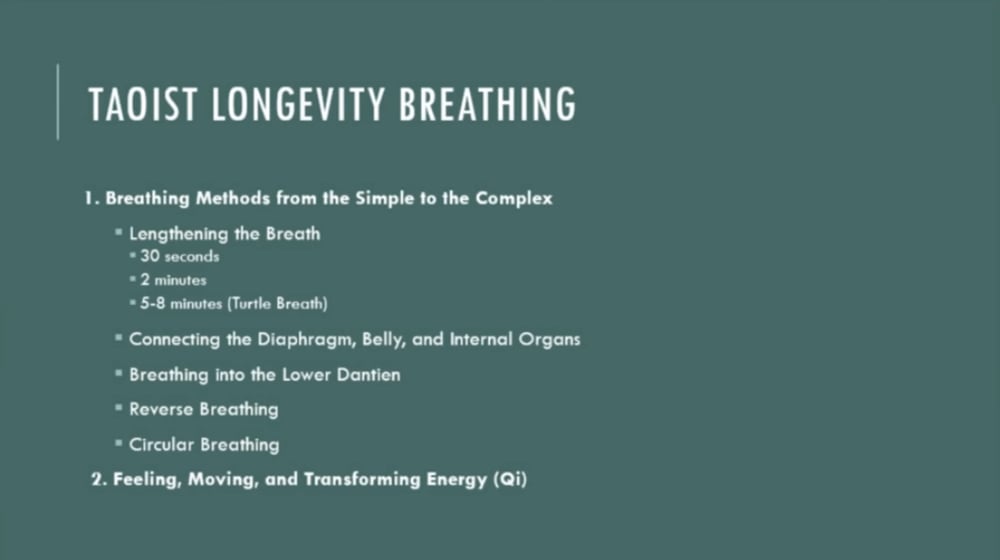
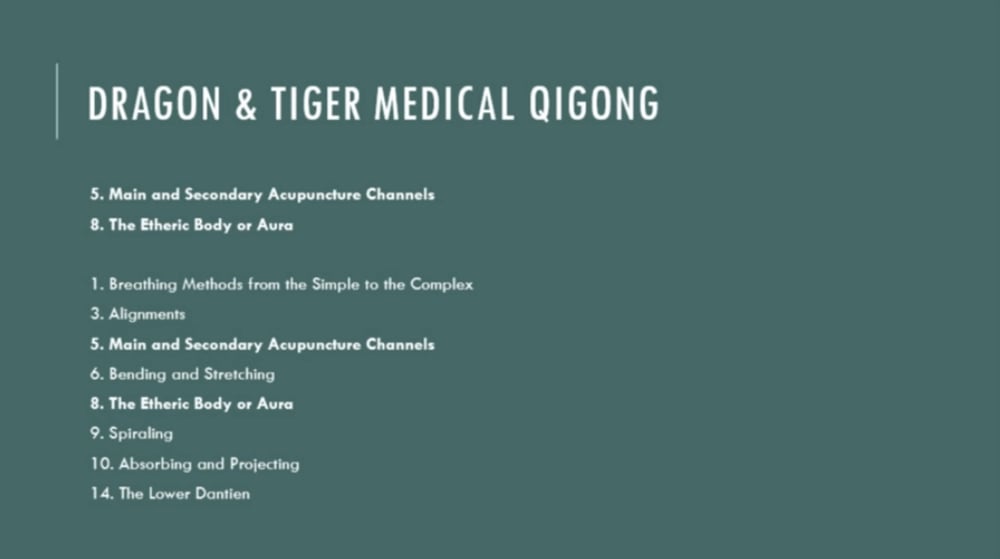
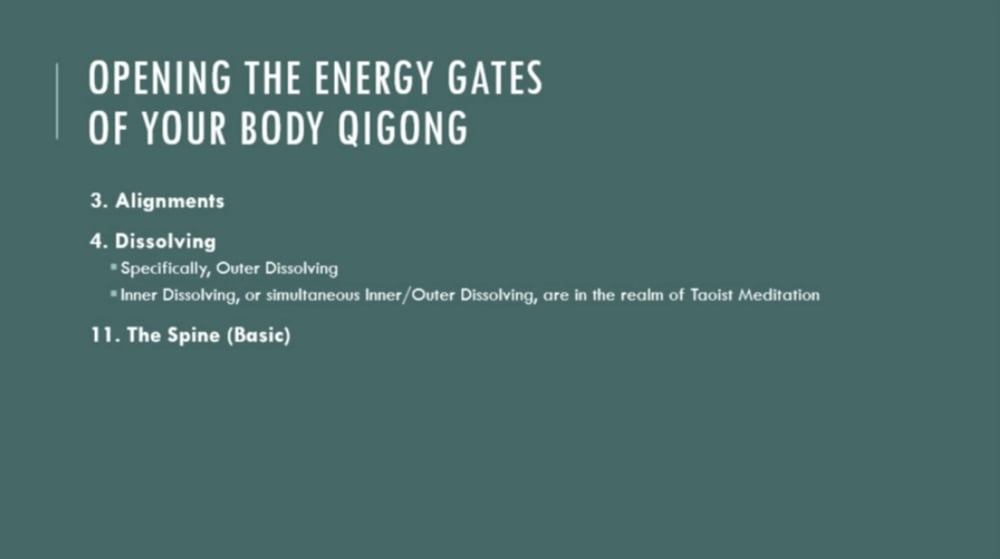
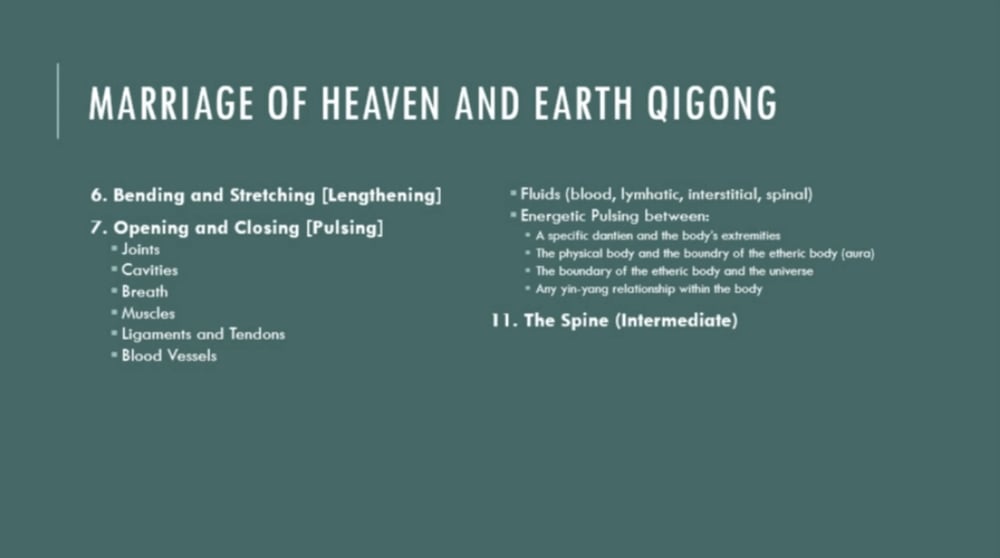
More talks by Don Myers:
- Embodying the Yin and Yang of Taoism
- Introduction to Dragon and Tiger Medical Qigong
- From Movement Comes Stillness: Tai Chi and Meditation
- The Dissolving Methods of Lao Tzu's Water Meditation Tradition
Taoist Learning: Intellectual VS. Embodied Knowledge
"Initially it doesn't matter what you practice, just that you do practice. Start with breathing, relation, proper posture, and body alignment." - Bruce Frantzis
"What you practice, you become" - Liu Hung Chieh
-
The Dunhuang Star Chart is one of the first known graphical representations of stars from ancient Chinese astronomy, dated to the Tang Dynasty (618–907). A recent analysis notes the atlas marks positions of over 1,300 stars and outlines 257 Chinese star groups. The star positions in the hand drawn atlas were found to be accurate to within a few degrees.
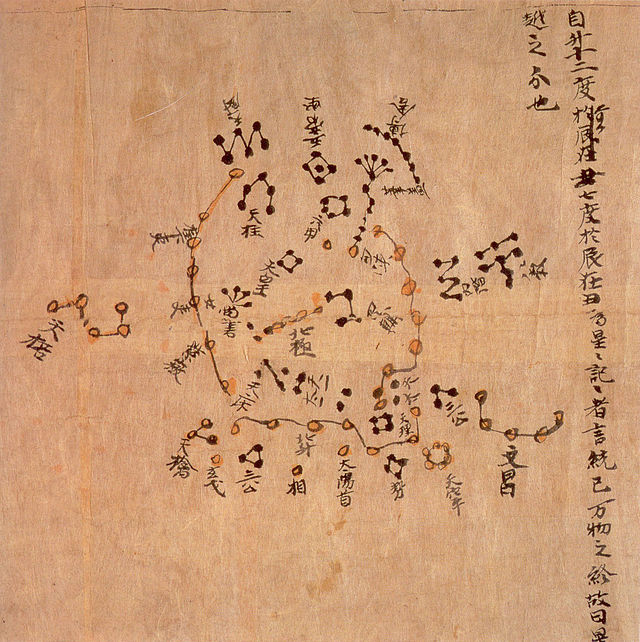
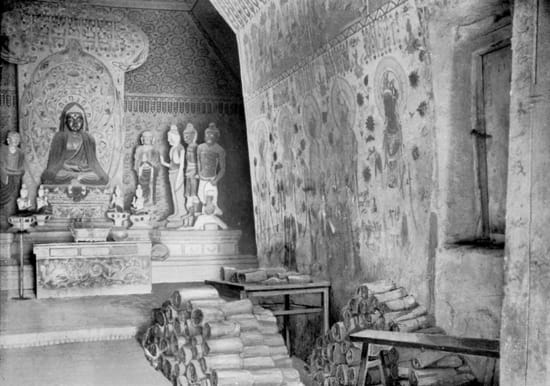
This example showing the north polar region, a very recognizable Big Dipper, part of the modern constellation Ursa Major, lies along the chart bottom. The Dunhuang Star Map was found in the Dunhuang Mogao Grotto(敦煌莫高窟) in a cache of manuscripts in a covered alcove. At that time, the Grottos were all but abandoned and the monk who found them was selling manuscripts piece by piece to support himself and what was left of the monastary. In 1907, Aurel Stein and Paul Pelliot bought over 9000 objects and manuscripts from him. They sent trunks of items to Beijing to try to alert the government to the importance of the find, but most of the items disappeared into private collections. The rest were sent to Europe. The Dunhuang Star Map is now housed in the International Dunhuang Project at the British Library in London, United Kingdom.
The star map has recently been dated back to the 700s. Earlier it was thought to date to the 900s. The map contains 1,350 stars in thirteen sections. One of the most interesting features of the charts is that they used two different methods to display the stars. One was a cylindrical projection for the stars around the horizon. When you flatten a curved object it changes the relationship among the objects on the surface. It is like a Mercator projection first seen in Europe in 1568.

Imagine cutting a ball to try to flatten it. You would have large segments of empty space between the slices of ball. On a cylindrical map, the lines of the ball are straightened artificially to maintain some relationship between the objects on the ball. This works fairly well on the equator or in the case of the sky, the horizon. When you get to the poles, the distances of the flattened slices are extremely distorted. To solve the problem, on the Dunhuang Star Map they used a circular polar projection method to draw the region around Polaris. That method, if used alone, would have distorted the measurements at the horizon.
What was it doing in Dunhuang? Usually such materials would be found in imperial archives. It is speculation, but it could have been used to guide travelers along the Silk Road. Dunhuang was the last major resting place before starting on the journey on the north or south routes across the Taklamakan desert to the west. (text source)
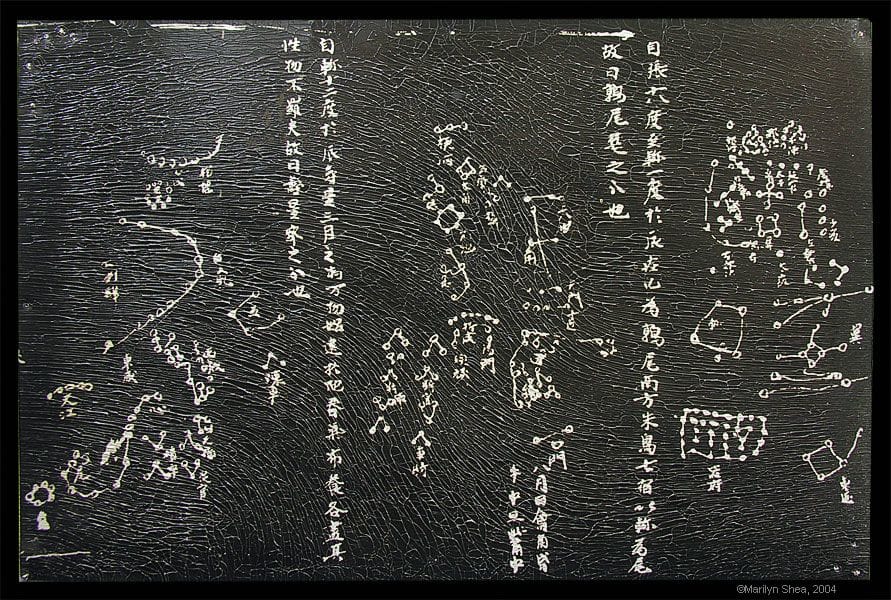
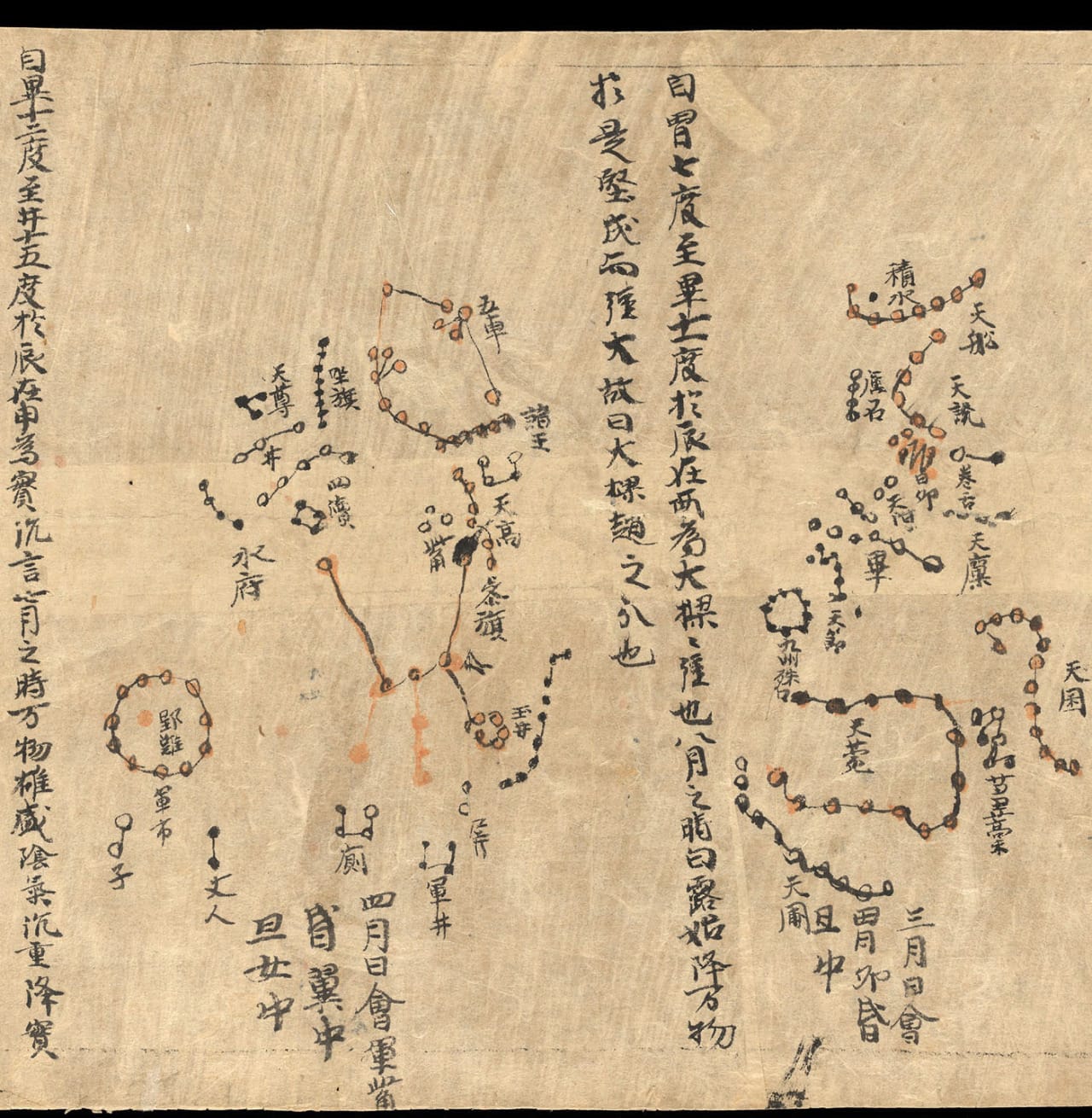
Related from contemporary science: The oldest extant star chart
-
Wanggongchang Explosion (王恭廠大爆炸)

"An unexplained catastrophic explosion that occurred in 1626 AD during the late reign of Tianqi Emperor, at the heavily populated Ming China capital Beijing, and had reportedly killed around 20,000 people. The nature of the explosion is still unclear to this day, as it is estimated to have released energy equivalent to about 10-20 kiloton of TNT, similar to that of the Hiroshima bombing."
-
U.S. government limits exports of artificial intelligence software (Reuters)
"The Trump administration took measures to crimp exports of artificial intelligence software as part of a bid to keep sensitive technologies out of the hands of rival powers like China. Under a new rule, companies that export certain types of geospatial imagery software from the US must apply for a license to send it overseas."
#Comment: Does this mean no more Tensorflow and Pytorch in China (and in a rapidly growing list of countries the US empire does no like)? How do they define "AI"? Truly comedic move, just as open-access science is becoming the norm in EU & China.
-
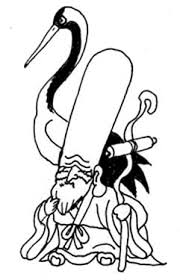
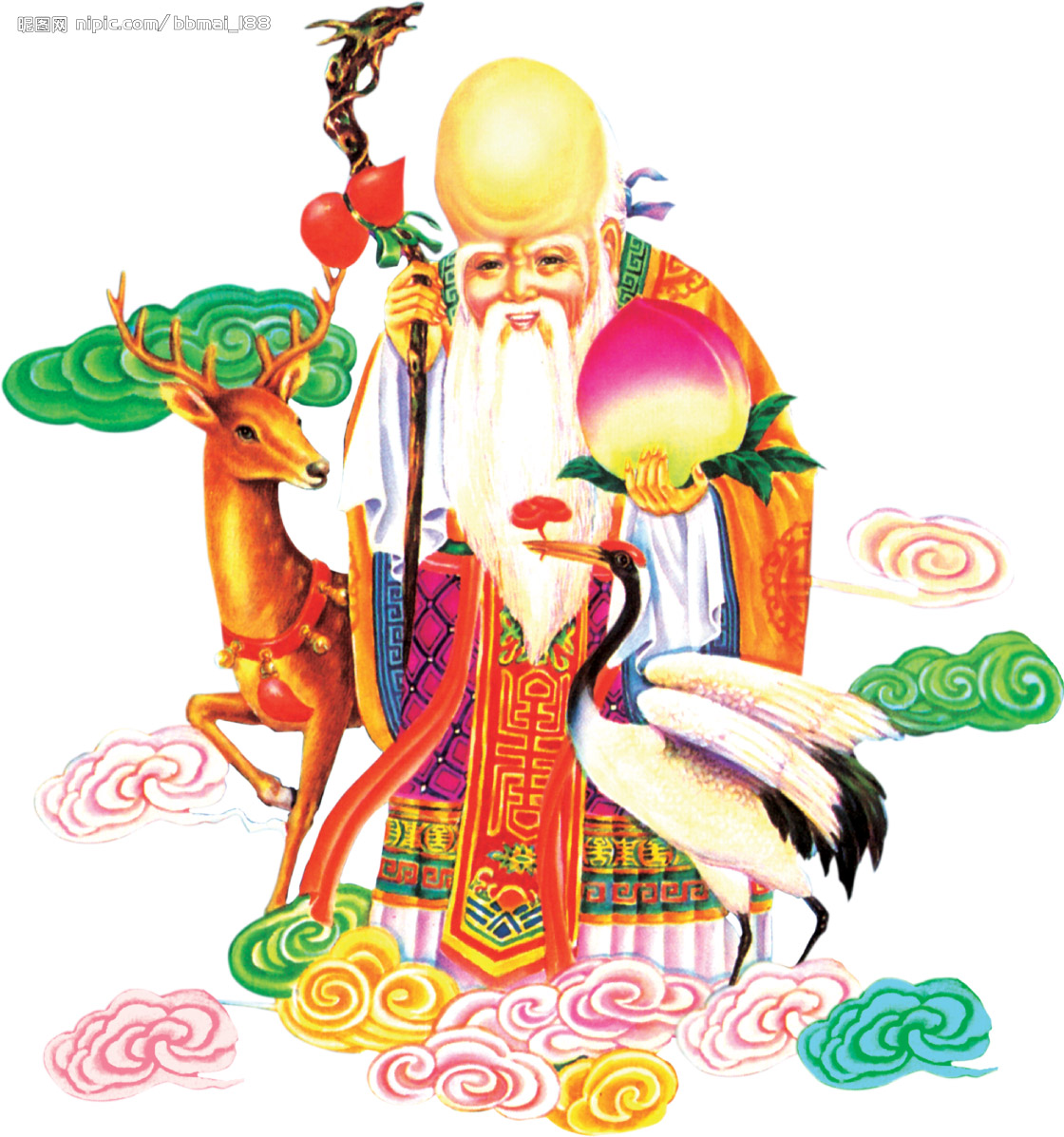
Old Man of the South Pole
Shòu Xīng (寿星), is the Star of Longevity. The earliest known record of Shòu Xīng as a deity is the Shǐ jí 史籍 (149–90 BC). We know this star as Canopus, the largest of the stars in the constellation Carina, and second brightest in the heavens. In Chinese mythology the star is known as the Old Man of the South Pole (南极老人) and is seen in the south from the Autumn Equinox through to early spring. When observed it usually has a reddish color, a symbol of happiness and longevity in China, Canopus is also known in China and its neighboring countries of Korea, Japan and Vietnam.
See this Brief Explanation and Wikipedia
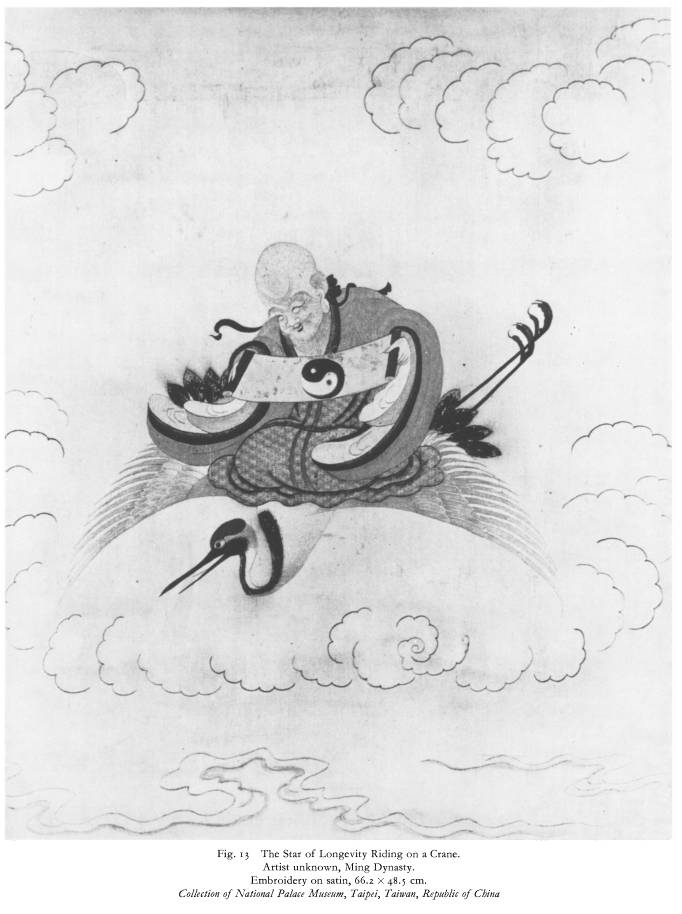
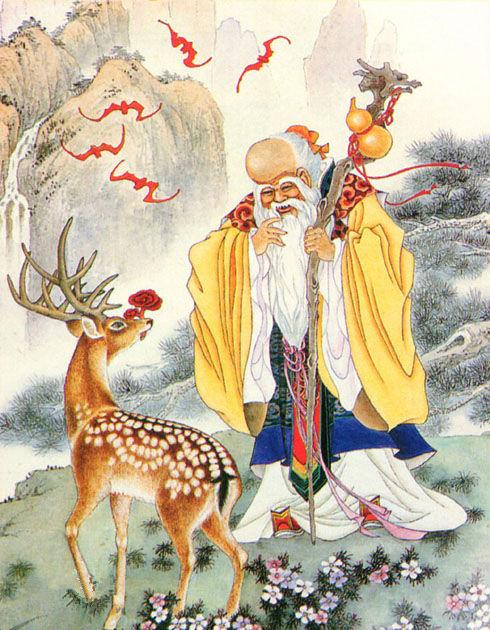
Related from Japan
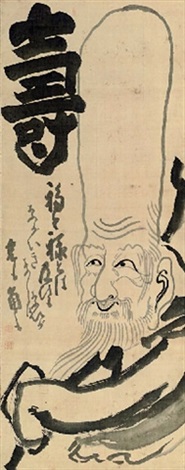
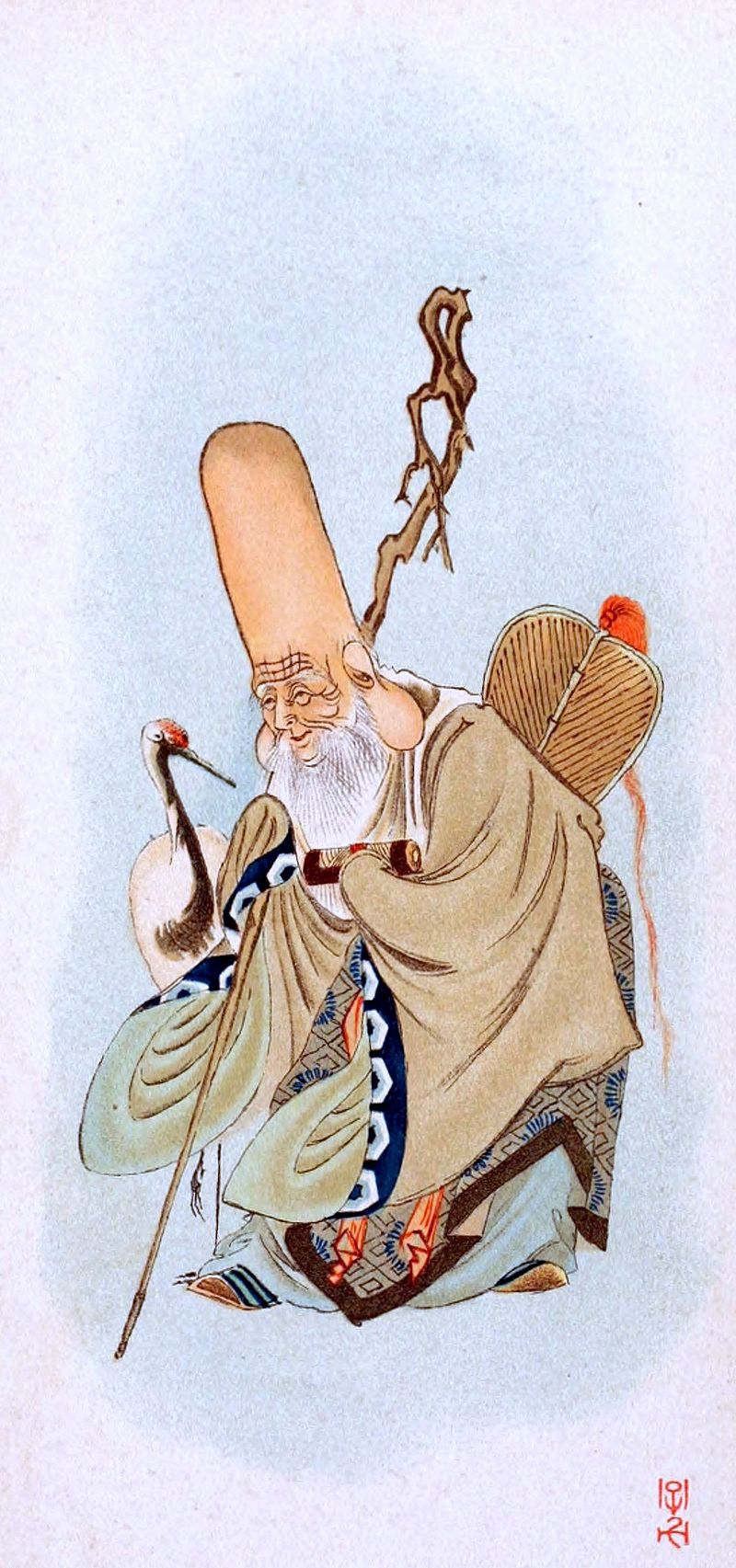
Fukurokuju (福禄寿) (from Japanese fuku, "happiness"; roku, "wealth"; and ju, "longevity") is one of the Seven Lucky Gods in Japanese mythology. Fukurokuju probably originated from an old Chinese tale about a mythical Chinese Taoist hermit sage.
Jurōjin (寿老人) is one of the Seven Gods of Fortune or Shichifukujin, according to Taoist beliefs. He is the God of longevity. Jurōjin originated from the Chinese Taoist god, the Old Man of the South Pole.

-
Recent Social Science from Taiwan
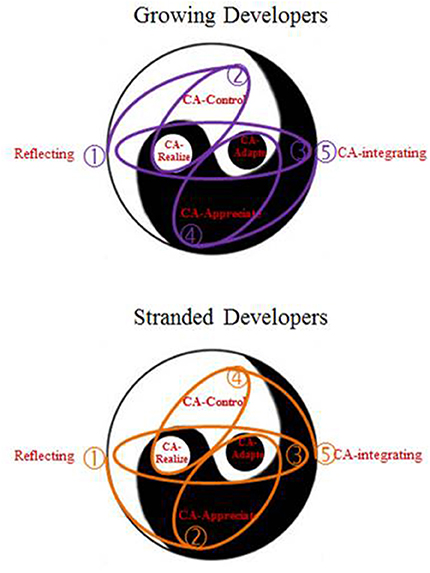
Virtue Existential Career Model: A Dialectic and Integrative Approach Echoing Eastern Philosophy - by Shu-Hui Liu, Jui-Ping Hung, Hsin-I Peng, Chia-Hui Chang, Yi-Jen Lu (2016)

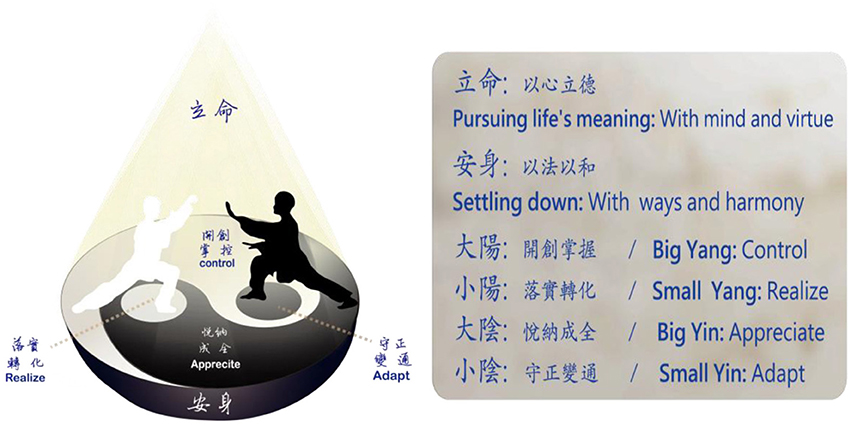
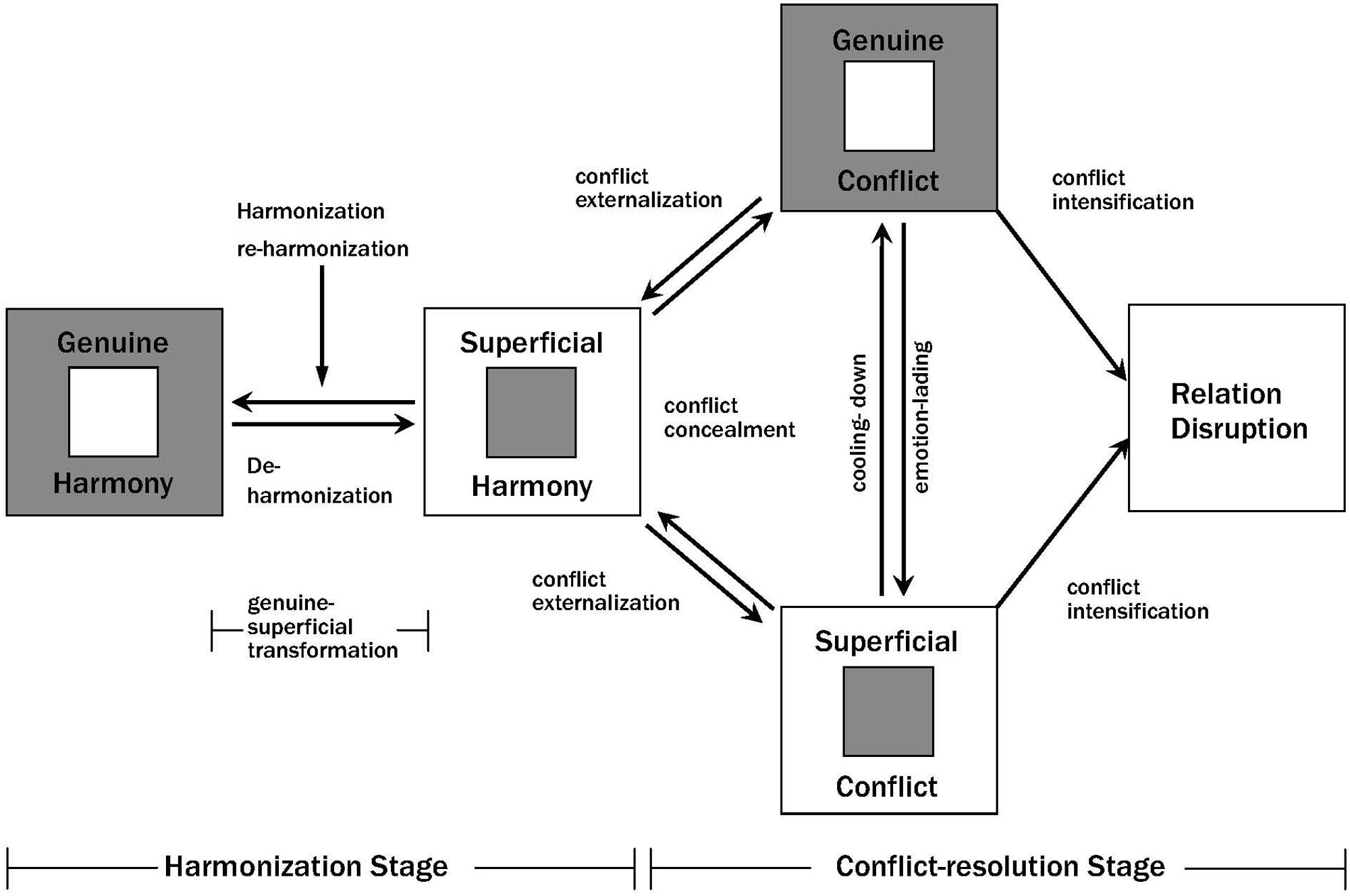
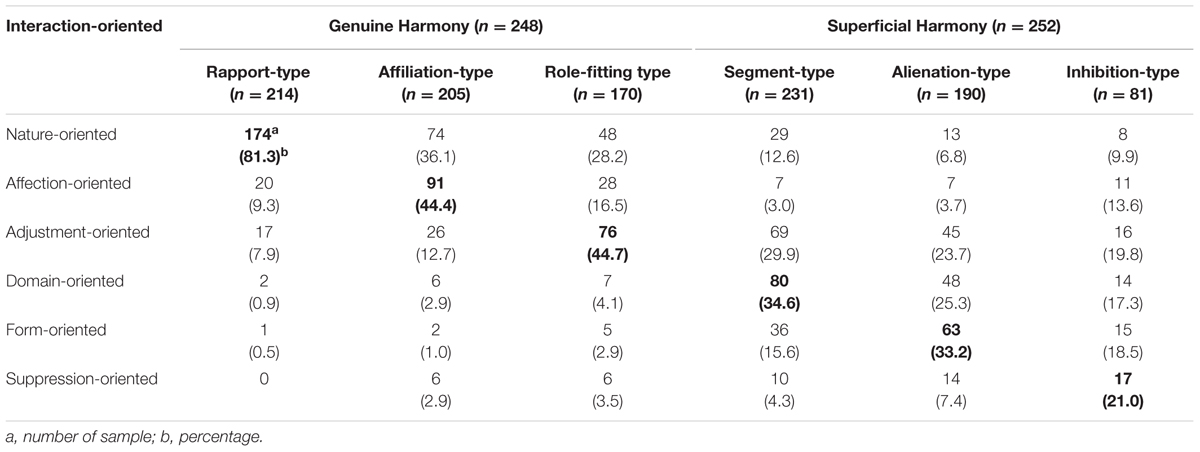
Interpersonal Harmony and Conflict for Chinese People: A Yin–Yang Perspective - by Li-Li Huang (2016)

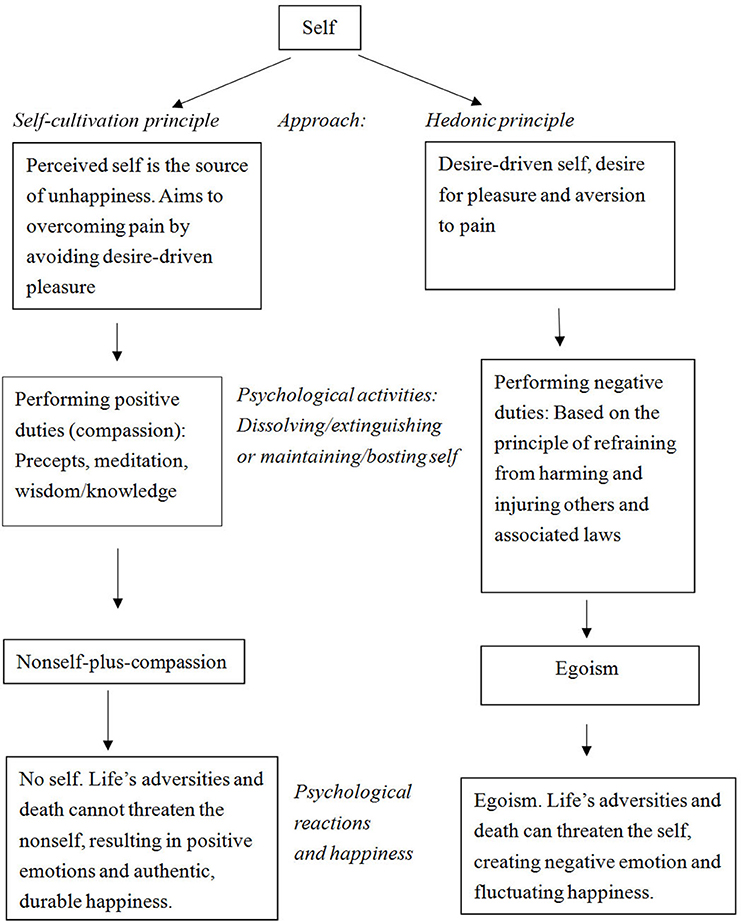
From Self to Nonself: The Nonself Theory - by Yung-Jong Shiah (2016)

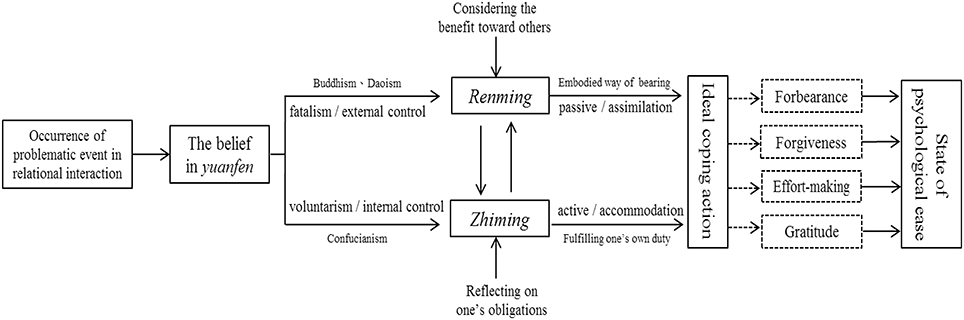
Serendipity in Relationship: A Tentative Theory of the Cognitive Process of Yuanfen and Its Psychological Constructs in Chinese Cultural Societies - by Hsin-Ping Hsu and Kwang-Kuo Hwang (2016)
Editorial: Eastern Philosophies and Psychology: Towards Psychology of Self-Cultivation - by Kwang-Kuo Hwang, Yung-Jong Shiah and Kin-Tung Yit (2017)
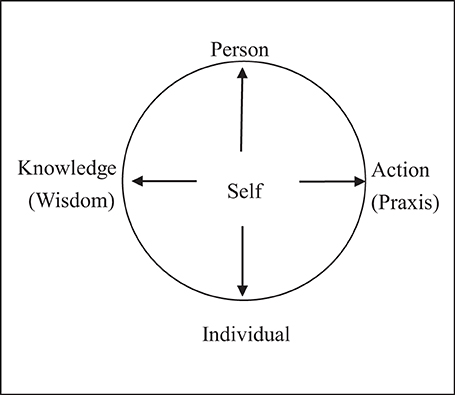
The Process of Self-Cultivation and the Mandala Model of the Self - by Meiyao Wu (2017)

-
This decade began just after a historic inflection point, with 51% of the world's population living in urban areas. From a report:
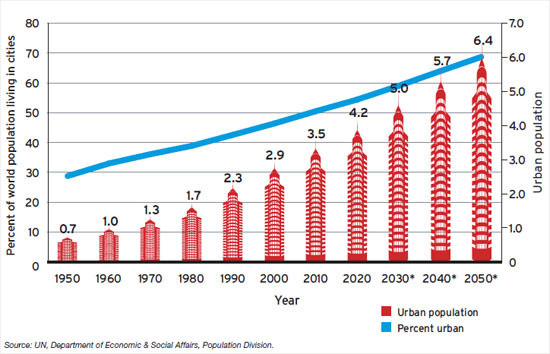
"The proportion of the world's population living in urban areas has continued to rise steadily, reaching 55% as of 2018. It's climbed faster in China, up from 48% to 59% -- meaning an additional 180 million people are living in Chinese cities. China now has 130 cities of at least 1 million people, more than the U.S. (45), European Union (36) and South America (46) combined. India, which won't become majority-urban until the 2040s, has 61 such cities. There are 63 in Africa. Nigeria just became majority-urban in 2018, but urbanization in the West African giant will grow even more dramatically over the next decade. Nigeria's 10 largest cities are home to 32 million people as of 2018, with 13 million of those in Lagos. The UN projects their combined populations will rise to 50 million by 2030 -- just over a decade away -- by which time Lagos will have over 20 million residents."
Related: 68% of the world population projected to live in urban areas by 2050, says UN
-
The Five Gentlemen With One Eye (目五先生)
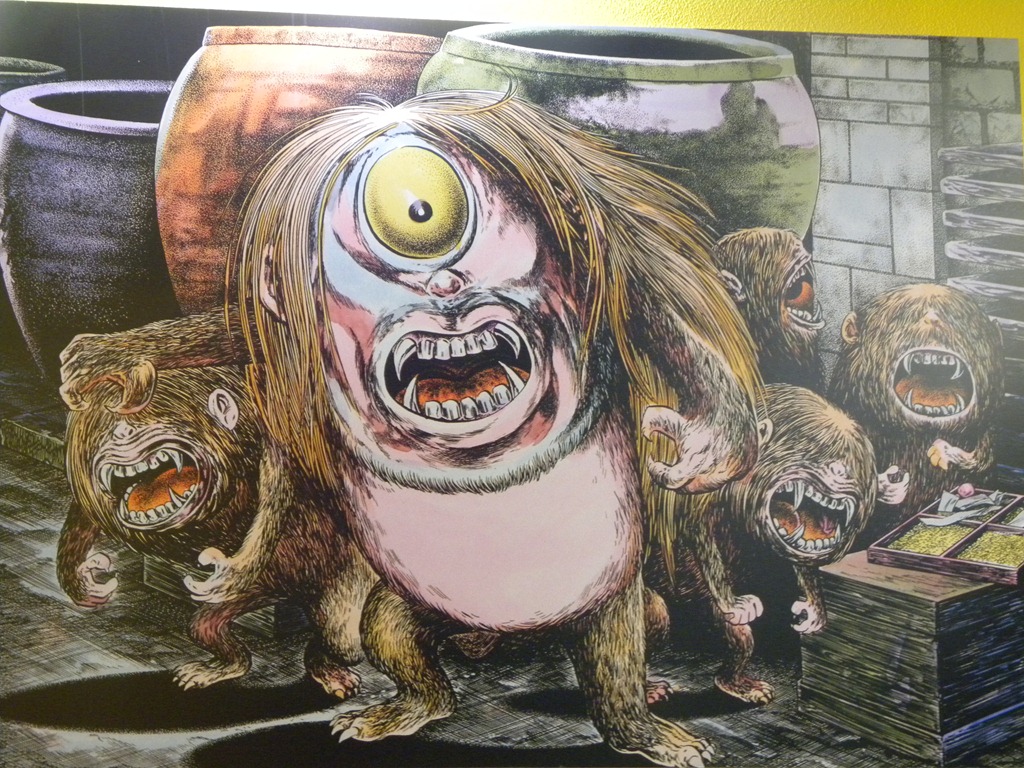
"Today we will talk about a kind of ghost in Chinese mythology called The Five Gentlemen with One Eye 一目五先生 from the book What The Master Would Not Discuss 子不语, a collection of supernatural stories compiled by Yuan Mei 袁枚 during the Qing dynasty 清朝 published in 1788."
-
Chinese traditional medicine: an introductory overview - by Harriet Beinfield, Efrem Korngold (1995) (PDF)
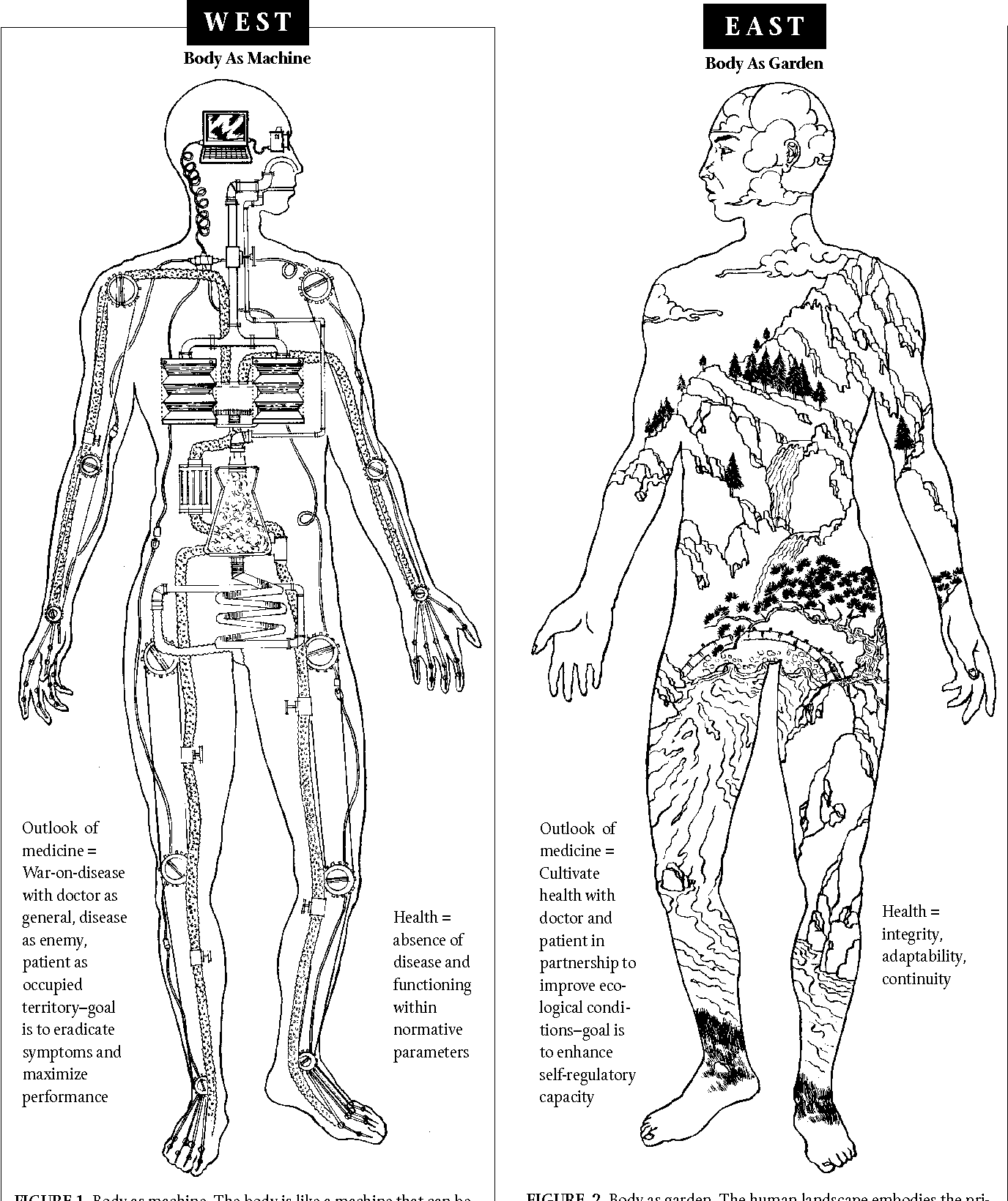
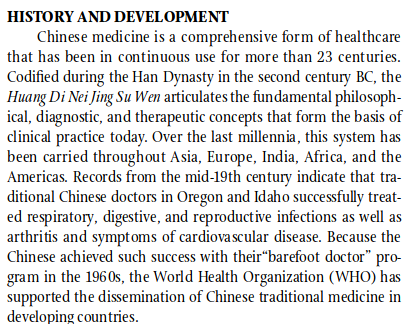
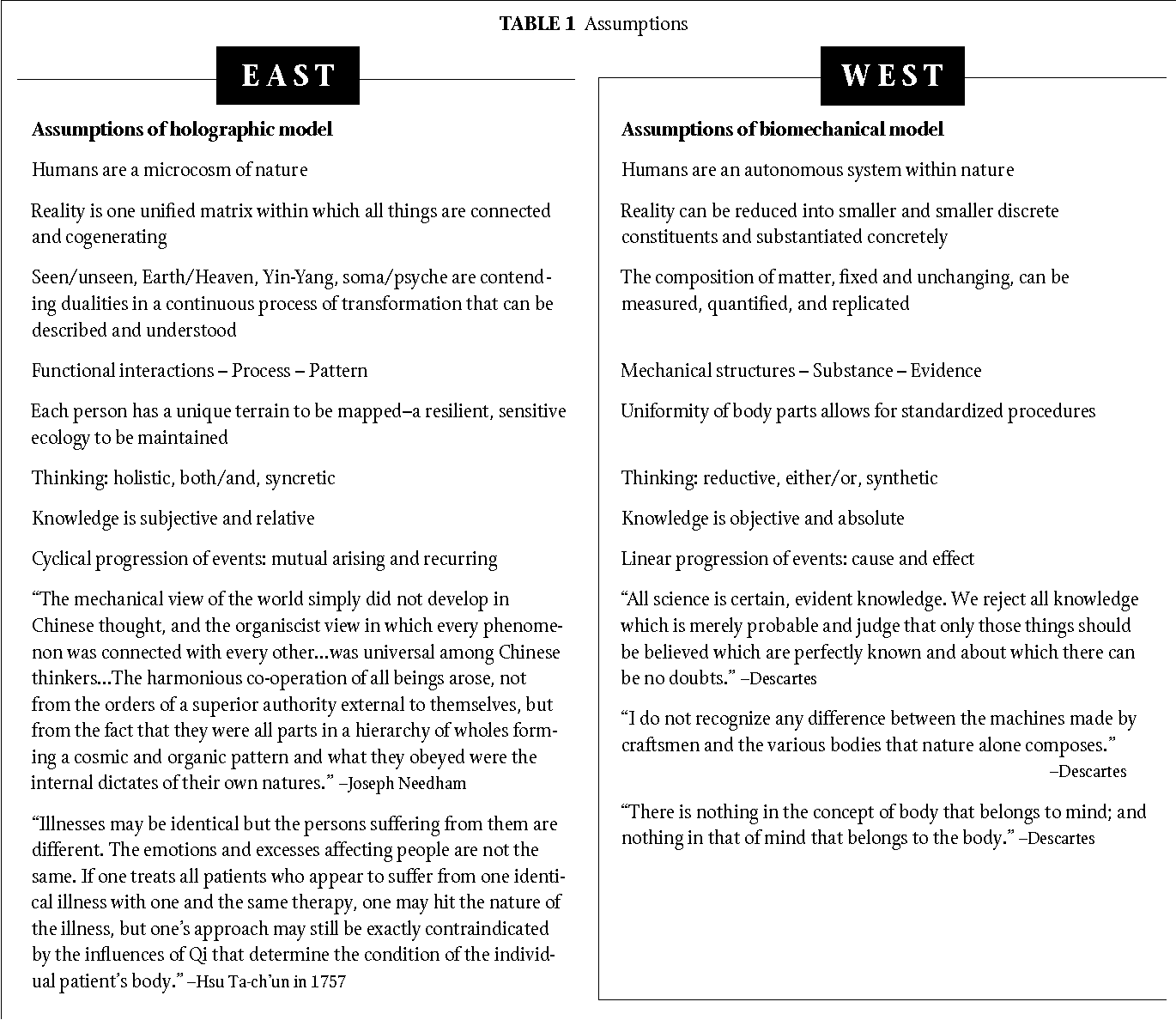
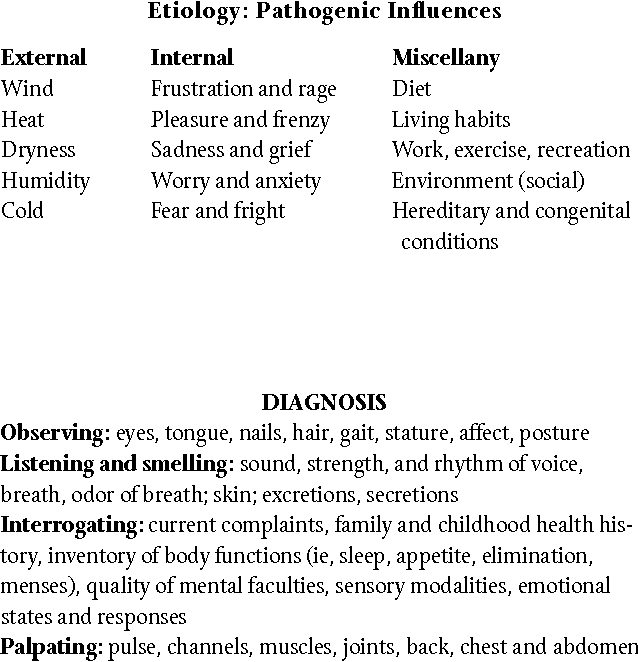
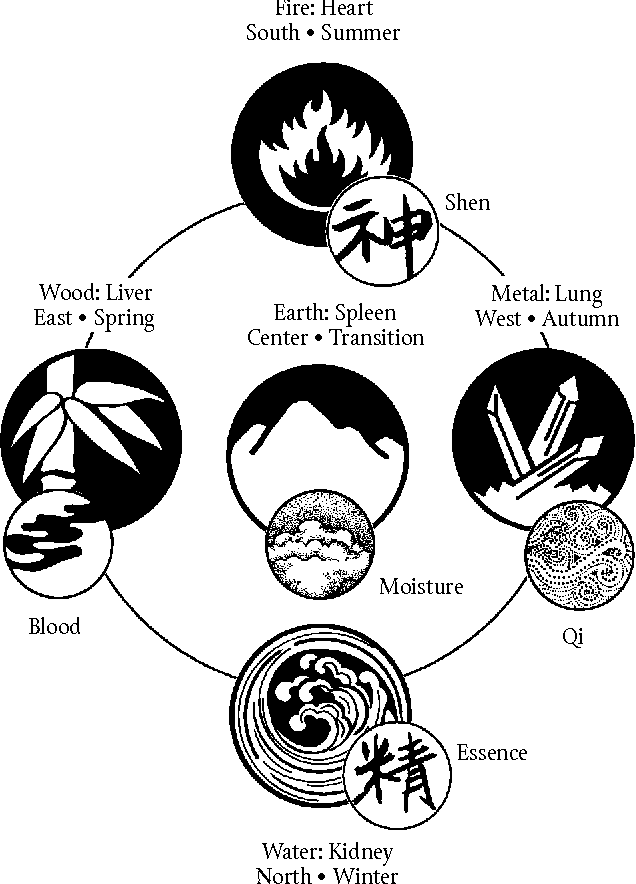
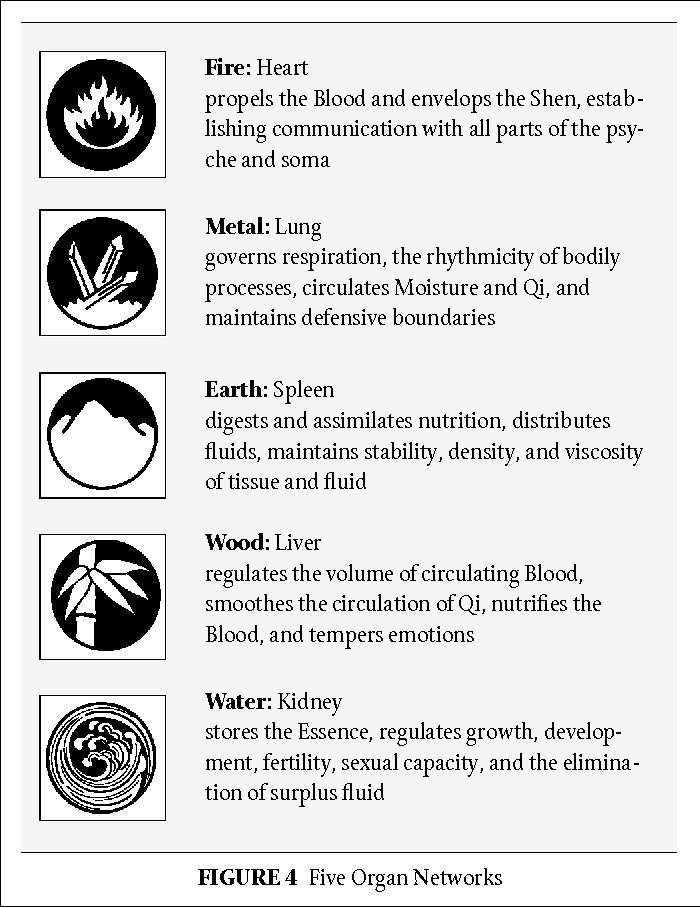
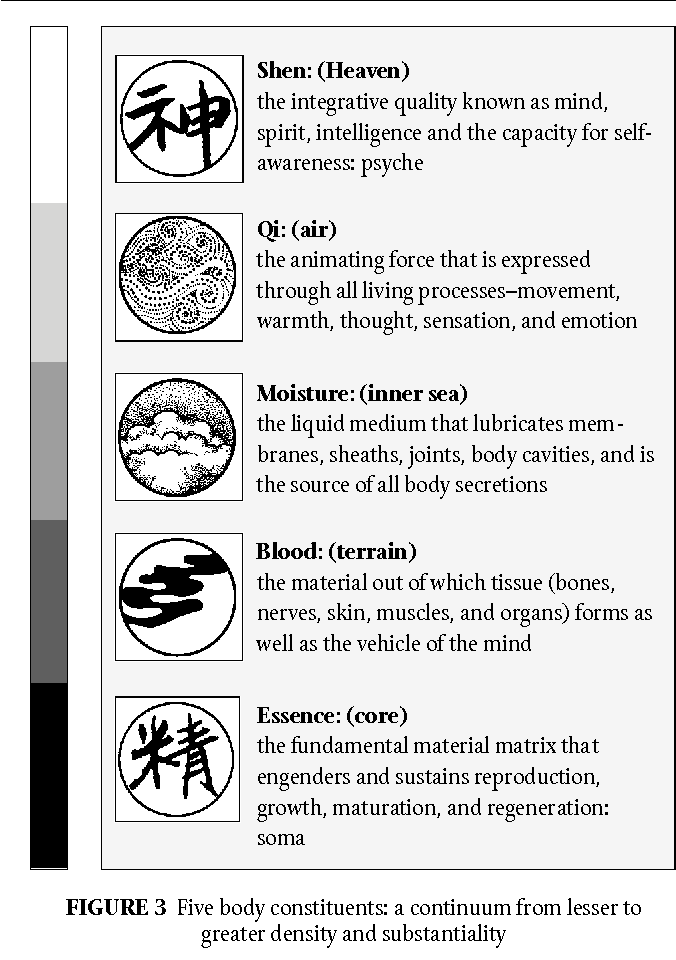
#Health #Qi #China #Philosophy -
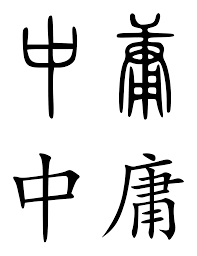
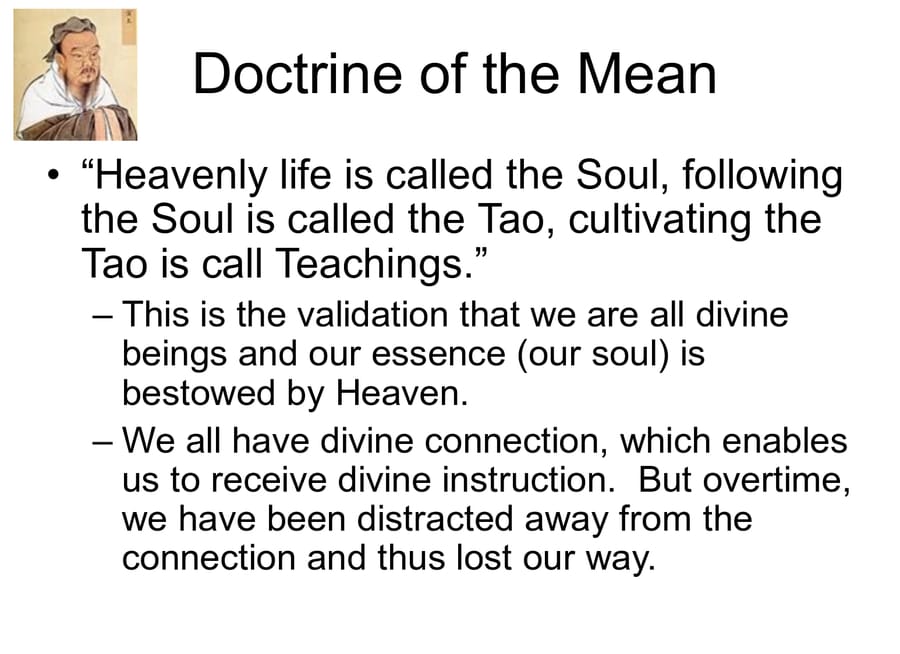
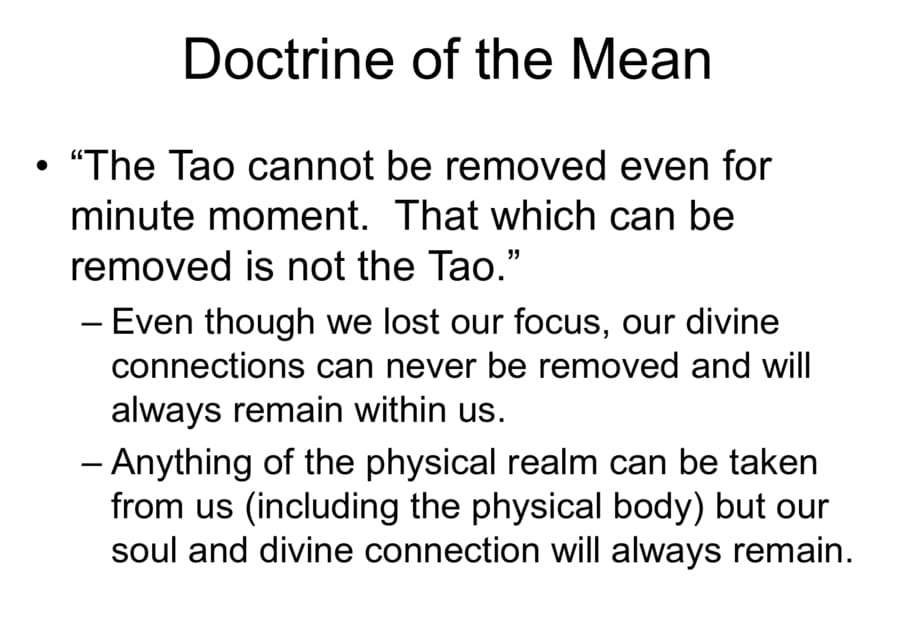
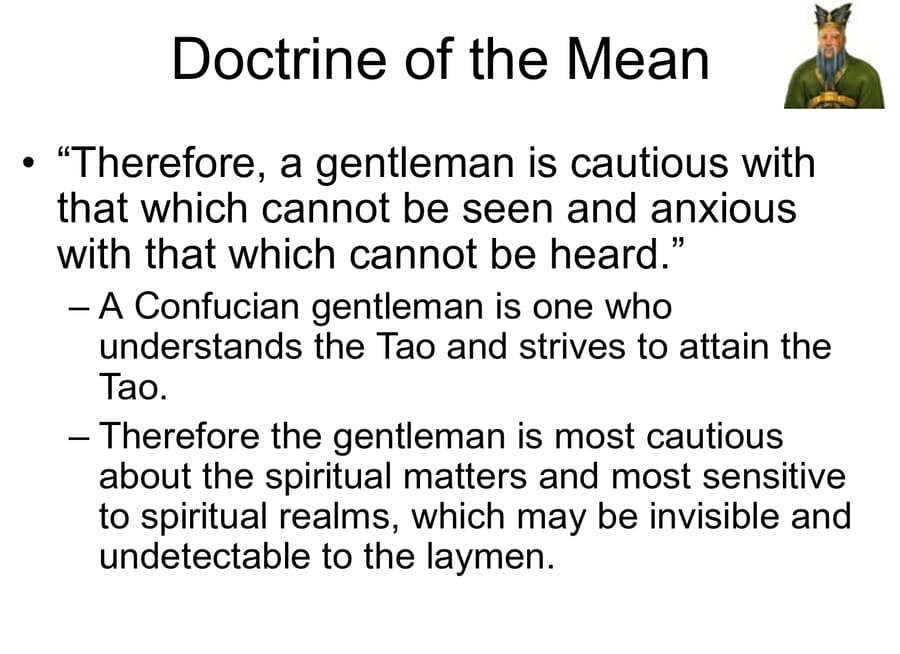
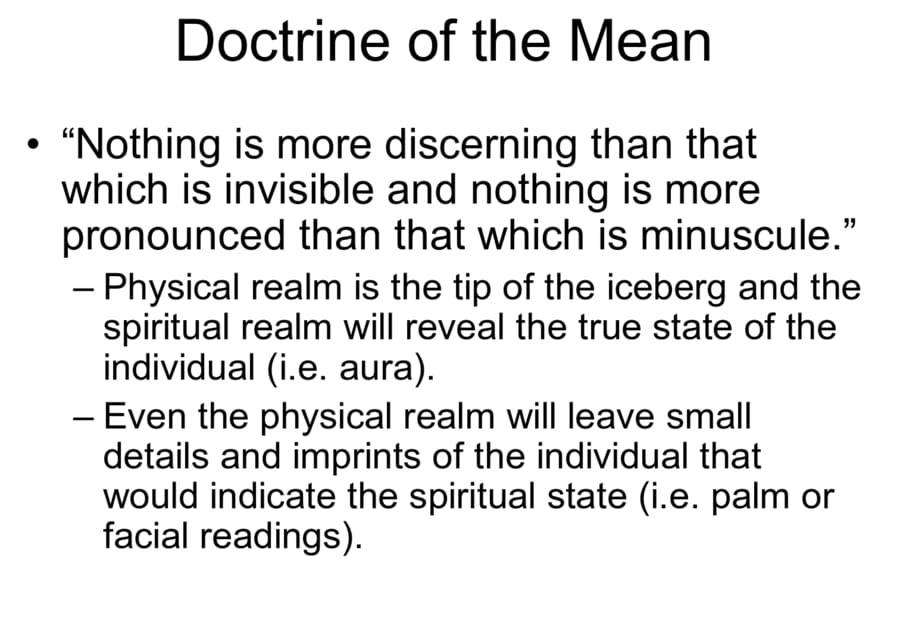
Zhongyong (中庸) (Doctrine of the Mean)
The Doctrine of the Mean is both a doctrine of Confucianism and also the title of one of the Four Books of Confucian philosophy.
The mean is also described as the 'unwobbling pivot' or zhongyong. Zhong means bent neither one way or another, and yong represents unchanging. Zhongyong represents moderation, rectitude, objectivity, sincerity, honesty and propriety. The guiding principle is that one should never act in excess.
The Doctrine of the Mean is divided into 3 parts: The Axis (Metaphysics), The Process (Politics) and The Perfect Word (Ethics). It instructed three Guidelines: Self-watchfulness, Leniency, Sincerity.
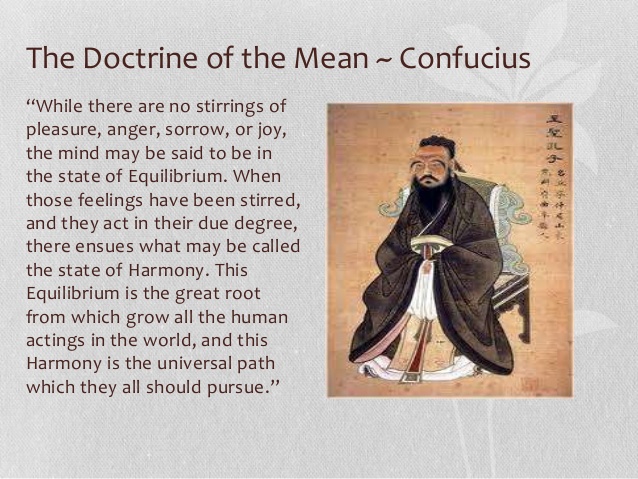
From "The Doctrine of the Mean" by followcn
Slide from "Doctrine of the Mean" - by Adela Ilene Underwood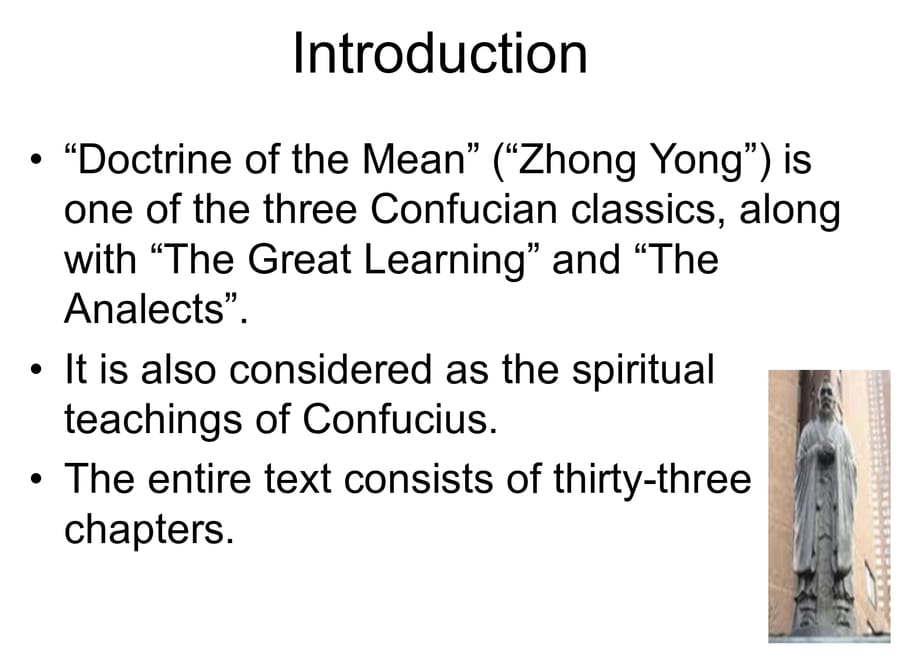
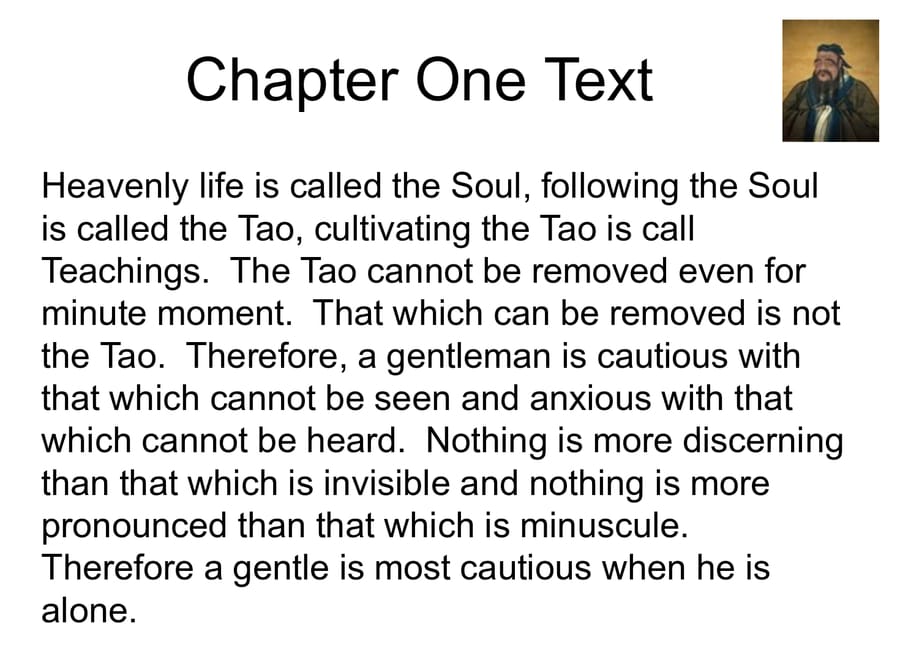
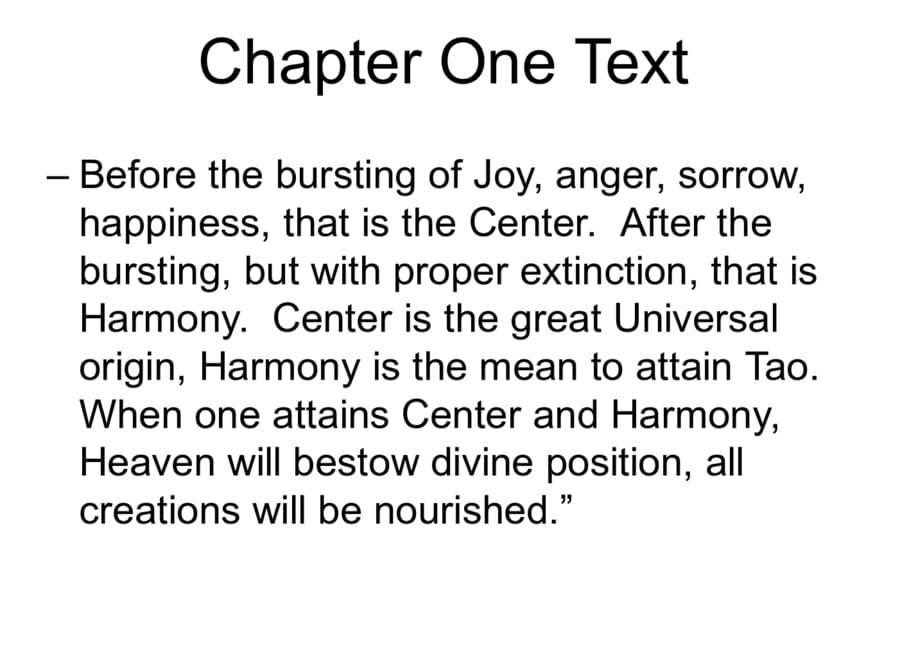
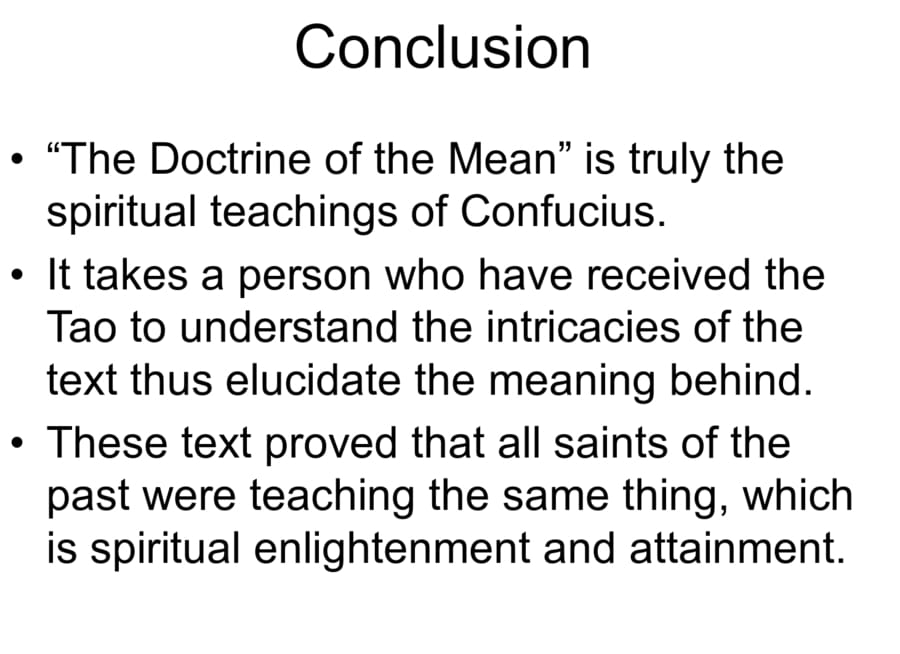
Disputes
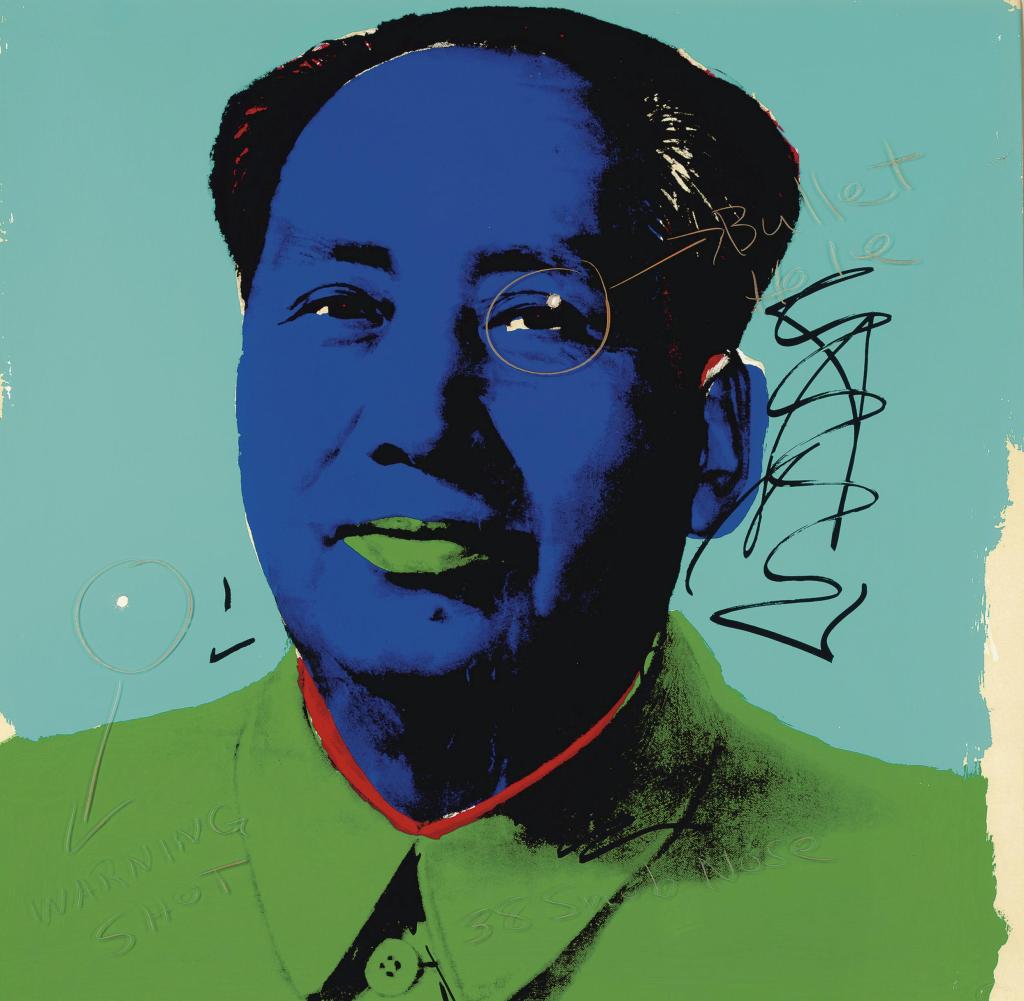
Mao Zedong, the founding father of the People's Republic of China, viewed Doctrine of the Mean as a mutation of eclecticism, which draws upon multiple theories/styles/ideas to gain complementary insights into a subject.
According to Mao's comments, Doctrine of the Mean is an eclecticism which simultaneously opposes the abolishment of exploitation. According to Mao, it failed to realize that something deserves absolute negation, and in compromise, Doctrine of the Mean prevented China from progress.
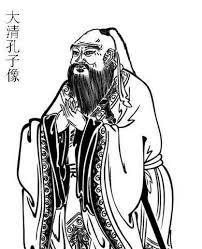
In his comment, Mao said that Doctrine of the Mean also goes against dialectics as it stops qualitative change by emphasizing maintaining balance and harmony. Lu Xun, a leading figure of modern Chinese literature, saw Doctrine of the Mean as major contributing factor of the abject ethnic stereotype in modern China, believing it prevented reform from happening."
-
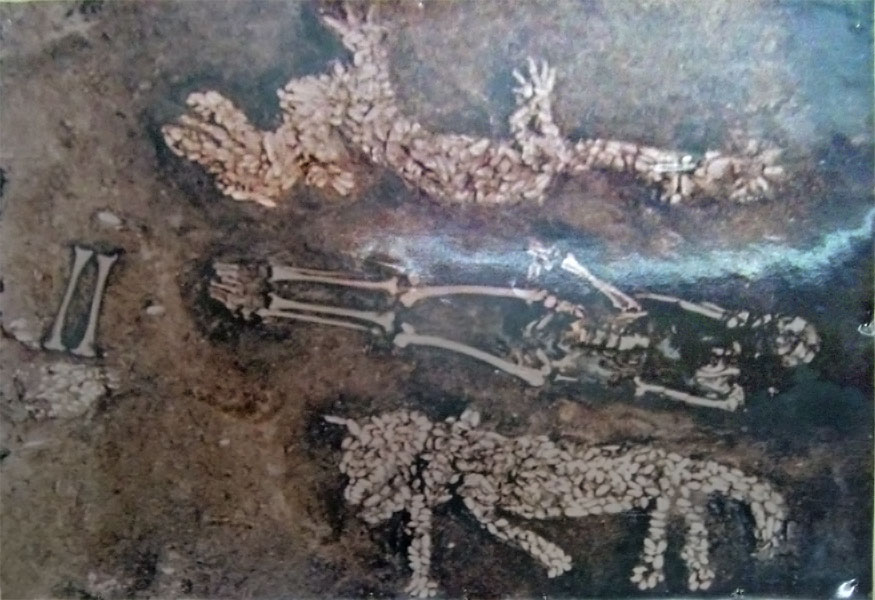
Photo from "Handbook of Chinese Mythology" - by Yang Lihui and An Deming. Archaeological evidence from the Xishuipo excavation "The figure of the dragon appeared within the modern boundaries of China at least 6,000 years ago. In 1987, at Xishuipo Cemetary Ruins in Puyang County, Henan Province, figures of a dragon and a tiger were unearthed in a tomb. Both of them were made from numerous shells. The dragon measured 1.78 meters (nearly 6 feet) in length and 0.67 (2.2 feet) in height. Dating back to over 6,400 years, it is presently the earliest image of a dragon uncovered in Chinese archeology. "
Found via "Dragons as Water Spirits" > found via "Dragon & Tiger - The Hun & Po Souls in Theory & Practice". #History #Science #Religion #Magic #Culture #China
-
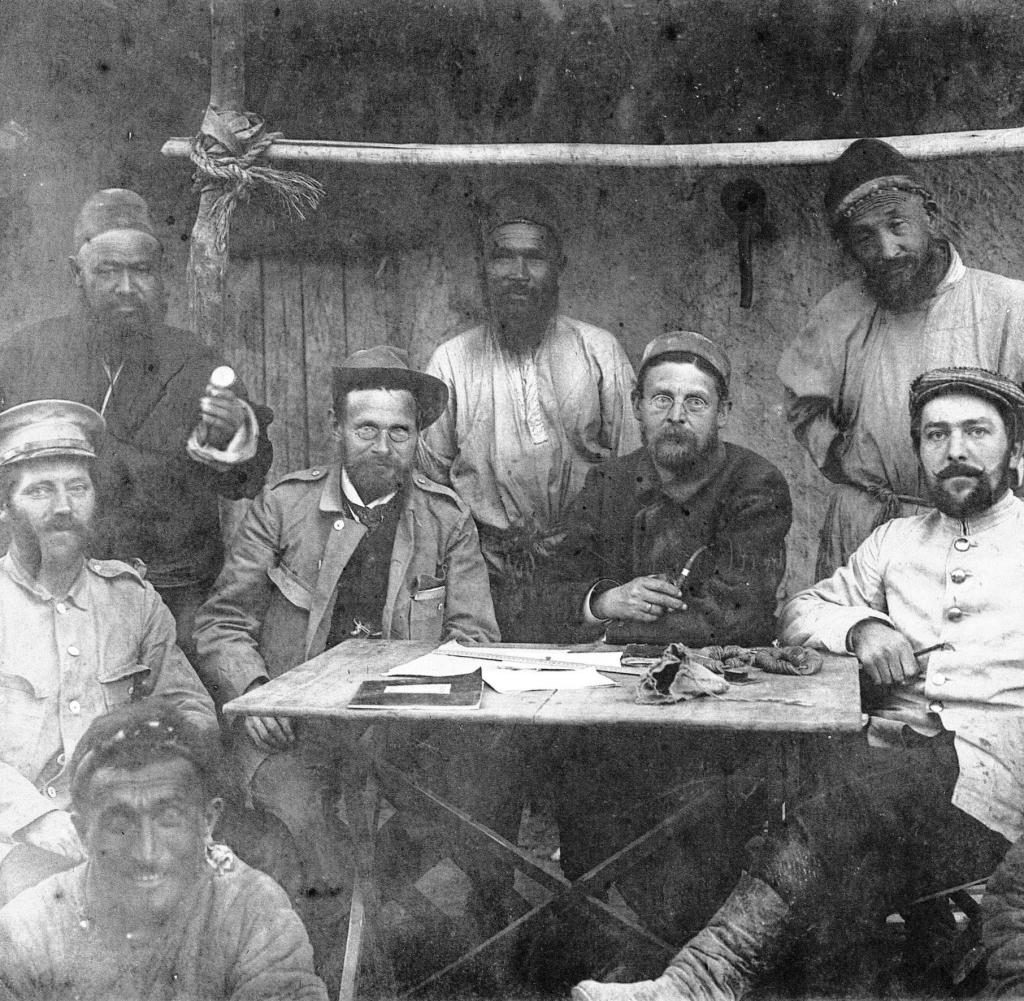
Photo from the book "Mythology of Buddhism in Tibet and Mongolia" (1900) - by Albert Grünwedel (1856 - 1935) (more photos)
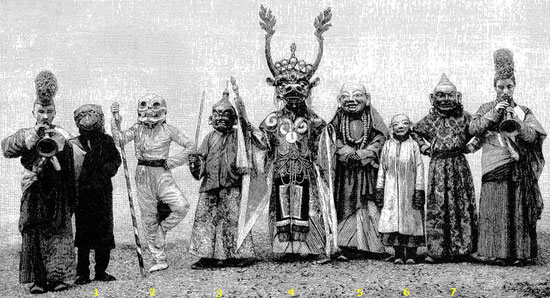
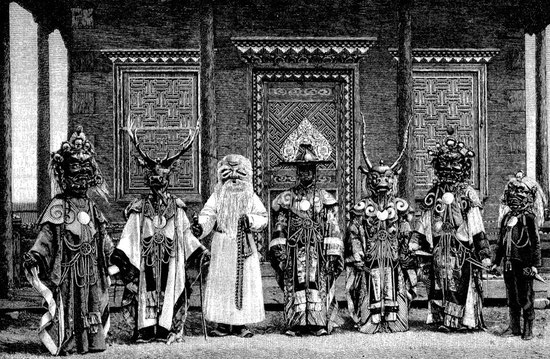

The story of the author: "Wie drei Deutsche eine ganze Zivilisation entdeckten" (DE only)
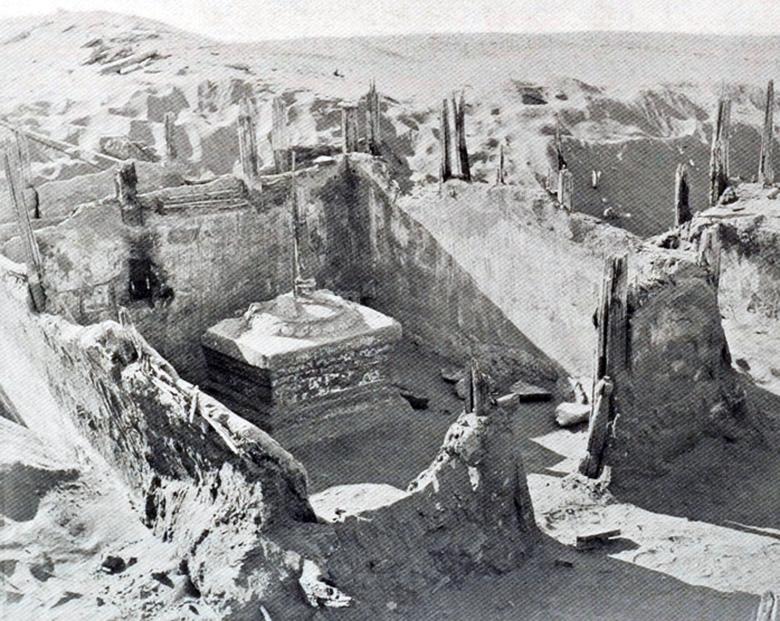
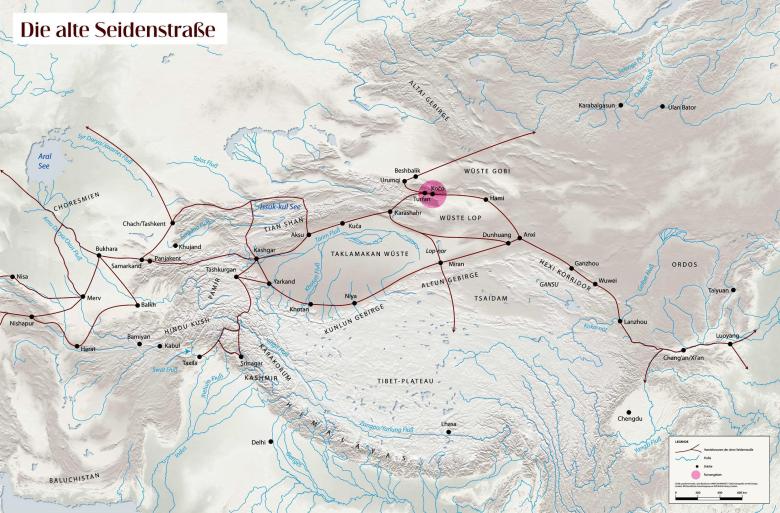
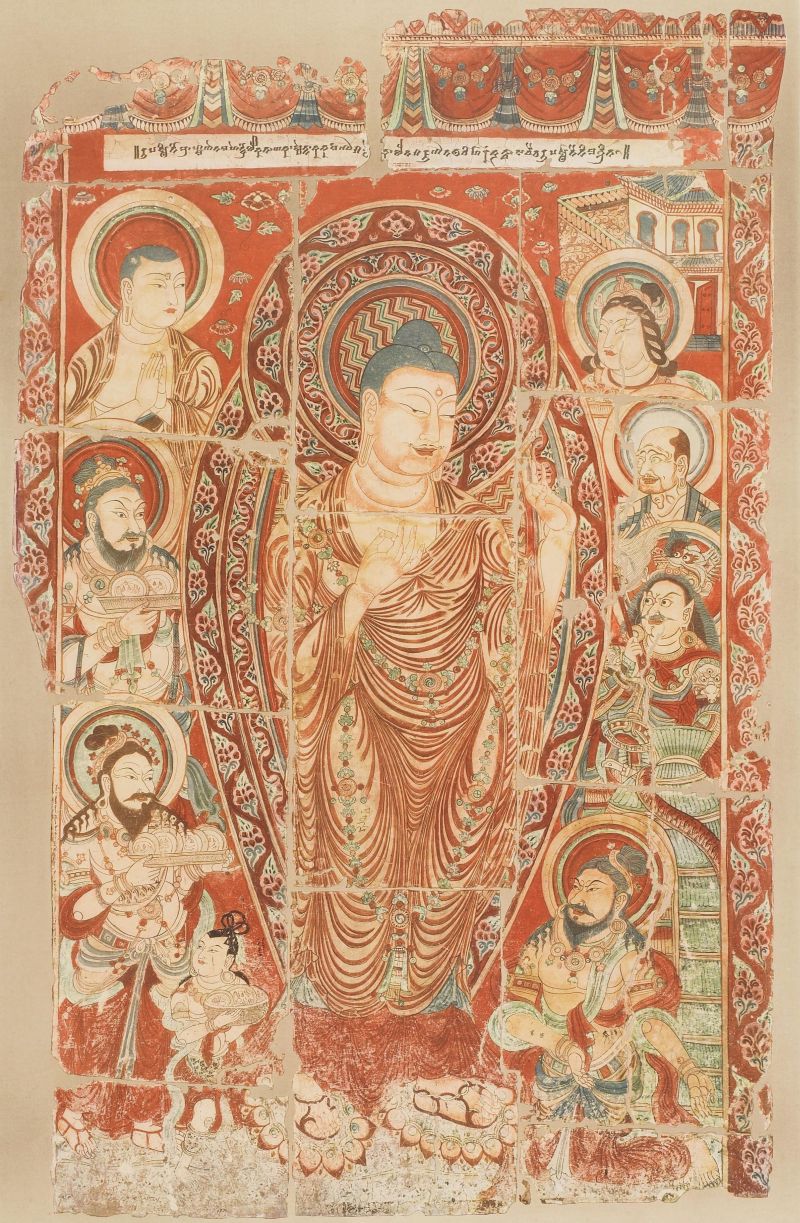
Art from Gaochang (Xinjiang, China), published by Albert von Le Coq (1860 - 1930) (via)


-
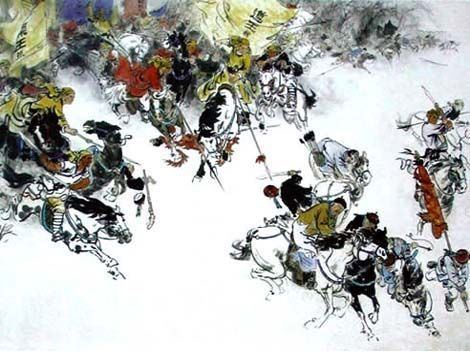
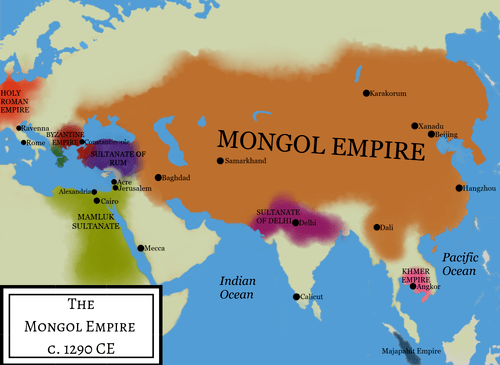
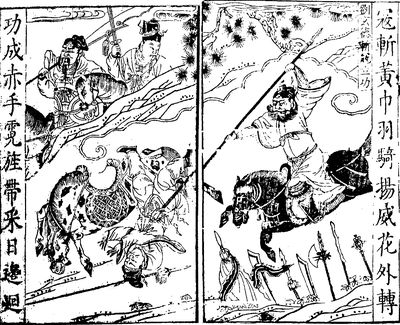
Red Turban Rebellion was an uprising influenced by White Lotus members that, between 1351 and 1368, targeted the ruling Mongol-led Yuan dynasty, eventually leading to the overthrow of Mongol rule in China.
"Decline of agriculture, plague & cold weather hit China, spurring the armed rebellion. In Hebei, 9 out of 10 were killed by the Black Death when Toghon Temür was enthroned in 1333. 2 out of 3 people in China had died of the plague by 1351."
-
Chinese banker who embezzled US$108 million handed suspended death sentence
SCMP: "Ex-Chairman of Hengfeng Bank, Jiang Xiyun was convicted for moving 754 million yuan ($108 million) worth of Hangfeng shares to his personal account between 2008 & 2013. He also took bribes of more than 60m yuan together with another bank executive. Jiang had ordered others to destroy records for over 600 million yuan of transactions. Hengfeng Bank received about $14 billion bailout package. A reprieved death sentence may be commuted to a life sentence if the person shows good behavior within the allotted period." (alt: bloomberg)
#Comment: When is the last time one of the (many) super corrupt and criminal bankers in western countries had to go to jail or face justice? Probably zero times in the past 40 years?
Chinese scientist He Jiankui involved in gene-edited babies jailed for 3 years
SCMP: "Chinese scientist He Jiankui, who created the world’s first “gene-edited” babies, has been sentenced to three years in prison and fined 3 million yuan (US$430,000). He, along with two others named Zhang Renli and Qin Jinzhou, was convicted by a Shenzhen court on Monday on charges related to the “illegally carrying out human embryo gene-editing intended for reproduction”, which led to the births of three genetically edited babies, according to state news agency Xinhua."
#Comment: What message does jailing a single scientists ("bad sheep") send, in a time when Synthetic Life ("Internet of Life" as one Chinese initiative is called) is entering the hot period?
-
Li Ching-Yuen (李清雲) - Qigong Master who lived a very long life
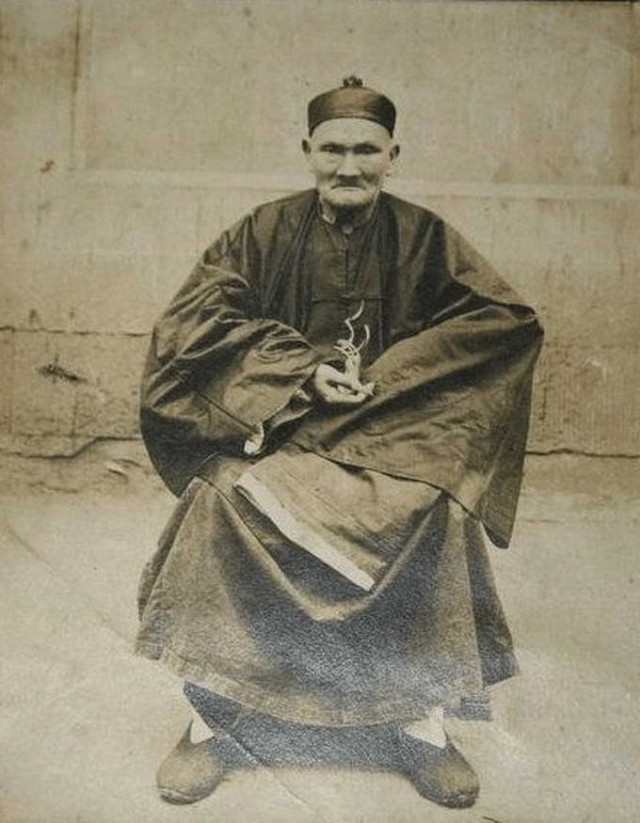
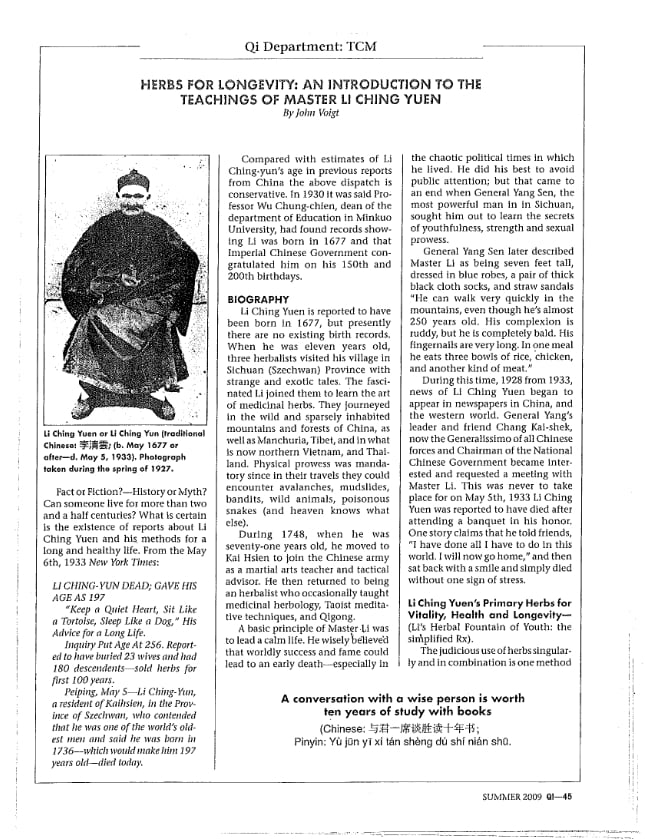
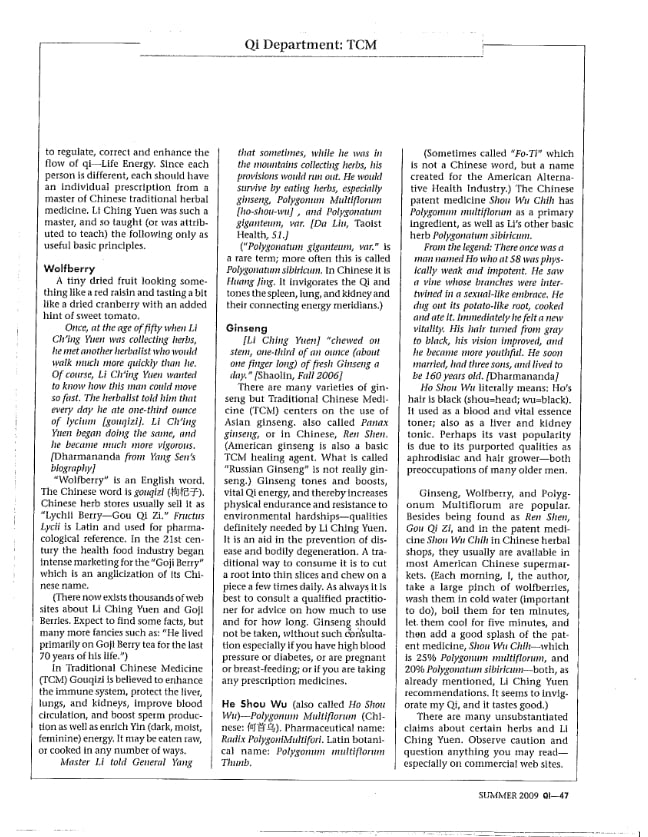
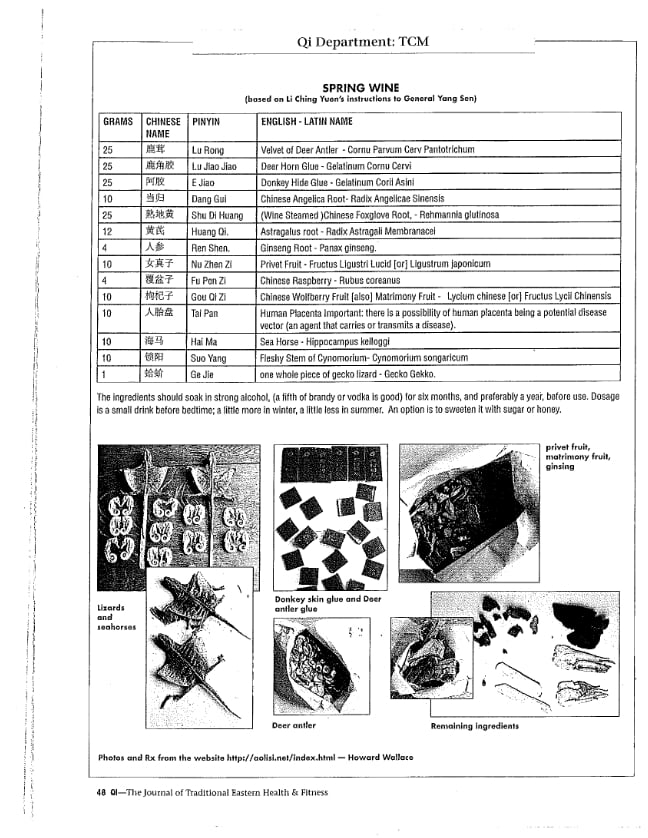
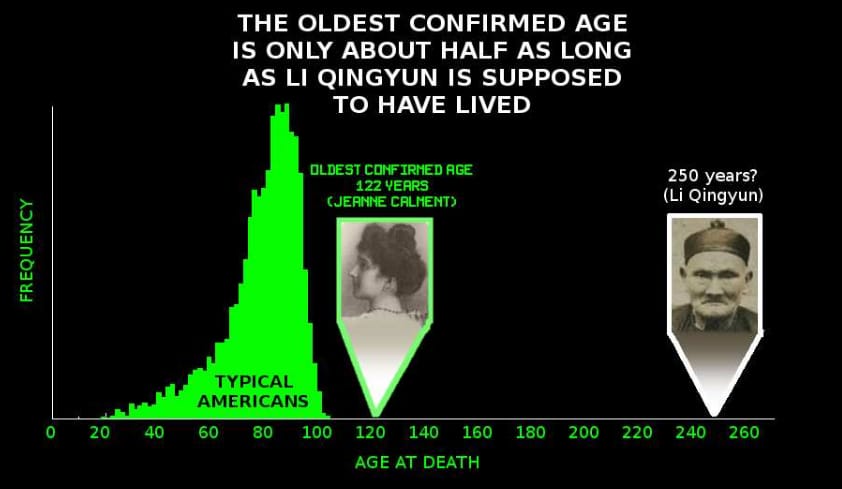
Li Ching-Yuen (simplified Chinese: 李清云; traditional Chinese: 李清雲) (1677 or 1736 – 6 May 1933) was a Chinese herbalist, martial artist and tactical advisor, known for his supposed extreme longevity. He claimed to have been born in 1736, while disputed records suggest 1677, implying an age at death of 197 or 256 years. Li Ching-Yuen spent most of his life in the mountains and was skilled in Qigong. He worked as an herbalist, selling lingzhi, goji berry, wild ginseng, he shou wu and gotu kola along with other Chinese herbs, and lived off a diet of these herbs and rice wine. He died from natural causes on 6 May 1933 in Kai Xian, Sichuan, China and was survived by his 24th wife, a woman of 60 years. Li supposedly produced over 200 descendants during his life span, surviving 23 wives.
After his death, General Yang Sen wrote a report about him, A Factual Account of the 250 Year-Old Good-Luck Man (一个250岁长寿老人的真实记载), in which he described Li's appearance: "He has good eyesight and a brisk stride; Li stands seven feet tall, has very long fingernails, and a ruddy complexion." General Yang became his disciple, practicing his teaching until the end of his life. In 1927 he invited him to his residence in Wanxian, Sichuan. The Tai Chi Chuan Master T. T. Liang (Liang Tung Tsai) learned from General Yang the practice of the "Eight Brocade Qigong". His student Stuart Alve Olson wrote in 2002 the book "Qigong Teachings of a Taoist Immortal: The Eight Essential Exercises of Master Li Ching-Yun", taking General Yang's report as reference. Some praticants of Jiulong Baguazhang, also known as Nine Dragon Eight Diagram Palm, claims that it was conceived by Li Ching-Yuen.
Longevity
Whereas Li Ching-Yuen himself claimed to have been born in 1736, Wu Chung-chieh, a professor of the Chengdu University, asserted that Li was born in 1677; according to a 1930 New York Times article, Wu discovered Imperial Chinese government records from 1827 congratulating Li on his 150th birthday, and further documents later congratulating him on his 200th birthday in 1877. However, gerontological researchers have viewed the age claim with extreme skepticism; the frequency of invalid age claims increases with the claimed age, rising from 65% of claims to ages 110–111 being invalid, to 98% of claims to being 115, with a 100% rate for claims of 120+ years.
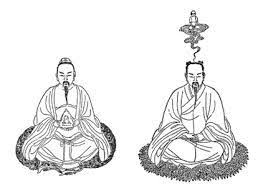
One of Li's disciples, the Taijiquan Master Da Liu, told of his master's story: when 130 years old Master Li encountered in the mountains an older hermit, over 500 years old, who taught him Baguazhang and a set of Qigong with breathing instructions, movements training coordinated with specific sounds, and dietary recommendations. Da Liu reports that his master said that his longevity "is due to the fact that he performed the exercises every day – regularly, correctly, and with sincerity – for 120 years."
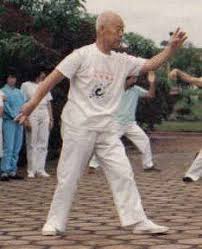
Master Liu Pai Lin (劉百齡) The Taoist Master Liu Pai Lin (劉百齡), who lived in São Paulo, Brazil from 1975 until 2000, had in his classroom another photograph of Master Li Ching Yuen unknown to the West. In this photo his face is clearly visible, as are his long and curled fingernails. Master Liu had met him personally in China, and considered him as one of his Masters. He used to say that Master Li answered to him that the fundamental taoist practice is to learn to keep the “Emptiness” (Wuji). Master Liu’s son, Master Liu Chih Ming, teaches the 12 Silks Qigong in CEMETRAC, as transmitted by Master Li.
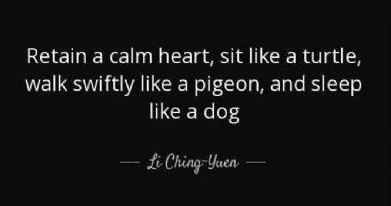
The article "Tortoise-Pigeon-Dog", from the 15 May 1933 issue of Time reports on his history, and includes Li's answer to the secret of a long life:
- Keep a quiet heart
- Sit like a tortoise
- Walk sprightly like a pigeon
- Sleep like a dog
Following from "The Legend of Li Qingyun Meets Scientific Life Span Experiments":
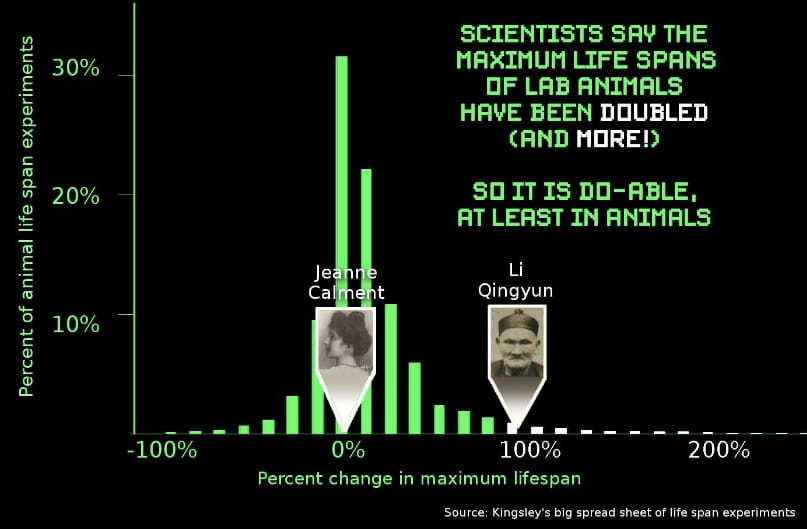
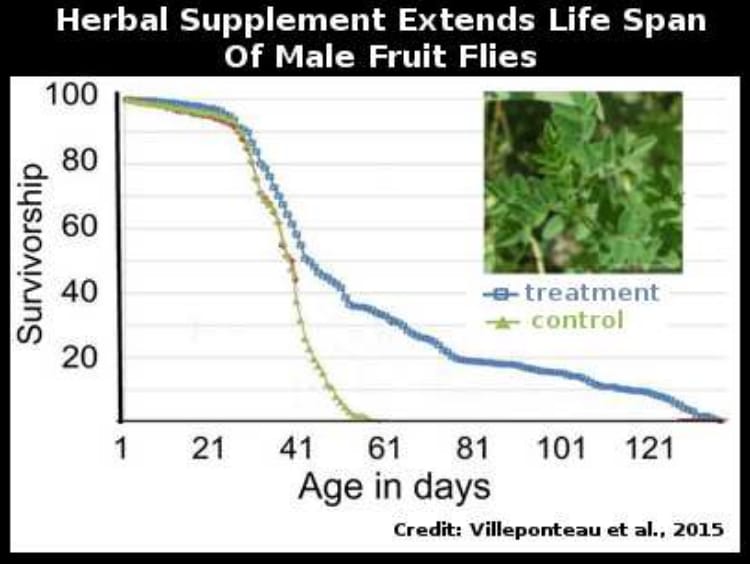
- Li Qingyun advised against feeling too happy
- Li Qingyun advised against drinking wine
- Li Qingyun meditated
- Li Qingyun ate rice
- Li Qingyun ate herbs
- Li Qingyun had plenty more tips for living longer.They included: Diet, exercise, sleep, religion, education, relaxing, living in remote areas, and occasionally going hungry.
Books:
- Qigong - The secret of youth - Da Mo’s Muscle/Tendon Changing and Marrow/Brain Washing Classics - by Dr. Yang, Jwing-Ming
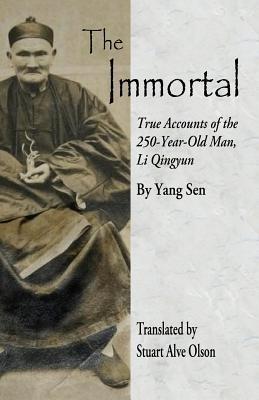
- The Immortal: True Accounts of the 250-Year-Old Man, Li Qingyun - by Yang Sen, Stuart Alve Olson
- The Jade Emperor's Mind Seal Classic: The Taoist Guide to Health, Longevity, and Immortality - by Stuart Alve Olson
- Blog post on Li Qingyun in Chinese
Related